What a Legend!
Play What a Legend!
What a Legend! Screenshots


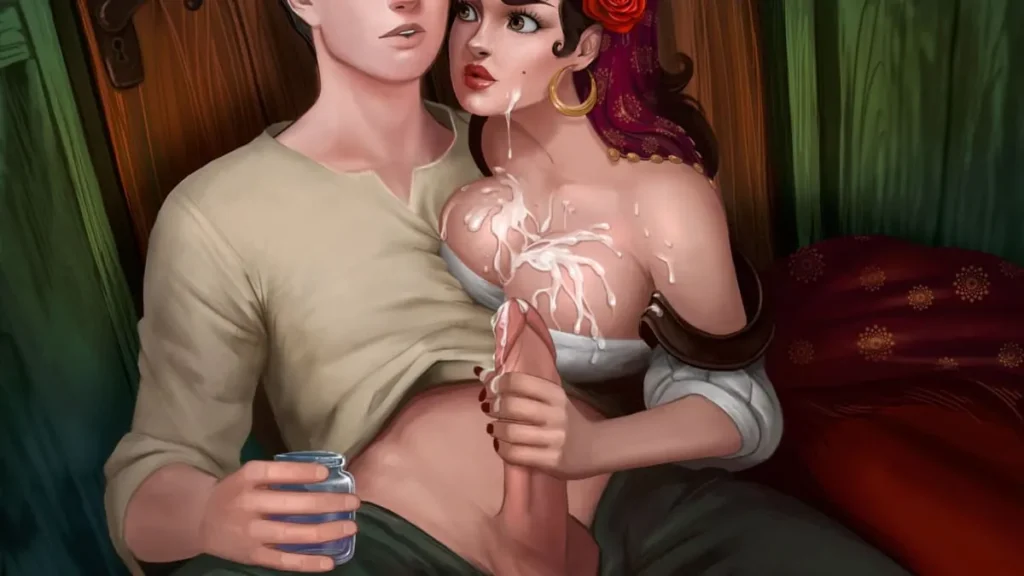

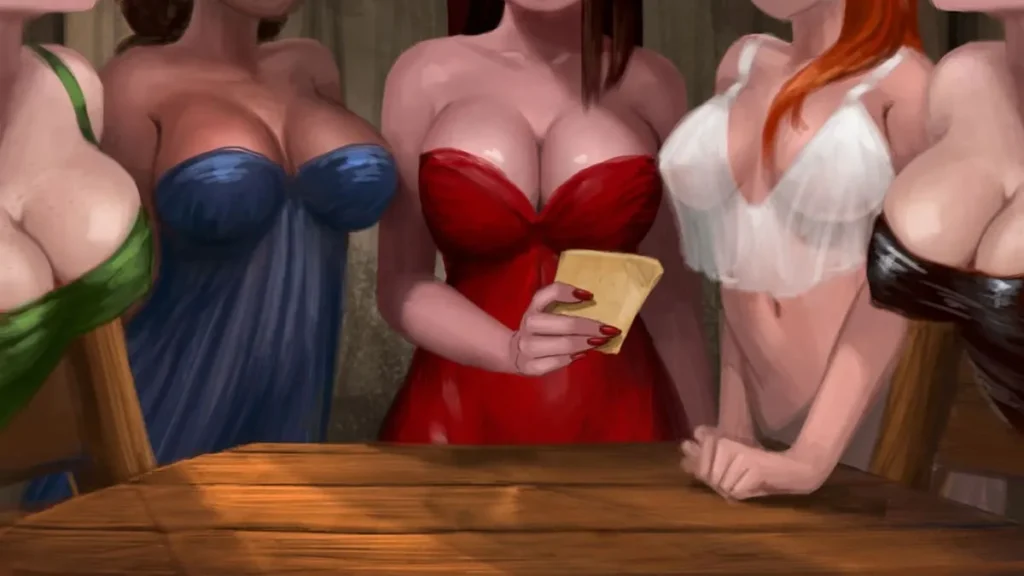

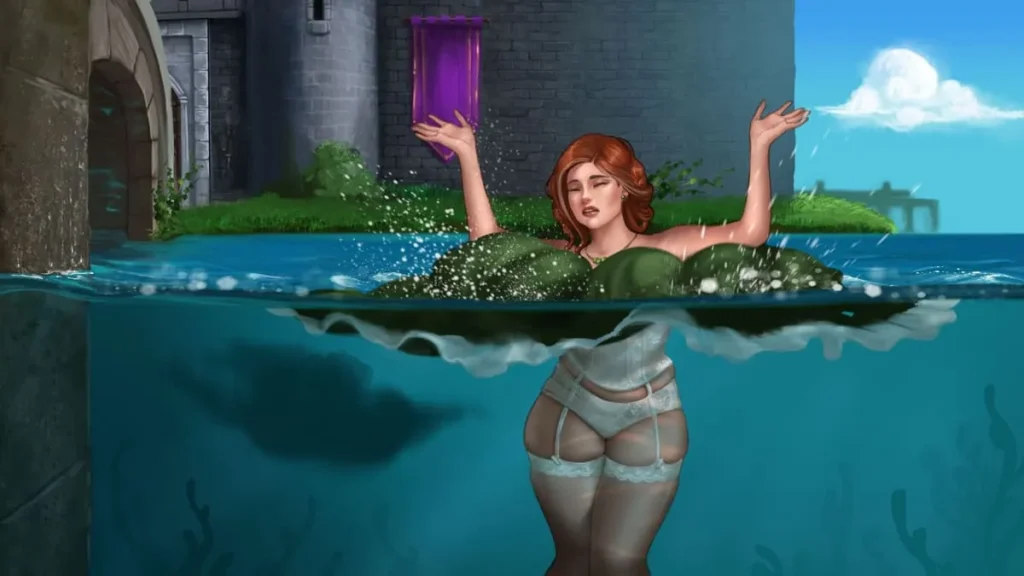
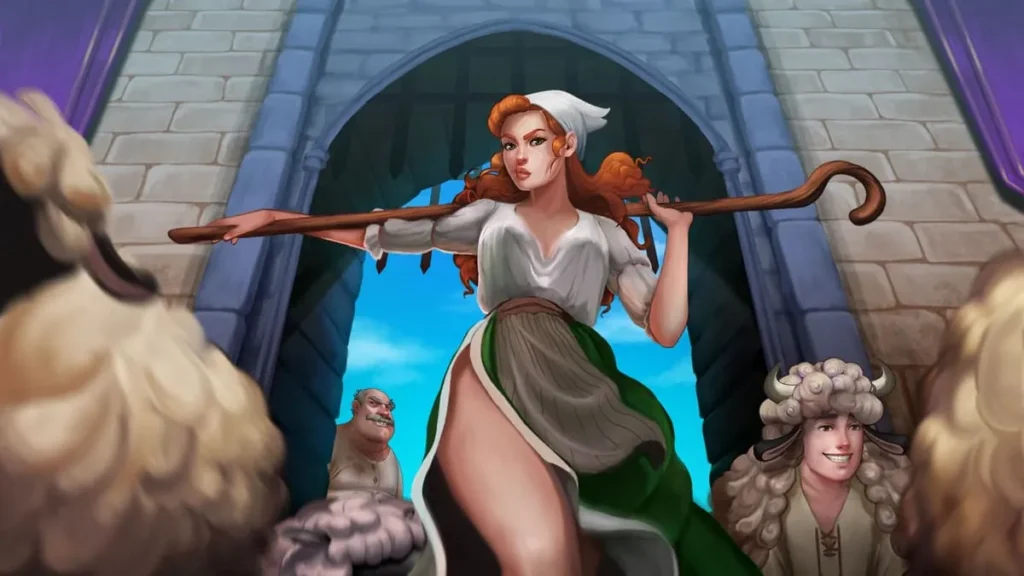
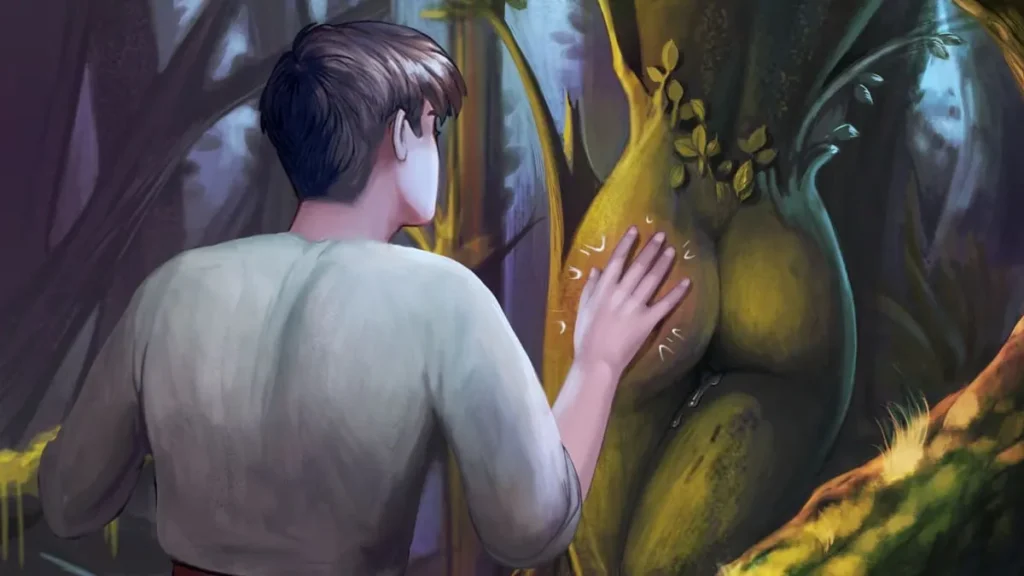
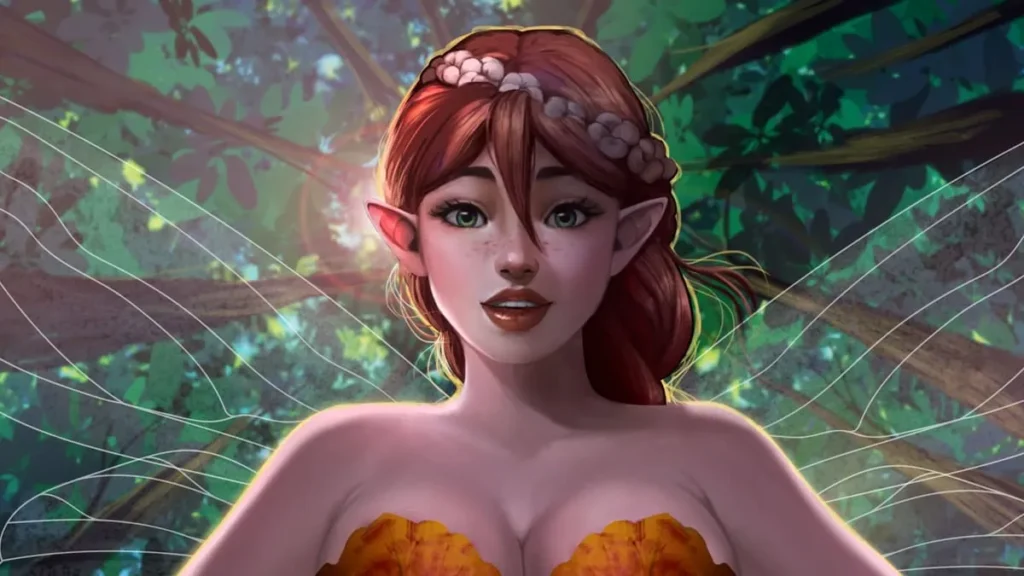
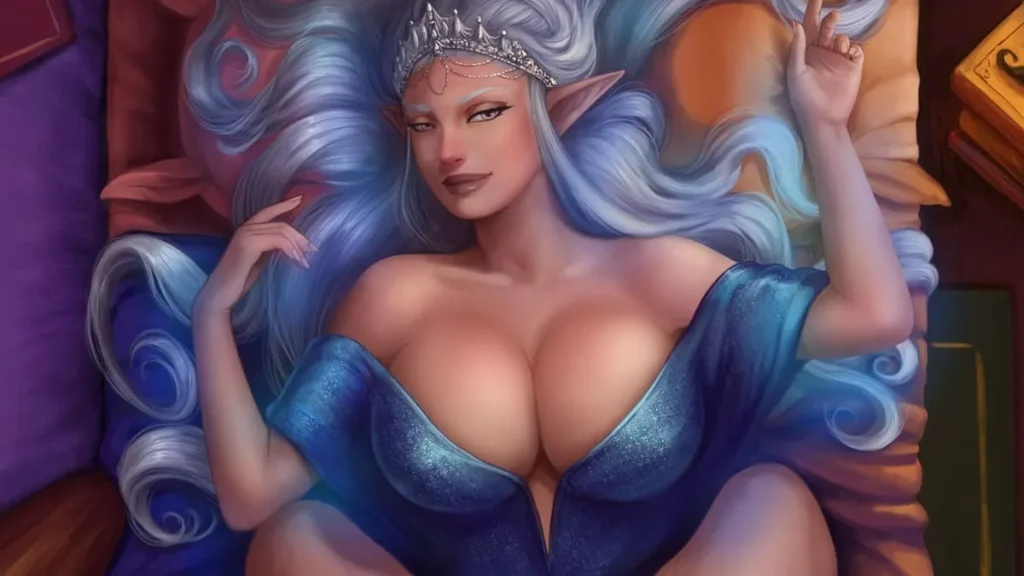
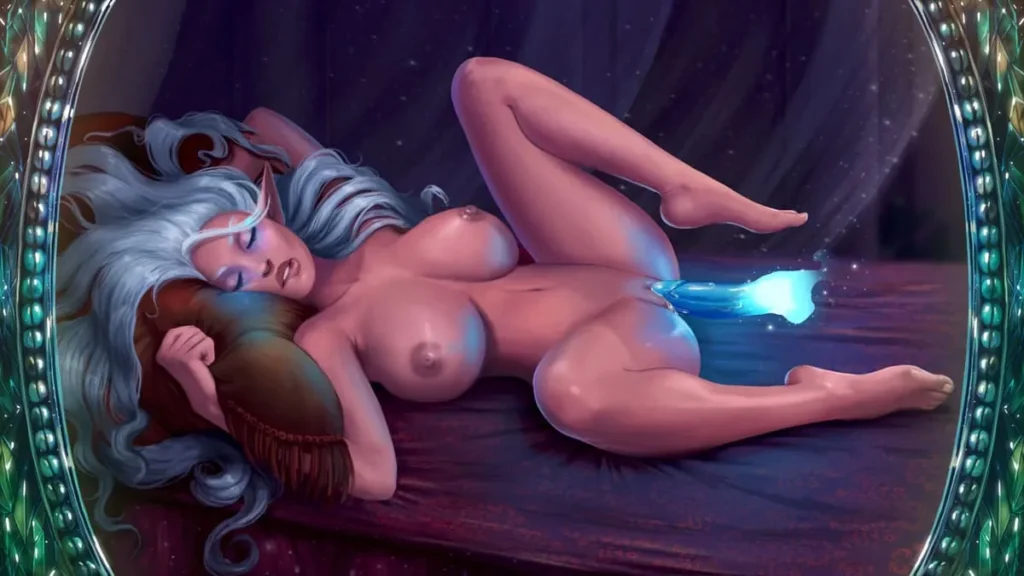
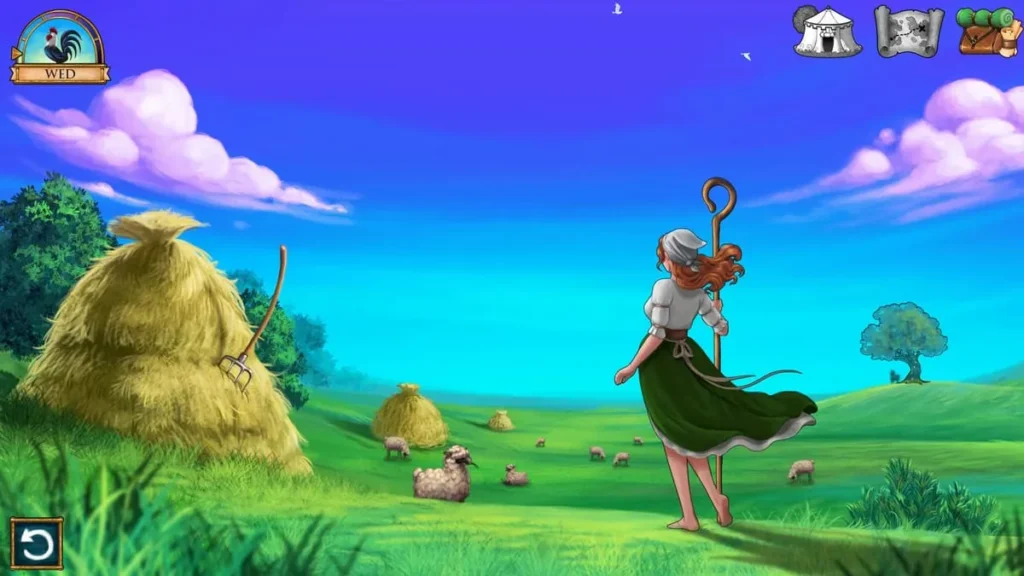
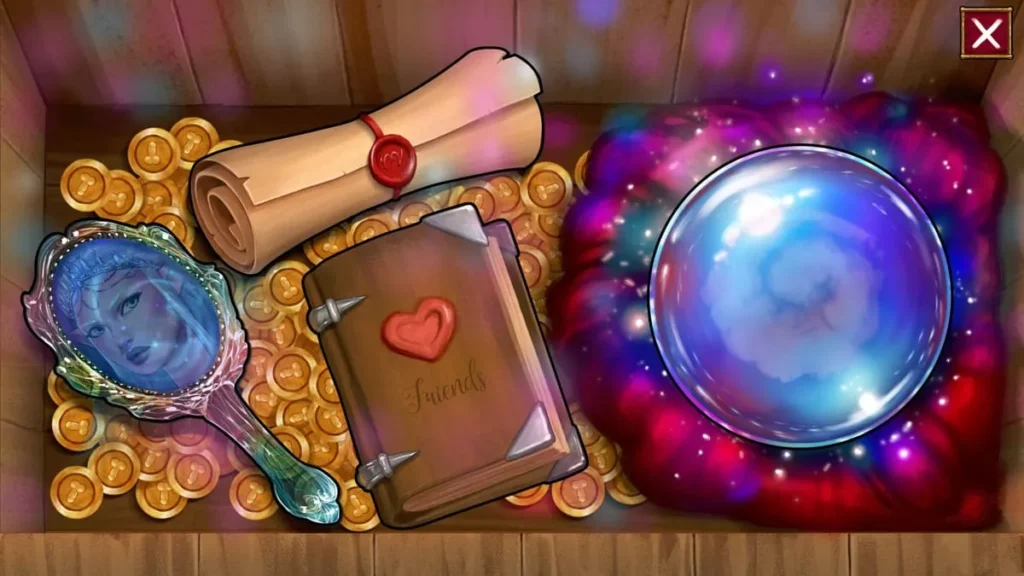
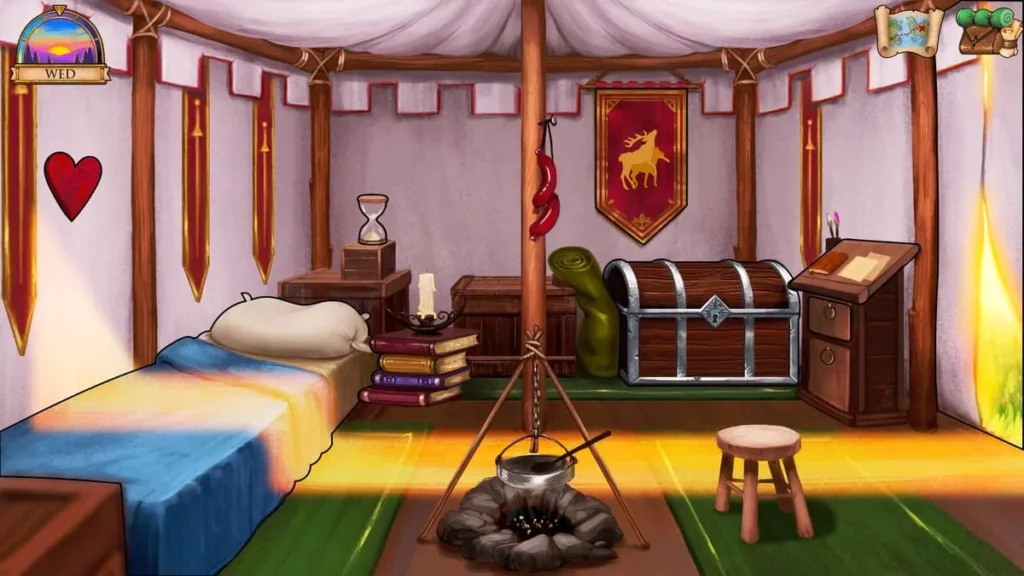
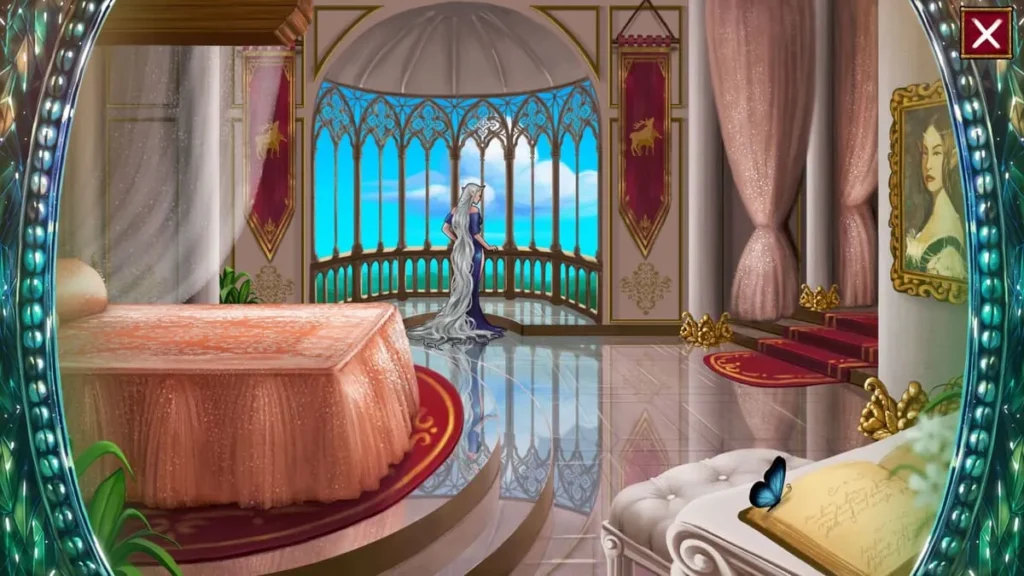

What a Legend! review
Explore the fantasy adventure mixing visual novel storytelling with sandbox gameplay
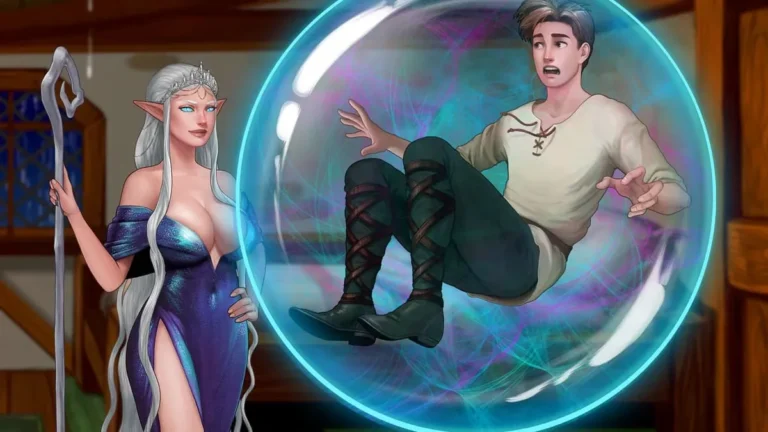
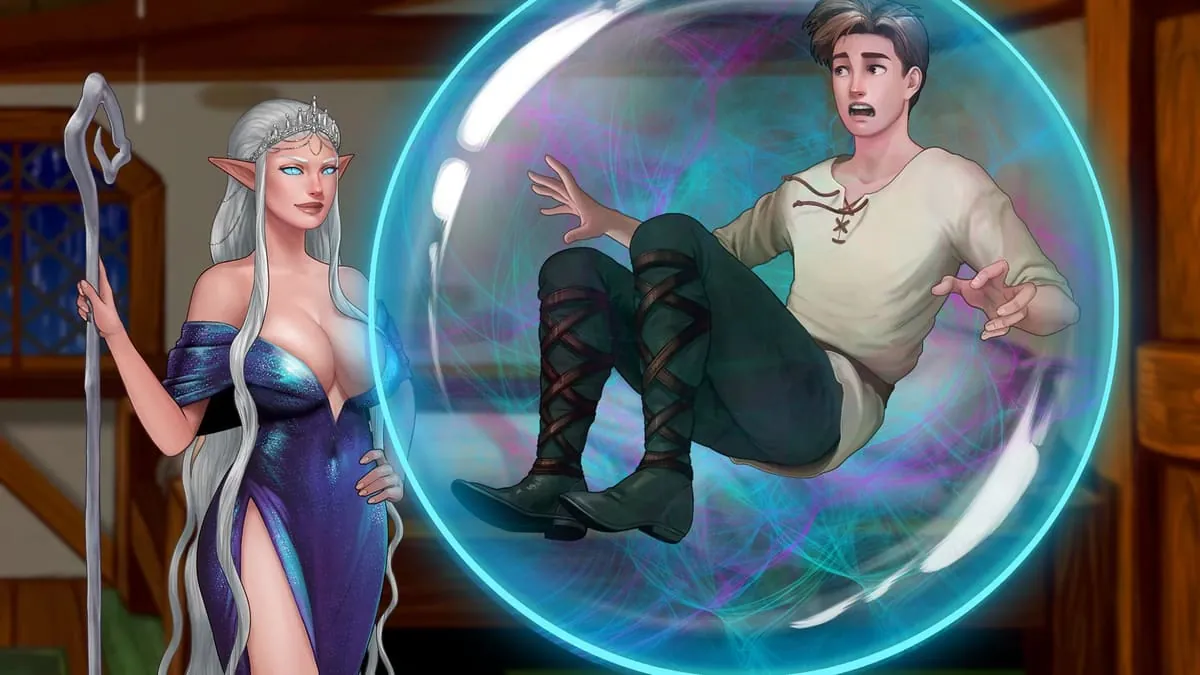
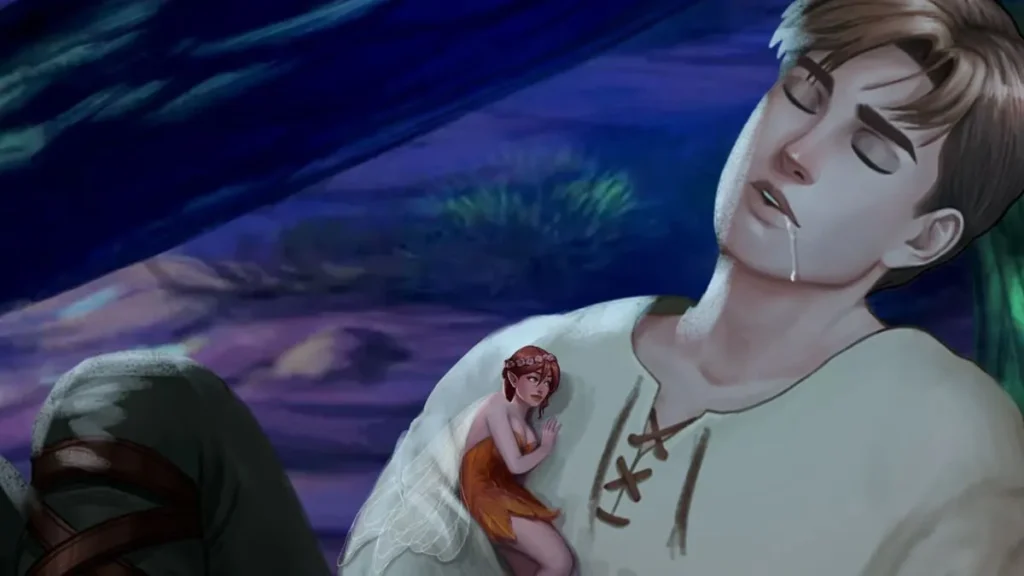
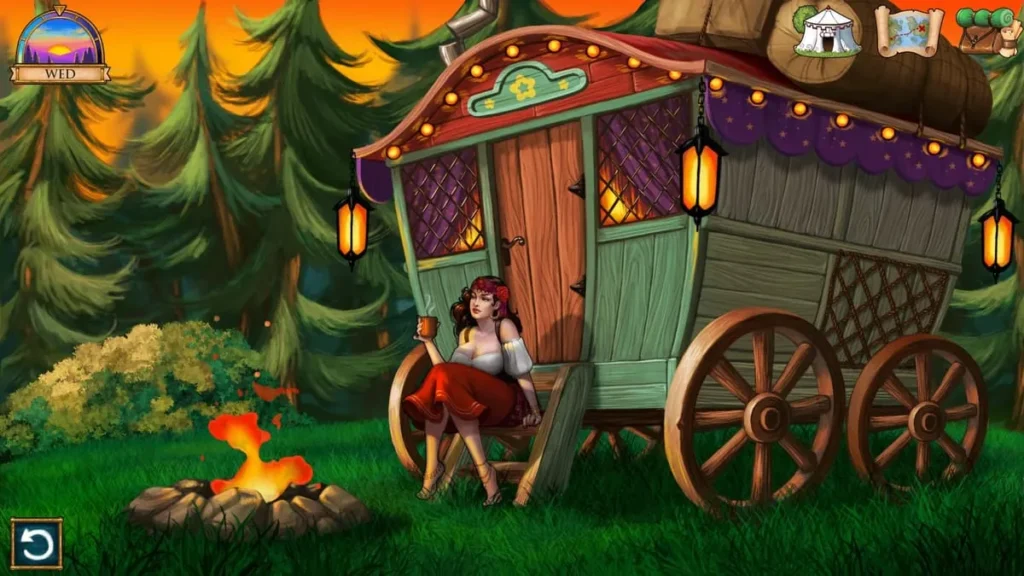
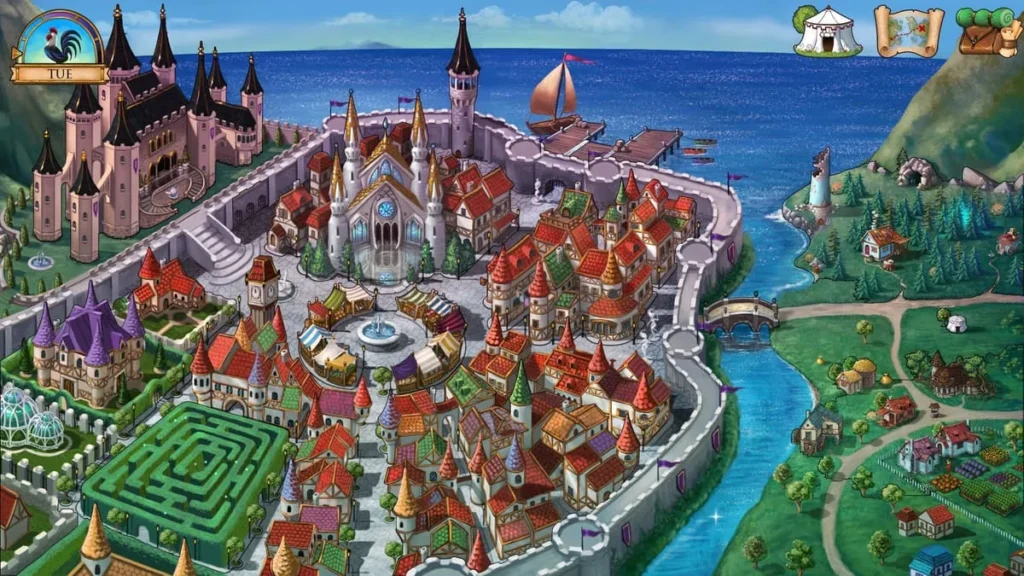
What a Legend! stands out as a unique point-and-click adventure that blends visual novel narrative depth with sandbox exploration mechanics. This medieval fantasy title weaves together humor, romance, drama, and rich storytelling as players guide a young protagonist through encounters with diverse characters while pursuing an epic quest to stop an evil tyrant. Whether you’re interested in the narrative-driven experience, character interactions, or the freedom of sandbox gameplay, this guide covers everything you need to know about what makes this adventure compelling.
Understanding What a Legend! Game Mechanics and Gameplay Style
Ever felt like most games force you into a box? 🎮 You’re either solving puzzles but can’t influence the story, or you’re making big narrative choices in a world that feels static. What a Legend! smashes that box to pieces. It’s a brilliant, genre-blending experience that masterfully stitches together the careful investigation of a point-and-click adventure game, the rich, branching paths of visual novel gameplay mechanics, and the open-ended freedom of sandbox game elements. This isn’t just a game; it’s a living, breathing fantasy world where your curiosity and choices are the ultimate keys to progress. Let’s unpack exactly how these systems work together to create one of the most engaging interactive storytelling game experiences out there.
Point-and-Click Adventure Mechanics Explained
Remember those classic games where you’d click everywhere on the screen, hoping to find a hidden key or a useful item? What a Legend! captures that magic but streamlines it for a modern audience. At its core, the interaction is beautifully simple: you look, you take, and you use. The entire world is your inventory puzzle. 🔍
The cursor is your primary tool, changing to indicate when you can examine an object, pick it up, or talk to someone. This creates an intuitive loop: explore a new area (like the bustling medieval town or a mysterious forest), scrutinize every nook and cranny for clues and items, and then figure out how those items interact with the world and each other to solve problems.
Pro Tip: If you’re stuck, re-examine everything! The solution often involves combining an item from one location with a puzzle in another, rewarding thorough exploration.
I remember one early puzzle where I needed to get past a grumpy guard. I had a bottle of cheap ale, a shiny coin, and a feather from a rather annoyed bird. Clicking the guard just got me growled at. It was only after I examined the tavern’s noticeboard (a classic point-and-click adventure game trope!) that I realized I could combine the coin with a posted bounty to create a distraction. The game doesn’t hold your hand; it trusts your logic and rewards your patience.
Here’s a quick breakdown of the core point-and-click adventure game loop in What a Legend!:
| Action | Purpose | Example in-Game |
|---|---|---|
| Examine | Gain descriptions, lore hints, and spot hidden interactables. | Looking at a bookshelf might reveal a loose book hiding a key. |
| Take/Collect | Add items to your inventory for later use. | Picking up a rope, an empty vial, or a peculiar mushroom. |
| Use/Combine | Solve puzzles by applying items to the world or to each other. | Using a forged pass to get through a gate, or mixing herbs to create a potion. |
| Talk | Gather information, unlock new quests, and build relationships. | Conversing with the blacksmith might reveal he needs ore, starting a new task. |
This mechanical foundation is crucial. It makes the world tactile and grounded, ensuring that even with the grand story and open exploration, you’re always engaging with the environment in a meaningful, hands-on way. It’s the “adventure” in this medieval fantasy adventure game.
Visual Novel Elements and Narrative Structure
If the point-and-click mechanics are your hands in the world, the visual novel gameplay mechanics are the game’s heart and soul. 🫀 This is where What a Legend! truly shines as an interactive storytelling game. The narrative isn’t just a backdrop; it’s a malleable, reactive tapestry woven from your decisions.
Dialogue sequences are presented with gorgeous character art and text boxes, but you’re never a passive reader. Prompts regularly appear, asking you to choose a response, an action, or even an emotion. These aren’t just cosmetic; they are the engine of the narrative choice mechanics. A kind word to a struggling merchant might open up a new trade route later, while a boastful threat to a rival could bar you from a whole faction’s quests.
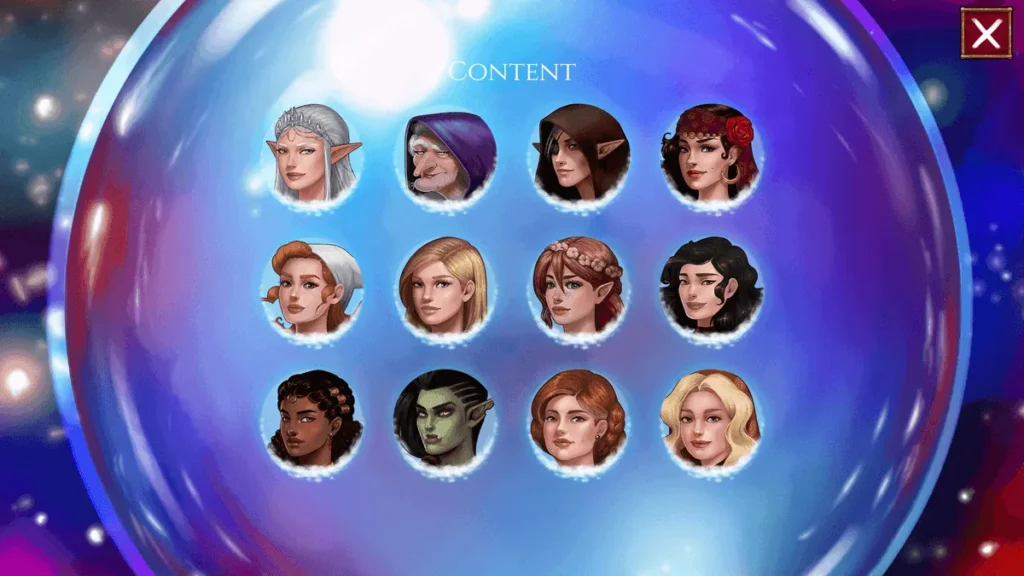
The most profound impact of these choices is seen in the deep character relationship system. Every major character has their own personality, schedule, and affinity meter that changes based on your interactions. This isn’t a simple “like/dislike” bar. Your choices influence how characters perceive you, what secrets they share, and even what… ahem… romantic or companionship opportunities become available. Building trust with the cunning rogue might grant you access to the black market, while earning the respect of the knight could lead to training that boosts your abilities.
Let me give you a personal example: Early on, I met a shy herbalist in the woods. In our first conversation, I had a choice: demand the herb I needed, or offer to help her with a pest problem. I chose to help. This single decision triggered a multi-step side quest, slowly built a friendship (and later, more), and ultimately unlocked her as a permanent companion who could craft potions for me. Had I been rude, that entire storyline—and its gameplay benefits—would have been sealed off forever. That’s the power of its character relationship system.
The story itself, your quest to stop the evil tyrant, provides a clear north star. But how you get there—who you ally with, who you betray, what side stories you complete—is entirely up to you. The game masterfully balances this interactive storytelling game approach, ensuring the main plot feels urgent while giving you the freedom to explore narrative tangents that make the world feel alive.
Sandbox Features and Player Freedom
This is where What a Legend! truly separates itself from a linear adventure. The sandbox game elements are what transform it from a great story into a world you can live in. 🗺️ While there is a main quest pushing you toward a climactic confrontation, the game is in absolutely no hurry to get you there. You are free to ignore the tyrant for days (in-game time) and just… exist.
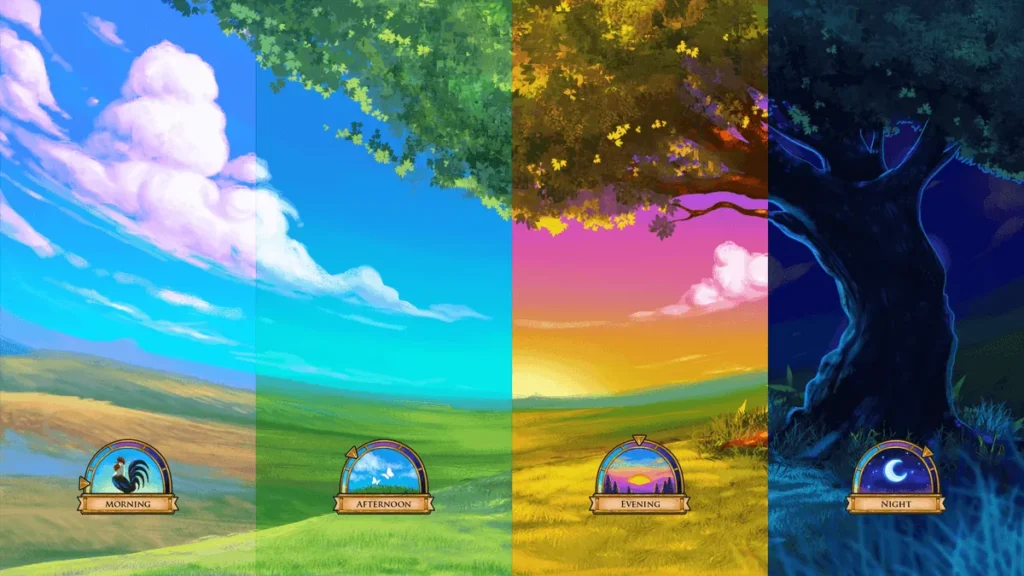
The world operates on a semi-persistent schedule. Characters go about their daily lives—working in shops during the day, drinking in the tavern at night. You can choose to follow these routines, interact at different times for different results, or spend your time exploring the varied landscapes of this medieval fantasy adventure game. Find a fishing spot and spend an afternoon catching supper. Discover a hidden cave system filled with resources (and maybe danger). The map is your oyster, and exploration is consistently rewarded with secrets, resources, and unexpected encounters.
This sandbox game elements philosophy extends to quests and progression. While main story quests are more structured, many side activities are open-ended “systems” rather than checklists. Want to earn money? You can take on bounty notices, gamble at the tavern, craft and sell items, or complete favors for townsfolk. There are multiple solutions to most problems, encouraging you to approach challenges with your preferred playstyle.
The genius is in the integration. All three styles—point-and-click, visual novel, sandbox—feed into each other seamlessly:
* A sandbox exploration phase leads you to a new location (point-and-click).
* In that location, you find a new character, triggering a visual novel dialogue with meaningful narrative choice mechanics.
* Your choices affect your standing in the character relationship system, which opens up new areas to explore (sandbox) or new items to find (point-and-click).
The pacing is controlled by you. The game seamlessly transitions between quiet moments of exploration, intense dialogue sequences, and puzzle-solving sections. One minute you might be carefully combining items to repair a bridge (point-and-click), the next you’re navigating a tense, choice-driven negotiation with a guild leader (visual novel), and the next you’re freely wandering a new area of the map you just unlocked (sandbox).
Ultimately, What a Legend! is a testament to the power of hybrid design. It understands that a great medieval fantasy adventure game isn’t just about saving the world; it’s about the stories you create on the way. It gives you the tools—the clicking, the choosing, the exploring—and then gets out of the way, allowing you to write your own legend, one clever puzzle, one meaningful relationship, and one discovered secret at a time. ✨
What a Legend! delivers a distinctive gaming experience by seamlessly combining point-and-click adventure mechanics with visual novel storytelling and sandbox exploration. The game’s strength lies in its ability to balance humor, romance, and drama while maintaining a compelling narrative centered on an epic quest. With its rich character interactions, meaningful player choices, and the freedom to explore a medieval fantasy world, the game appeals to players seeking both narrative depth and gameplay variety. Whether you’re drawn to the relationship-building aspects, the humor-filled dialogue, or the satisfaction of progressing through an engaging story, What a Legend! offers a multifaceted adventure that rewards exploration and player agency. For those interested in narrative-driven games with substantial character development and meaningful choices, this title represents a worthwhile experience that stands out in the adventure game genre.