
University of Problems
Play University of Problems
University of Problems Screenshots









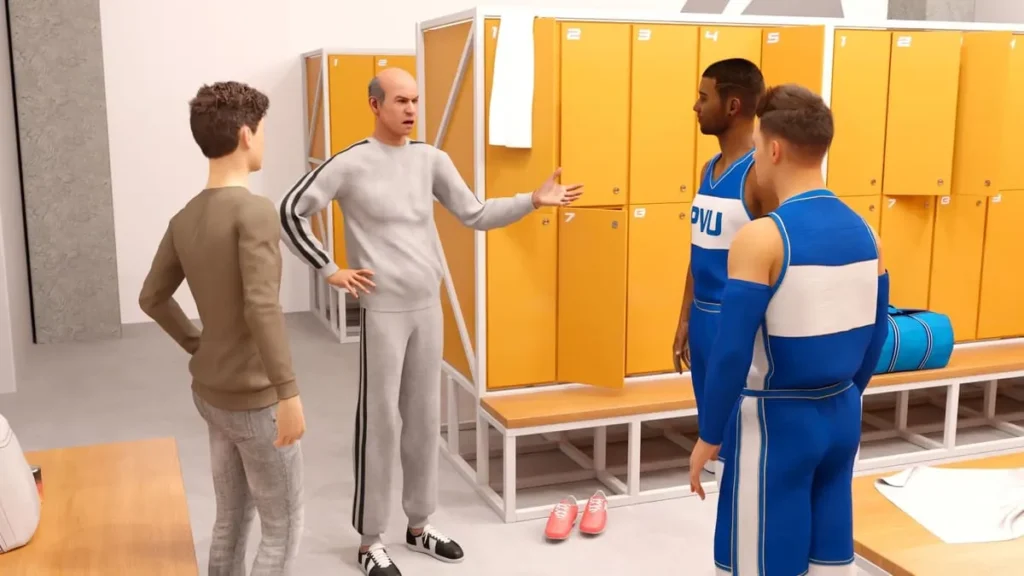








University of Problems review
Master Every Choice and Unlock Hidden Paths
Ever stumbled into University of Problems and felt overwhelmed by the endless choices? I remember my first playthrough—rushing through decisions only to miss out on steamy events with Carol or Ashley. This game isn’t just any visual novel; it’s a gripping tale of campus drama, relationships, and consequences that keep you hooked. Whether you’re chasing high lust paths or building intelligence stats, this guide breaks it down. Discover University of Problems secrets, optimize your routes, and experience every outcome like a pro. Let’s dive into the chaos of college life where every click counts.
What Makes University of Problems Addictive?
I still remember the night I downloaded University of Problems on a whim. “Just something to kill an hour,” I told myself. Fast forward to 3 AM, and I was frantically scribbling notes on a legal pad, trying to map out if choosing to study with Emma would lock me out of Sarah’s later video call. I was utterly hooked. That’s the magic of this game—it doesn’t just tell a story; it makes you the architect of it, with every tiny decision rippling out into consequences you feel deeply invested in. If you’re here, you’ve felt that pull too. So, let’s break down exactly what makes University of Problems so addictive and how you can master its brilliant, frustrating, and deeply rewarding world. 🎮✨
Why Choose University of Problems Over Other Games?
Let’s be real: the visual novel space is crowded. So what sets this one apart? It’s the perfect, potent blend of relatability and fantasy. The University of Problems story grounds you in a familiar setting—navigating classes, friendships, and campus drama—but then supercharges it with meaningful choice and complex character arcs. Unlike linear games, your personality in-game is a direct construct of your choices, measured by tangible stats that open or slam shut doors you didn’t even know existed.
Other games might give you an illusion of choice; here, the University of Problems mechanics ensure your path is truly your own. Want to play a scholarly, disciplined student focused on acing exams? You can. Prefer to embrace the social whirlwind and see where the night takes you? That’s a valid path too. The game respects your agency, making your successes feel earned and your failures a compelling reason to hit ‘New Game’ immediately. The replay value is insane—I’ve done four full playthroughs and I’m still discovering new dialogue and scenes. For a game about problems, it sure solves the issue of boring, one-and-done experiences. 😉
Core Storyline and Gameplay Mechanics Explained
At its heart, the University of Problems gameplay is an expertly crafted choice-driven visual novel. You step into the shoes of a new student, and your goal is simply to navigate this exciting, chaotic chapter of life. The core loop is deceptively simple: you progress through days, making choices in conversations and deciding how to spend your time. These choices advance the University of Problems story, developing your relationships with a cast of memorable characters like the bubbly Emma, the more reserved Sarah, and others you’ll meet on campus.
But the devil—and the delight—is in the details. A typical day isn’t just text. It’s a series of strategic decisions:
Pro Tip: I wasted hours on bad routes until I learned this: always check the fridge in your apartment! It’s not just set dressing; it’s a key interaction point that can affect your energy and opportunities.
Your day might involve a tense tennis match where your performance impacts a character’s opinion of you, a decision to join a study group or go to a party, or a quiet moment accepting a massage that deepens a connection. Events like video calls are critical turning points. Then there are the parties, which present a major branch: do you go for the grand prize, focusing on a single goal, or just hang out and see what unfolds? This choice alone can define an entire playthrough’s direction.
Understanding this daily flow is the essence of how to play University of Problems. It’s not about rushing; it’s about savoring each decision and observing how the narrative web unfolds around you.
How Stats Like Lust and Intelligence Shape Your Playthrough
This is where the game’s genius truly lies. Your actions feed into a hidden stat sheet that acts as the game’s moral and personality compass. These University of Problems stats are the invisible hands guiding your destiny. They don’t just change an ending slide; they alter available dialogue, unlock entire scenes, and determine which character paths are even possible for you.
The two primary stats you’ll constantly manage are:
* Intelligence: Your scholarly discipline. Choosing to study, read books, and focus on academics raises this. High Intelligence opens up conversations about future plans, earns you respect from certain characters, and is crucial for what I call the “Scholar” endings.
* Lust: Your willingness to engage in the more adventurous side of campus life. Flirtatious dialogue, attending parties, and choosing risqué options raise this. A higher Lust stat unlocks more intimate scenes and leads down the “Socialite” narrative branches.
The thresholds are everything! For example, keeping your Lust <= 10 might lead to quicker, more straightforward narrative conclusions with certain characters. Letting it grow > 20, however, can unlock extended, more complex scenes and story arcs that add layers to the relationships. It’s not about “good” or “bad”—it’s about crafting a specific character.
| Stat | How to Raise It | Key Influence on Gameplay |
|---|---|---|
| Intelligence | Studying, reading books, choosing academic dialogue. | Unlocks “Scholar” paths, affects exam outcomes, alters conversations with goal-oriented characters. |
| Lust | Flirtatious choices, partying, physical interactions like massages. | Unlocks “Socialite” paths, extends intimate scenes, opens up wilder party options. |
| Relationship (per character) | Spending time with them, choosing supportive dialogue, succeeding in their specific events. | Determines if character-specific events trigger sequentially. Missing a threshold can break a route. |
My biggest piece of actionable advice? Track your stats from Day One. On my first playthrough, I bounced around aimlessly, and my stats were a messy middle-ground that locked me out of the best content with both Emma and Sarah. Pick a lane early! If you want to pursue a specific character, prioritize every interaction with them, as many events are sequential. The best University of Problems routes are built by consistent, stat-focused choices.
To find the best University of Problems routes, you need to commit. This means replaying the game with different stat focuses to see how the story diverges. A high-Intelligence, low-Lust run tells a dramatically different tale than a high-Lust, low-Intelligence one. And the game rewards this exploration with unique CG scenes and endings for each major combination.
Your First Day on Campus: A Strategic Sample 🎒
Let me walk you through a potential first day to show the University of Problems mechanics in action. You wake up. The first choice: lounge in bed or get up and get ready. (Already, the game is setting a tone for your character’s discipline). At breakfast, you check the fridge—crucial!—and might find a note or an item. Then, you head to class where you’ll meet key characters. A dialogue choice appears: a studious answer, a funny quip, or a flirtatious line. That single choice will raise a corresponding stat point.
Later, you’re invited to hang out. Do you go to the library (Intelligence +) or the student lounge (potential Lust +, Relationship +)? In the evening, a video call invite pops up. Your ability to even access the best parts of this call may depend on your Relationship stat with that person from earlier interactions. This interconnectedness is what makes the University of Problems gameplay so deeply engaging. You’re not just picking options; you’re building a profile.
Mastering Replay Value and Final Tips for New Players
The true endgame of University of Problems isn’t just one ending; it’s seeing the vast tapestry of stories. You will need 4+ playthroughs to see everything, and that’s a feature, not a bug. Each run is faster as you skip known text, and the thrill of discovering a brand-new scene because you maxed out a different stat is unmatched.
Before you go, here are my hard-earned tips to avoid my early pitfalls:
- Don’t Ignore the Fridge: I’ve said it before, but it’s the most common missable. Check it daily!
- Understand Party Trade-Offs: The “grand prize” at parties often means hyper-focusing on one goal, potentially ignoring others. “Hanging out” is more exploratory. Choose based on your route goal.
- Save Strategically: Use multiple save slots. Save before every major choice like a party decision or a video call. It lets you branch without restarting.
- Prioritize One Relationship: On a given run, focus on one primary love interest. Diluting your attention often leads to incomplete arcs.
- Embrace the Flops: Your first playthrough will be “messy.” That’s okay! It’s your learning run. Enjoy the unique, imperfect story you create.
Diving into University of Problems is committing to a world that reacts to you. By understanding its deep gameplay systems, managing your stats wisely, and exploring the rich story branches, you transform from a passive player into the master of your own unforgettable campus saga. Now, go make some problems… and solve them. 💥
FAQ: Your University of Problems Quick-Start Guide
Q: What’s the very first thing I should do when starting University of Problems?
A: Decide on the broad personality for your character before you make significant choices. Do you want to be a scholar, a socialite, or something in between? This initial focus will help you make consistent stat choices from the get-go and prevent a disjointed middle-of-the-road playthrough.
Q: I’m overwhelmed by choices! What’s one early decision that really matters?
A: The first major party invitation and how you choose to behave there is a huge branch. Your choice between going for a specific “grand prize” or just “hanging out” will significantly steer the mid-game narrative and available relationships. Save your game before deciding!
Q: How different are the playthroughs really? Is replaying worth it?
A: Absolutely. Different stat thresholds (like Lust >20 vs. <=10) don’t just change an ending; they unlock entirely different scenes, dialogue sequences, and character developments throughout the game. Two playthroughs with different stat focuses can feel like 60% different stories. The replay value is the game’s biggest strength.
There you have it—your roadmap to conquering University of Problems. From stat-building basics to party dilemmas and character deep dives, these strategies turned my chaotic runs into perfect playthroughs. I’ve relived the tension of lust thresholds and the thrill of chained events countless times, and now it’s your turn. Grab the game, experiment with these paths, and share your wildest outcomes in the comments. What’s your favorite route so far? Dive in, make bold choices, and own the university chaos.