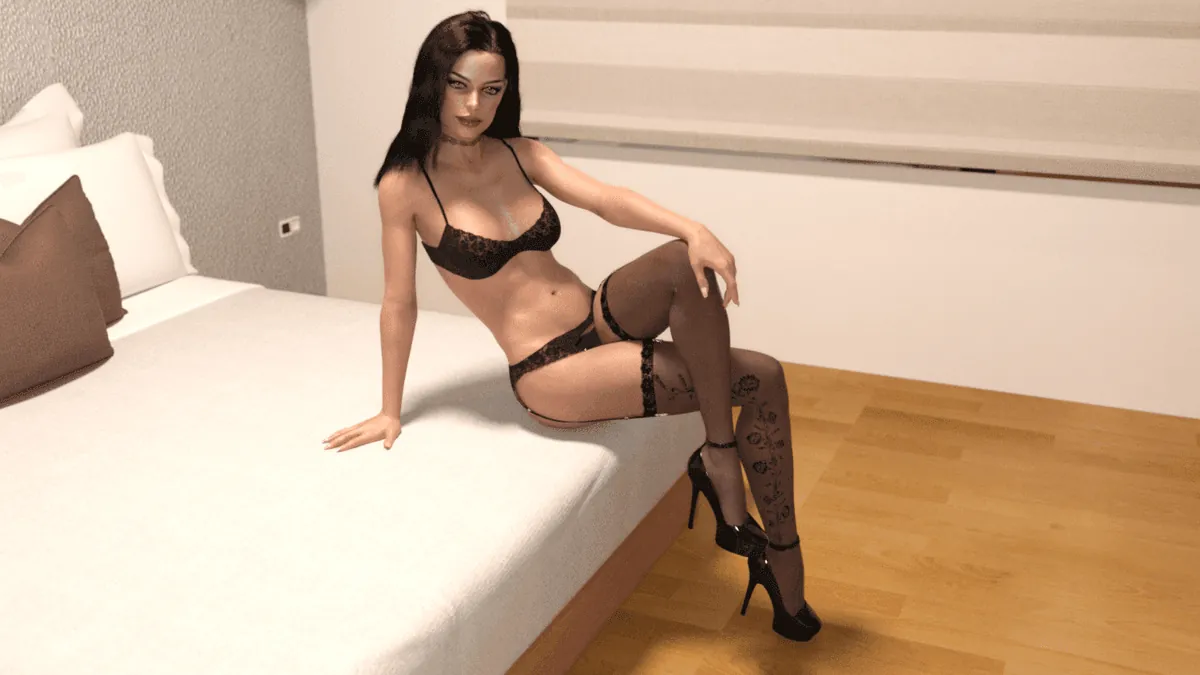
The Theater of Sinners
Play The Theater of Sinners
The Theater of Sinners Screenshots
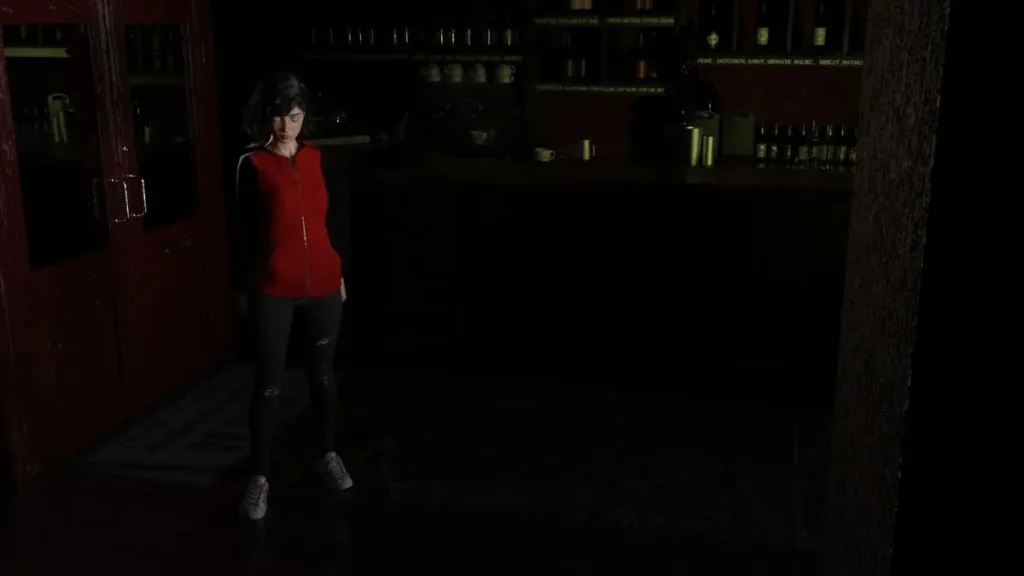
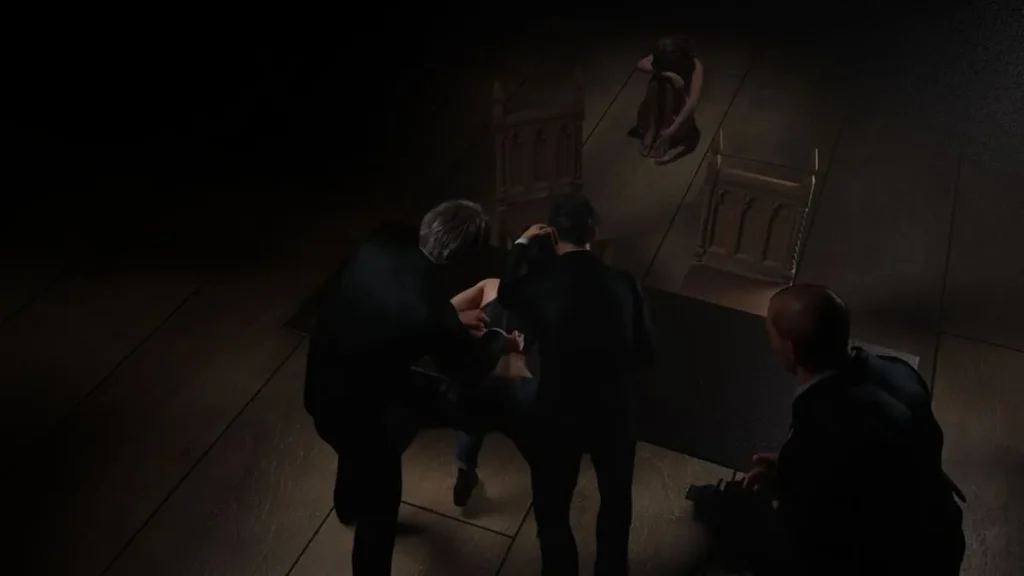
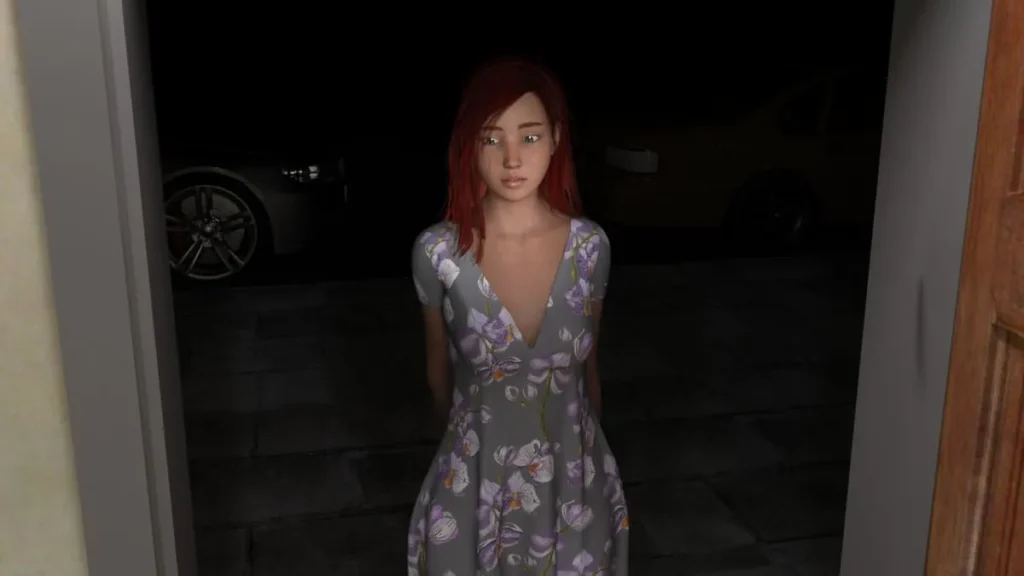
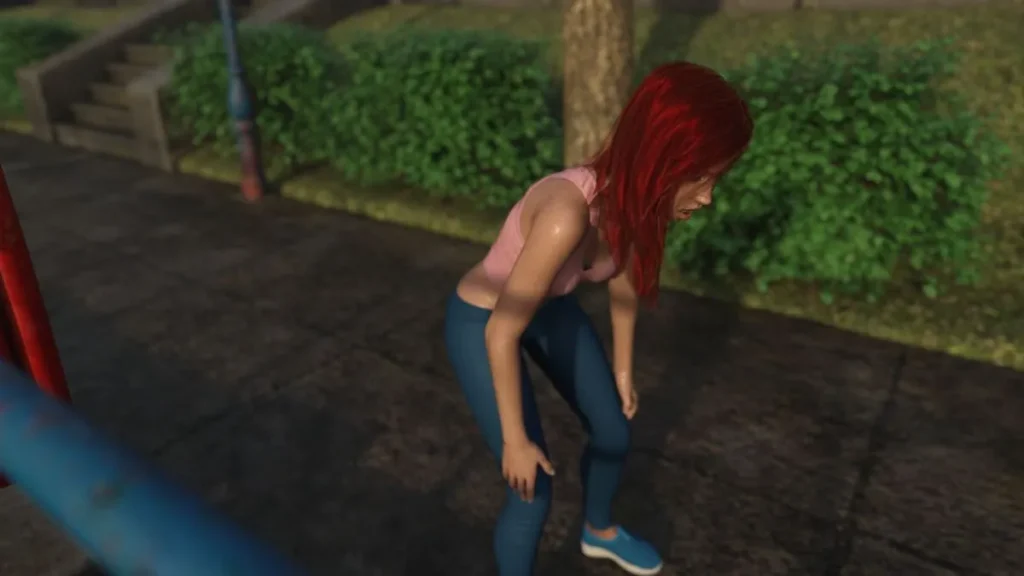
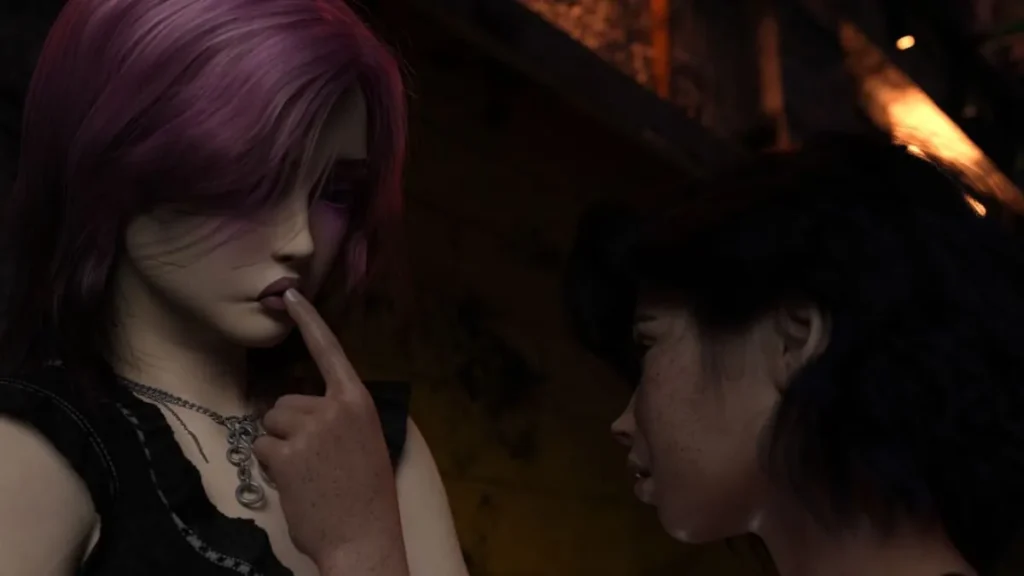
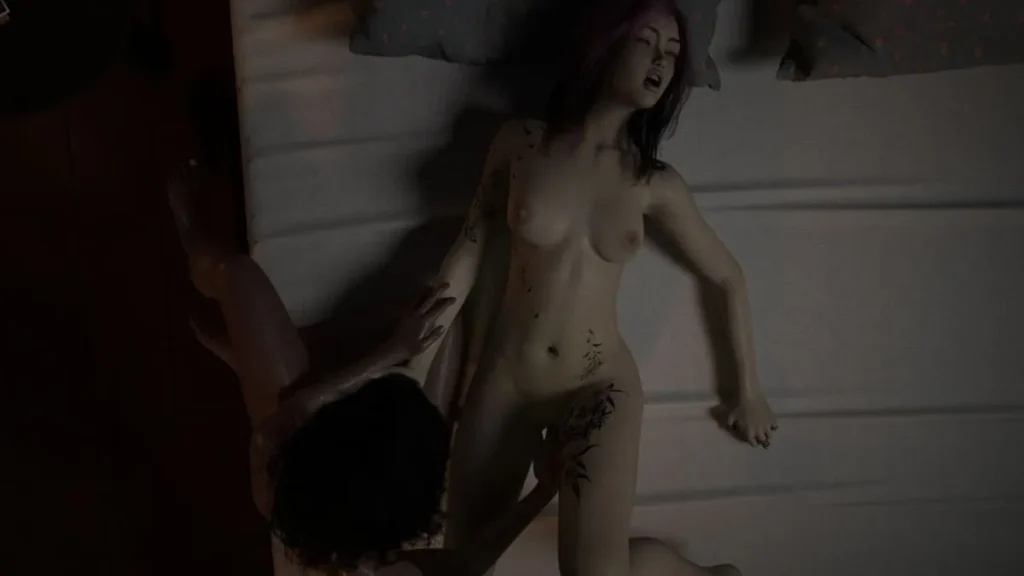
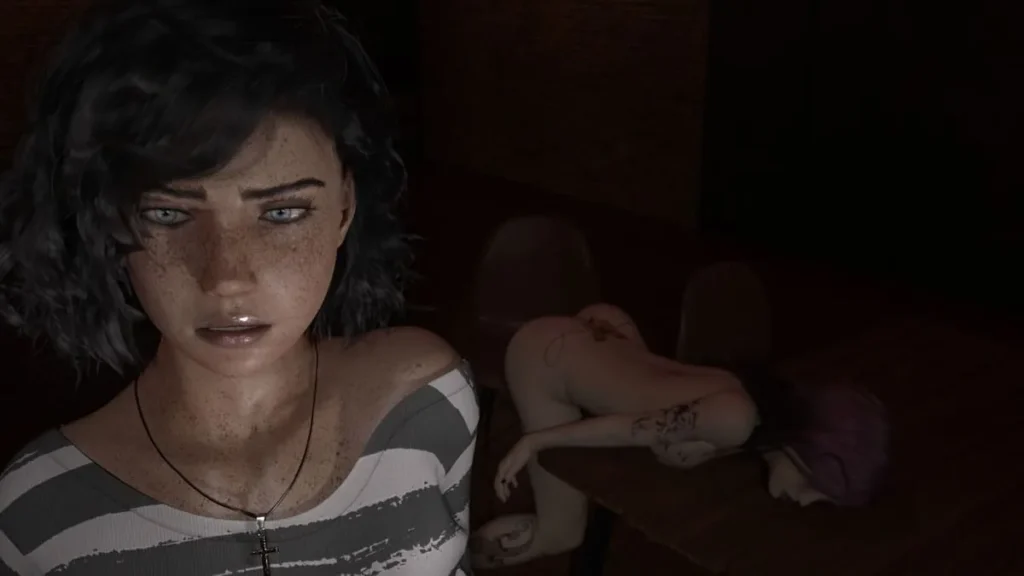



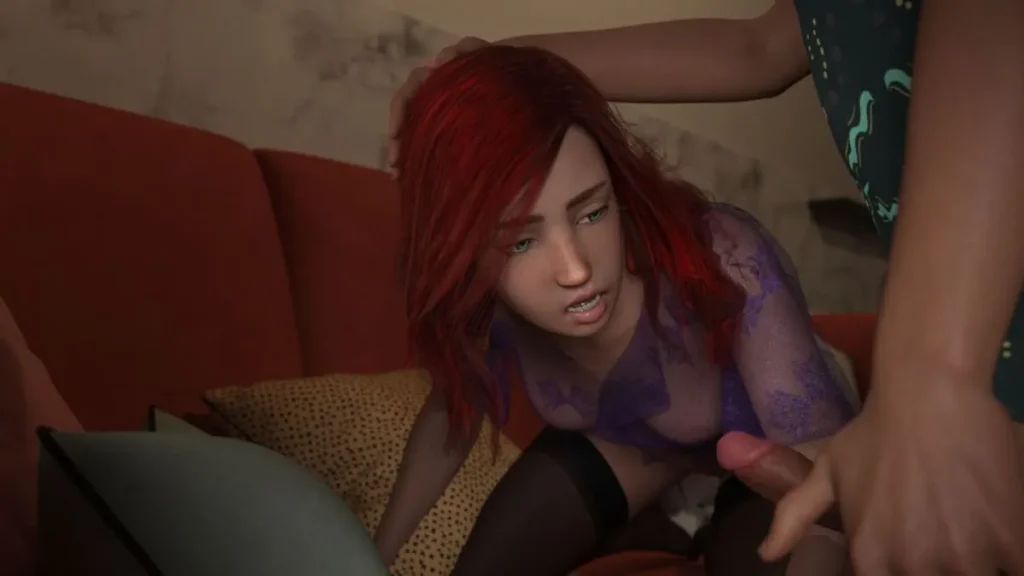
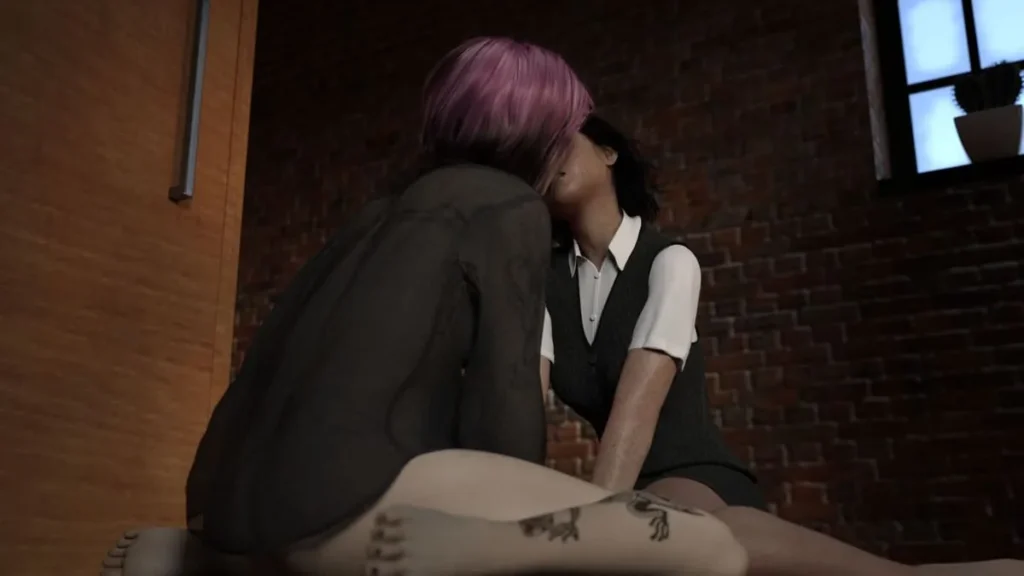
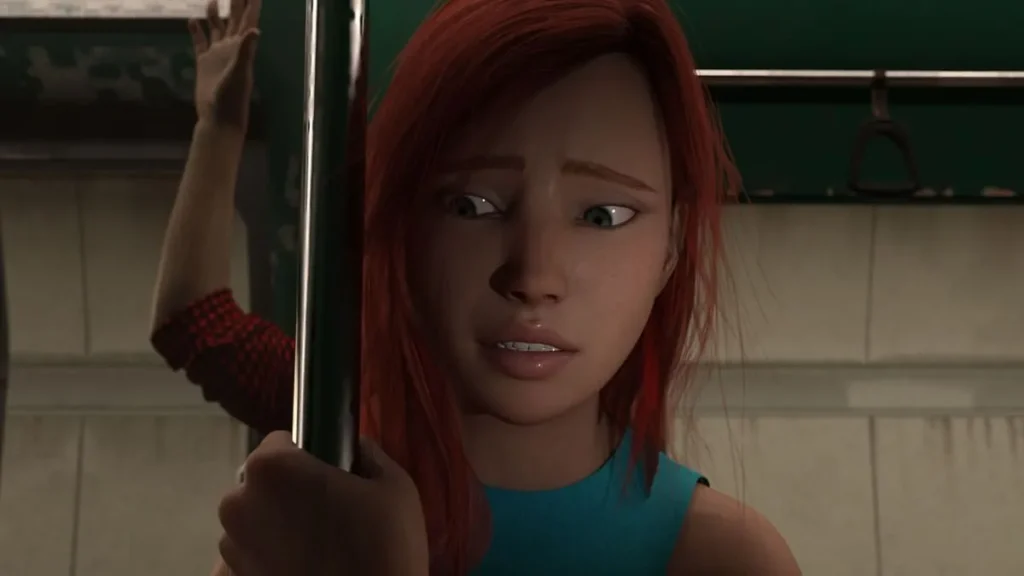
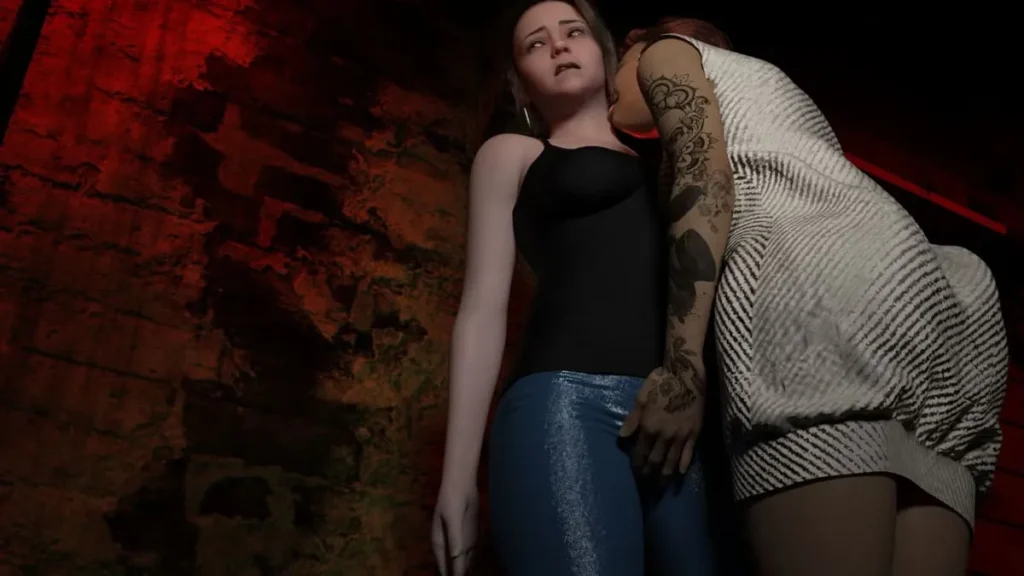
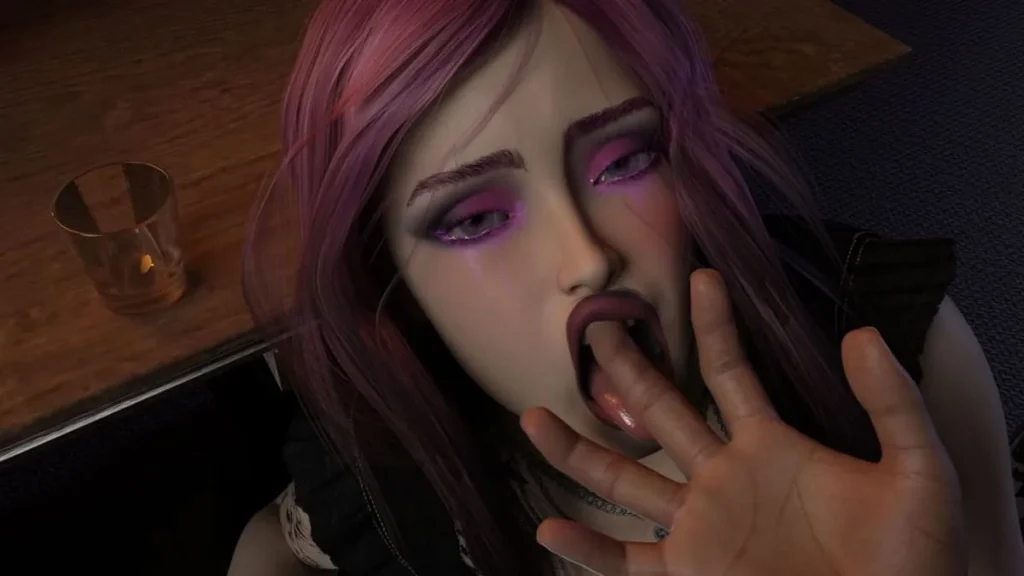
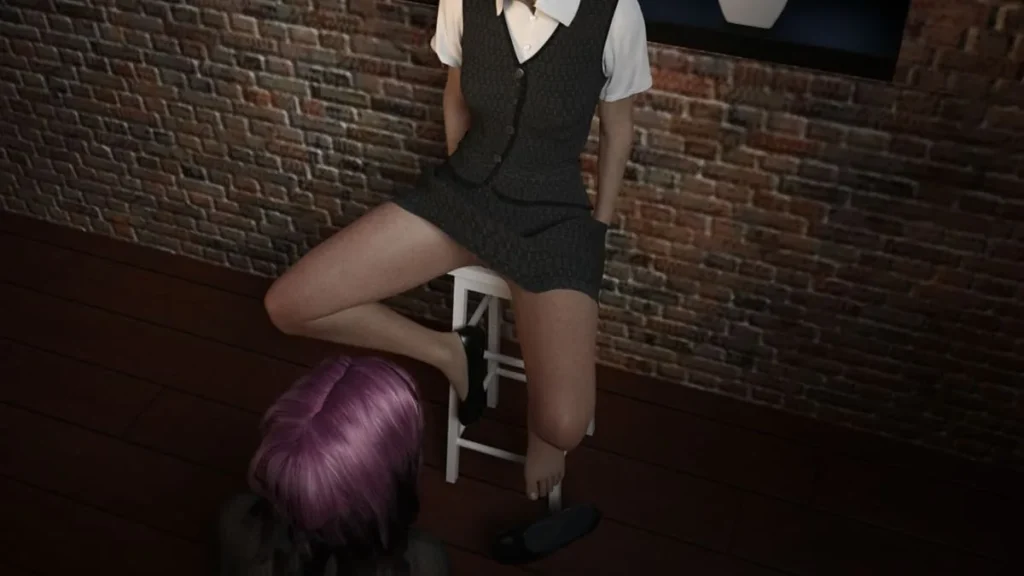
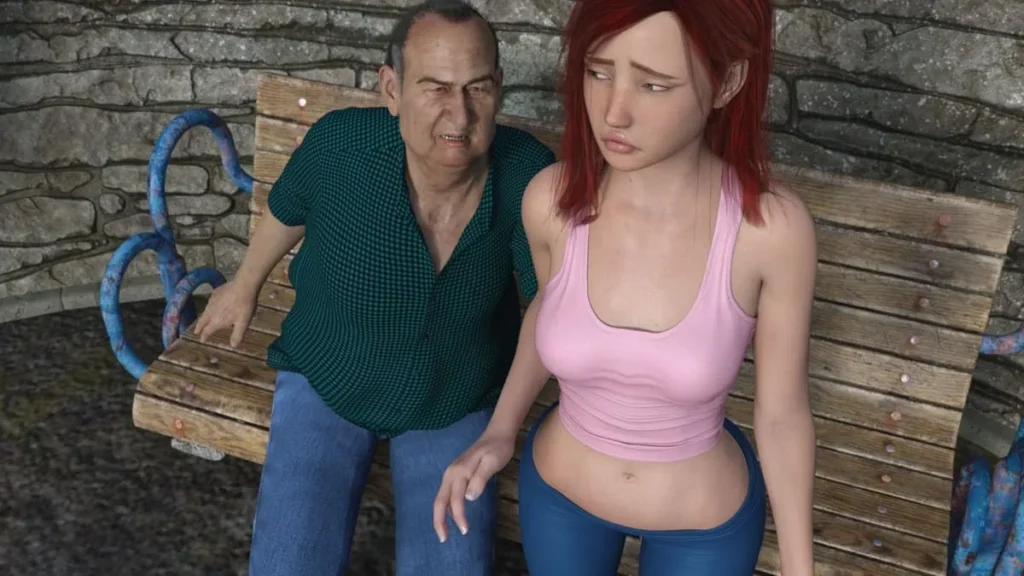
The Theater of Sinners review
Dive into humiliation, corruption, and twisted choices in this Ren’Py adult horror game
Imagine stumbling into the Grand Théâtre des Ombres, a shadowy realm where sins play out on stage and your choices dictate the fall into depravity. The Theater of Sinners, crafted by JustXThings, grips you with its psychological fantasy horror wrapped in a Ren’Py visual novel. I first loaded it up late one night, heart racing as Paula’s story unfolded—daughter of power tangled with teen delinquents in a web of humiliation and brutality. This guide unpacks the narrative depth, key decisions, and immersive elements that make The Theater of Sinners a standout adult game. Whether you’re chasing dark thrills or branching storylines, stick around to see why it’s hooking players worldwide.
What Makes The Theater of Sinners Uniquely Gripping?
Let’s be honest—most adult visual novels promise a dark twist, but few actually make you sit back, stare at the screen, and whisper, “What the hell did I just choose?” 🤯 The Theater of Sinners isn’t just another Ren’Py game; it’s a meticulously crafted descent into a world where every flicker of hope is snuffed out by your own decisions. I remember my first playthrough, blindly picking what seemed like a mildly defiant option for Paula. The result wasn’t a small setback; it was a cascade of brutal consequences that left a side character broken in ways the game had only hinted at. That’s when it clicked: this psychological horror visual novel doesn’t play by the rules. It’s raw, uncomfortable, and that’s its genius.
Created by JustXThings (currently in version 0.3 ALPHA 1), the game swaps power fantasy for a relentless exploration of humiliation, corruption, and survival. You’re not a hero here. You’re a participant in a grand, twisted play, and the script is written with your compromises. This chapter is about why that experience is so uniquely gripping.
Unraveling the Core Storyline and Protagonists
At the heart of The Theater of Sinners storyline is a fractured, non-linear narrative that feels like assembling a puzzle where every piece is stained. 🧩 The game is structured across three planned seasons, with the current release covering the first half of Season 1. The story doesn’t hand you a plot—it throws you into a murky pond of flashbacks, fleeting visions, and present-day dread, leaving you to piece together the horrifying bigger picture.
This approach is masterfully tied to its two central figures: Paula and Rebecca. Their stories are interleaved, not parallel, meaning your understanding of one directly colors your perception of the other.
-
Paula is a fascinating, tragic core. Described as the daughter of an all-powerful figure yet thrown in with teen delinquents, she’s a vortex of contradictions—entitled yet vulnerable, rebellious yet broken. Her path is a brutal study of corruption mechanics, where acts of sadism or masochism aren’t just flavor text; they’re stat-altering choices that define her downward spiral. Playing a pivotal Paula Theater of Sinners scene early on, where she confronts a tormentor, I chose a path of vengeful cruelty. The temporary triumph was immediately undercut by a flashback showing the childhood roots of that same brutality, making my “victory” feel hollow and horrifying.
-
Rebecca serves as a dark mirror. Her narrative delves deeply into D/s dynamics, self-harm tendencies, and complex abuse cycles. Her story feels more intimately psychological, often playing out in claustrophobic settings that amplify the horror.
Their journeys are set against the ominous backdrop of the Grand Théâtre des Ombres setting. This isn’t just a location; it’s a character—a looming, gothic entity that symbolizes the staged performances of misery the protagonists endure. The atmosphere is thick with dread, built through unsettling, painterly imagery and a soundscape that knows the power of silence punctuated by a whisper or a scream.
To understand how they work, here’s a breakdown of their core drivers:
| Protagonist | Core Traits & Conflict | Key Decision Impacts |
|---|---|---|
| Paula | Daughter of power, juvenile delinquent. Struggles with inherited brutality vs. a suffocated vulnerability. Paths of vengeful sadism or corrupted masochism. | Choices directly raise/lower Corruption and Resilience. High Corruption unlocks darker, more powerful but self-destructive event branches. Low Resilience leads to breakdown scenes and failed checks. |
| Rebecca | Enmeshed in complex power dynamics. Themes of control, submission, and self-annihilation. Her story explores the psychology of entanglement. | Decisions influence Obedience and Self-Will. These stats open or lock pathways in her relationships, determining whether she perpetuates cycles of abuse or finds fragile, costly ways to resist. |
How Decision-Based Mechanics Shape Your Descent
Forget simple “good vs. evil” morality meters. The Theater of Sinners corruption mechanics are a sophisticated engine of psychological decay. This is where Ren’Py adult game decisions transform from simple branching points into a rogue-like pressure cooker. 🎭 Every click carries weight.
Your stats—like Corruption, Resilience, Obedience—are hidden currencies. They don’t just change a line of dialogue; they unlock or permanently lock entire events, character interactions, and milestones. Early on, I didn’t grasp this. I played reactively, making choices based on fleeting emotion. Big mistake. By mid-game, I was stuck: a crucial path was sealed because my Corruption was too low, and my Resilience had been chipped away by what I thought were minor compromises. I had to replay, treating each choice as a strategic resource investment.
Practical Tip: Think of your playthrough as managing a fragile psyche. If you want to see a specific dark event, you might need to deliberately let Corruption fester. If you aim for a slightly less tragic ending (relatively speaking!), guarding Resilience becomes your daily mission.
The how to play The Theater of Sinners truly lies in embracing its non-linearity. The game encourages—almost demands—multiple playthroughs. Events can be triggered in different orders, which radically alters context and outcome. Witnessing Rebecca’s submission before seeing Paula’s defiance casts both in a totally new light. This fragmented, puzzle-box approach means the “story” isn’t what happens; it’s the unique, horrible understanding you piece together across attempts. It’s a survival horror erotic twist where your resource isn’t ammo, but your character’s crumbling sanity.
Why the Psychological Horror Hits So Hard
The horror in The Theater of Sinners doesn’t come from jump scares (though the imagery is deeply unsettling). It blooms from a profound sense of complicity. 🩸 This is a psychological horror visual novel that implicates you, the player, in its machinery of despair.
The genius is in the contrast between the beautiful, often stylized Ren’Py art and the brutal acts it depicts. A scene might be framed like a classical painting, only for the dialogue to reveal something monstrous. The sound design uses jarring silences and subtle, discordant notes to keep you perpetually on edge. You’re always waiting for the other shoe to drop, and because of the decision-based system, you know you might be the one dropping it.
The themes—humiliation, corruption, brutality—are not spectacles. They are processes. You watch, and through your choices, you facilitate the gradual stripping away of dignity. This creates an emotional rawness that’s far more affecting than any gore. The game forces you to sit with discomfort, to question why you chose the “lesser evil,” only to reveal it was never lesser at all.
It’s this unflinching commitment to its own dark logic that makes The Theater of Sinners storyline so memorable. It denies catharsis. A “better” outcome is often just a different shade of tragedy. You’re left not with a sense of accomplishment, but with a haunting reflection on the choices made, both by the characters and by you. In the world of adult horror games, it stands apart not for what it shows, but for what it makes you feel—and the uncomfortable truths it makes you confront about agency, corruption, and the stories we tell to survive.
FAQ: Starting Your Descent into the Theater
Q: What’s the biggest mistake new players make?
A: Playing it like a typical visual novel where you just “go with your gut.” This game punishes that. Your gut will lead you to total ruin (which is a valid way to play!). For a more strategic experience, pay close attention to the subtle feedback after choices. A character flinching or a change in the music cue can hint at a stat shift.
Q: In what order should I play events?
A: There’s no “right” order, and that’s the point! 🌀 For a first run, let the game guide you naturally. On your second playthrough, use the scene selection (if available) to explore events in a different sequence. You’ll be shocked how a later scene re-contextualizes an earlier one, completely changing its meaning.
Q: How do the stats actually branch the story?
A: Think of them as keys. Certain narrative doors (specific dialogues, scenes, or even whole character routes) require a stat to be above or below a hidden threshold. For example, a high Corruption might unlock a scene where Paula embraces her cruel side, while a high Resilience might allow her to withstand a breaking point without a permanent negative effect.
Q: Is there a “good” ending?
A: In the traditional sense, likely not. The game is about the journey into darkness. “Success” is better measured by how much of the layered, painful story you uncover. Different stat configurations reveal different fragments of the truth.
Q: Any quick advice for managing my first playthrough?
A: Pick one protagonist to “focus” on mentally for that run. Decide at the start: am I exploring Paula’s corruption, or Rebecca’s dynamics? Don’t try to min-max all stats on one go—it’s nearly impossible. Embrace the tragedy, take notes on what choices lead where, and remember: in the Grand Théâtre des Ombres, every player is both audience and actor in their own downfall.
The Theater of Sinners pulls you into a vortex of moral ambiguity, where every choice echoes through Paula and Rebecca’s fractured lives, blending erotic tension with bone-chilling horror. From my sessions, it’s the raw unpredictability—the way a single decision spirals into brutality or fleeting redemption—that keeps me coming back. If you’re ready to direct your own descent in this Ren’Py masterpiece, grab version 0.3 ALPHA 1 from JustXThings on itch.io and dive in. Share your wildest branching paths in the comments—what sin did you unleash first? Your story awaits on that shadowy stage.