
The Office
Play The Office
The Office Screenshots










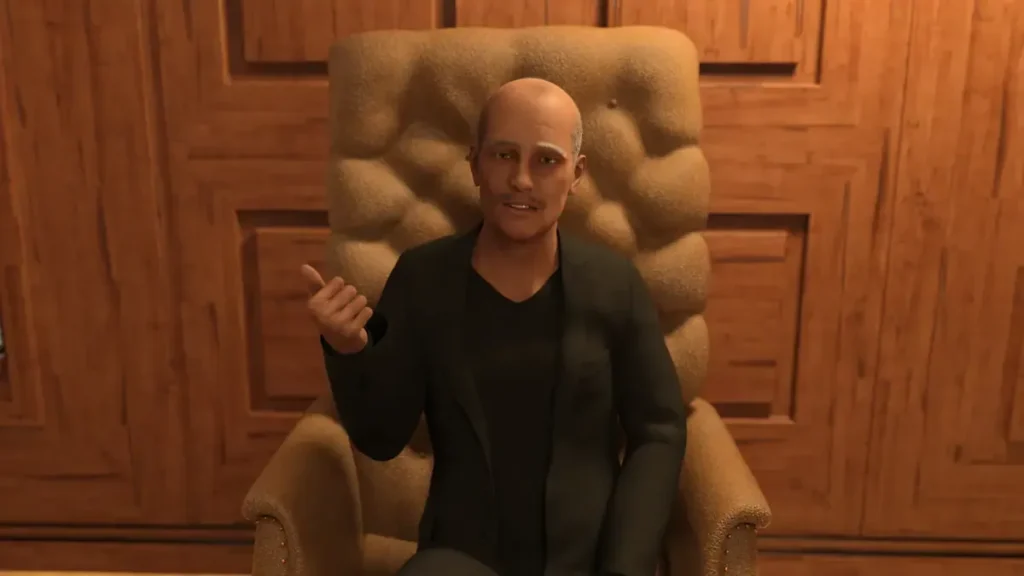





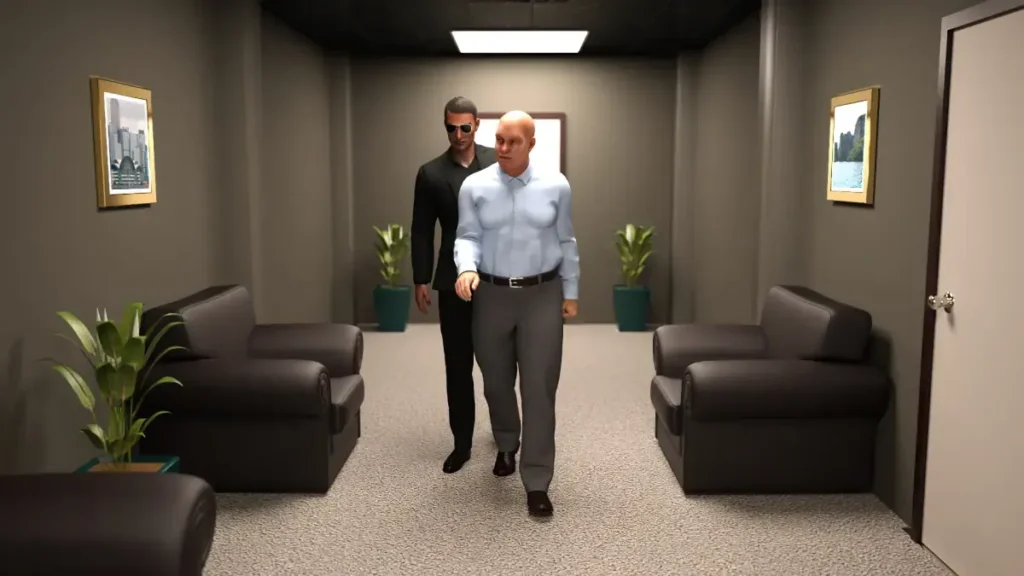









The Office review
Explore narrative choices, routes, and character interactions in this interactive story experience
Drama in the Office is an interactive narrative game that puts you in the role of a photographer working at a small agency. As you progress through the story, you uncover the dark truth behind your boss’s business operations. The game features multiple branching storylines, character relationships, and meaningful choices that determine your ending. Whether you’re new to the game or looking to explore different narrative paths, this guide covers everything you need to know about gameplay mechanics, character interactions, and how your decisions shape the outcome of your experience.
Understanding Drama in the Office: Game Overview and Core Mechanics
So, you’ve just booted up Drama in the Office game and you’re ready to dive in. Maybe you’re a seasoned pro of interactive narrative games, or perhaps this is your first foray into a story where your clicks truly matter. Either way, you’ve probably sensed this isn’t your typical linear tale. You’re right. From the very first click, you’re not just playing a game—you’re co-authoring a story where every choice sends ripples through the entire narrative. It can feel overwhelming, but don’t worry! That’s exactly why we’re here. Think of this as your friendly map before you venture into the morally complex (and wildly engaging) corridors of this visual novel. 🗺️✨
Let’s break down exactly what you’re getting into, how your decisions forge the path, and what kind of stories you can tell. Trust me, a little insight now will make your journey ten times more rewarding.
What is Drama in the Office and How Does It Work?
At its heart, Drama in the Office is a branching storyline game that places you in the shoes of a talented but disillusioned photographer working at a seemingly glamorous modeling agency. The premise hooks you immediately: while trying to build your career, you slowly uncover that your charismatic boss is running a dark scheme. The agency is a front, used to scout and deceive aspiring young models, ultimately coercing them into the adult film industry. 😳 Your role as the new photographer puts you right in the middle of this ethical minefield.
This is where the “game” truly begins. You’re not a passive observer. Drama in the Office is built as a classic interactive narrative game, meaning the plot unfolds based on your decisions at key moments. You’ll be presented with dialogue options, actions to take, and moral stances to choose. Will you ask probing questions or look the other way? Will you offer genuine comfort to a distressed model, or see her as just another part of the business?
The genius of this branching storyline game is its cause-and-effect design. Early conversations can unlock or lock away entire scenes and character interactions later on. It’s not about “good” or “bad” choices in a simplistic sense, but about defining who your character is in response to a corrupt system. Are you a savior, a collaborator, or something in between? The game waits for your answer. I remember my first playthrough, I made what I thought was a harmless, flirty joke early on. Three chapters later, that single line had completely altered a character’s trust in me, closing off a whole subplot I didn’t even know existed! That’s the narrative choices impact in action—it’s real, it’s consequential, and it makes every playthrough uniquely yours.
The Two Main Routes: Romance and Seduction Paths
As you navigate the story, your consistent decisions will funnel you toward one of two diametrically opposed narrative highways: the Romance Route or the Seduction Route. This is the core fork in the road for your entire experience. You can think of them as the game’s major “themes” or moral alignments. Picking one doesn’t just change the ending; it reshapes your character’s relationships, goals, and the very tone of the story. 🚦
-
The Romance Route Gameplay: Here, you choose to resist the corruption. Your goal is to protect the women who come through the agency, helping them see the truth and avoid exploitation. You become an ally, and potentially more, building relationships based on genuine connection and care. This path is about defiance and protection. Within this noble pursuit, the Romance Route gameplay further branches based on the nature of the bonds you form:
- Harem Branch: You strive to build deep, romantic connections with multiple women, aiming to protect and be with them all. It’s a challenging path of managing affections and orchestrating a collective escape from the boss’s influence.
- Girl on Girl Branch: Your influence helps foster a primary, powerful romantic connection between two of the women, with your role being that of a crucial supporter and catalyst for their relationship.
-
The Seduction Route Mechanics: In this path, you decide to join the business. You embrace the agency’s dark purpose, using your charm and position to successfully persuade models into the boss’s scheme. This route explores themes of power, corruption, and temptation. The Seduction Route mechanics are all about persuasion and control, and they too split into distinct branches:
- Domination Branch: You focus on corrupting and possessing one primary woman, establishing a dominant, controlling relationship where you are the central figure in her new path.
- Sharing Branch: You work more directly as the boss’s partner in crime, succeeding in bringing multiple women into the fold and engaging in the dynamics of the “business.”
To see how these paths compare at a glance, let’s break it down:
| Aspect | Romance Route | Seduction Route |
|---|---|---|
| Core Objective | Protect the women, expose/resist the corruption. | Join the corruption, succeed in the deceptive business. |
| Player Role | Ally, Protector, Love Interest. | Corrupter, Persuader, Business Partner. |
| Primary Branches | Harem; Girl on Girl. | Domination; Sharing. |
| Relationship Focus | Building genuine, caring connections (with one or multiple women). | Establishing power dynamics and achieving corruptive goals. |
| Ending Outlook | Endings focused on rescue, escape, and mutual affection. | Endings focused on successful corruption, partnership in the scheme, or hollow victory. |
How Your Choices Impact the Narrative
This is where the rubber meets the road in any great interactive narrative game. In Drama in the Office, the narrative choices impact isn’t just a marketing slogan—it’s the engine of the game. Every significant decision acts as a node, directing the flow of the story down increasingly specific channels. Think of it like a tree: early choices pick a major branch (Romance vs. Seduction), mid-game choices select a smaller limb (Harem vs. Girl on Girl), and later choices determine the exact twig and leaf you end up on—your specific finale. 🌳
The game is masterful at using early, seemingly innocuous moments to set your trajectory. You won’t see a prompt that says “PICK YOUR ROUTE NOW!” Instead, it’s woven into your character’s developing personality. Here are a few key early decision points that heavily influence which game routes and branches you’ll access:
- Your First Reaction to a Model’s Distress: When you first witness a model being uncomfortable or pressured, do you intervene with concern, or do you dismiss it as “part of the job”?
- Conversations with the Boss: Do you challenge his shady comments, play along with them, or actively express interest in the “lucrative” side of the business?
- Private Moments with a Model: When alone with a potential love interest, do your dialogue options lean toward supportive friendship and honesty, or toward flirtatious persuasion and exploiting her dreams?
- Handling Confidential Information: If you stumble on evidence of the scam, do you hide it to protect the agency, or do you secretly document it or share it with someone you trust?
Pro Tip from a Veteran Player: Save often and use multiple save slots! 👨💻 The beauty of a branching storyline game like this is experimentation. Don’t be afraid to re-load an earlier save to see how a different choice plays out. It’s the best way to truly appreciate the scope of the narrative the developers have crafted.
Your choices accumulate, building a hidden “alignment” score for each route. By the end of the first few chapters, the game has essentially calculated your path, locking you into either the Romance or Seduction trajectory. This lock isn’t a limitation—it’s a commitment to the consequences of your actions, making your story feel earned. Later, within your main route, specific affections and decisions will determine which branch you finale on, leading to an ending with one specific woman, multiple women, or a particular dramatic conclusion that reflects your journey.
Understanding this structure before you start is the ultimate power move. It frees you from the anxiety of “making the wrong choice” and lets you play with intention. Do you want to explore a tale of redemption and love, or delve into a darker story of power and corruption? In Drama in the Office game, you don’t just watch the drama—you author it, one deliberate, impactful choice at a time. Now that you know how the machine works, you’re ready to step into the office and write your own story. Happy plotting! 📸❤️🔥
Drama in the Office offers a complex interactive experience where your decisions genuinely matter. Understanding the game’s dual-route system, recognizing critical choice points, and knowing how early decisions cascade into later consequences allows you to navigate the narrative intentionally. Whether you’re pursuing the Romance Route to help characters avoid corruption or exploring the Seduction Route, the game rewards players who pay attention to character interactions and understand the branching structure. By familiarizing yourself with the early game walkthrough and character dynamics, you can craft the narrative experience that aligns with your preferred playstyle and discover all the different endings the game has to offer.