
Tales from the Deep: Eve
Play Tales from the Deep: Eve
Tales from the Deep: Eve Screenshots


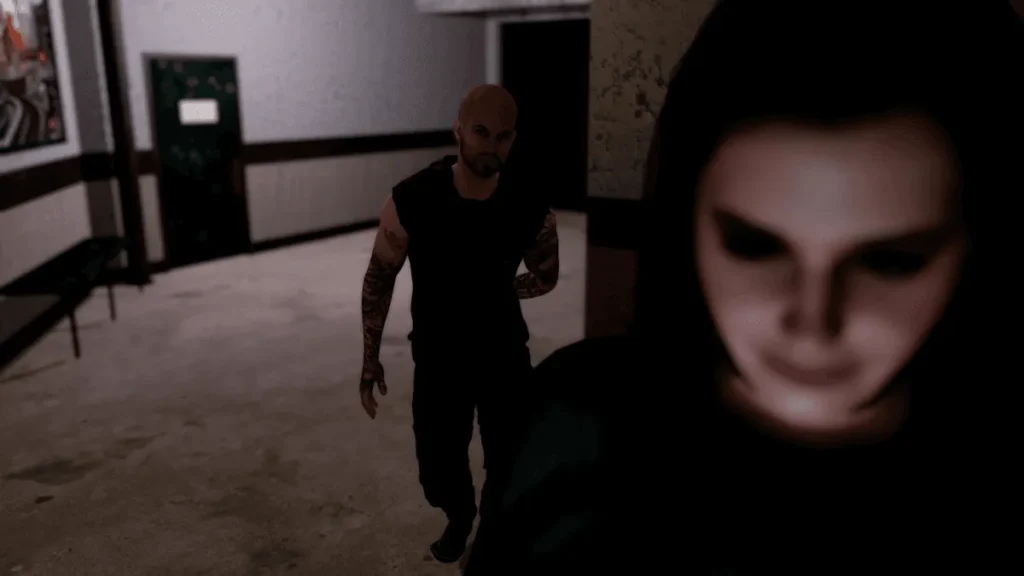






Tales from the Deep: Eve review
A player-focused review and walkthrough of Tales from the Deep: Eve
Tales from the Deep: Eve is a narrative-driven adult visual novel that follows Eve, a woman rebuilding her life after addiction and loss; this guide dives into the game’s story, mechanics, and player advice while highlighting content considerations. In this article I share my firsthand impressions, practical gameplay tips, and a chapter-by-chapter breakdown to help players decide whether to play and how to get the most out of the experience.
Story, Themes, and Characters in Tales from the Deep: Eve
Let’s be honest: when you start a visual novel called Tales from the Deep: Eve, you’re braced for a certain kind of story. Maybe something mystical, or a seaside romance. What you get is something far more raw, immediate, and human. This isn’t a tale of escapism; it’s a mirror held up to some of life’s hardest struggles, wrapped in a compelling interactive narrative. At its heart, the Tales from the Deep: Eve story is a profound exploration of survival, past trauma, and the fragile journey of rebuilding a life from the shattered pieces.
This chapter dives deep into the narrative machinery of the game. We’ll unpack who Eve is, the heavy themes you’ll navigate, and the people who populate her world—for better or worse. Understanding these elements is key to appreciating the game’s depth and making the branching choices Eve presents with intention, rather than just guesswork. 🎭
Who is Eve and what’s her arc?
To understand the Tales from the Deep: Eve story, you must first understand Eve herself. Her Eve character background is not a simple backstory; it’s the foundation of every scar, every hesitant smile, and every tough decision she makes. Eve is a young woman in her twenties who has already lived a lifetime of hardship. She was a teen mother, a period marked by struggles with substance use that she has fought hard to overcome. Now, she’s piecing her life together, one day at a time, working long hours as a bartender and supplementing her income as a cam model—a job that offers financial relief but at a significant emotional cost.
Her arc in Chapter 1 is not about becoming a hero. It’s about personal agency. It’s about a woman who has been acted upon by life—by poverty, by past mistakes, by systems that fail her—slowly learning to act for herself. The inciting incident is a powerful catalyst: a threatening message from a predatory client who has discovered her real-life location. This moment shatters the precarious stability she’s built, forcing her out of a defensive, reactive posture and into a position where she must make active, terrifying choices to protect herself and her son.
The branching choices Eve faces are rarely between clear “good” and “evil” options. They are choices between bad and worse, between risky defiance and soul-crushing compliance. Do you stand up to a dangerous regular at the bar, risking your job and safety? Do you share your vulnerabilities with a potential ally, or keep your walls impossibly high? Each decision feels weighted with real consequence because it directly impacts Eve’s emotional state, her relationships, and the delicate ecosystem of her survival. You’re not guiding a blank slate protagonist to power; you’re guiding a deeply wounded person toward either further isolation or cautious connection.
Core themes and tone
If you’re looking for a lighthearted visual novel, this isn’t it. Tales from the Deep: Eve earns its content warnings with a thoughtful, unflinching look at visual novel dark themes. The game’s atmosphere is a character in itself—a blend of neon-drenched loneliness, the sticky-floor griminess of a struggling bar, and the isolating glow of a webcam. This tone perfectly complements its core narrative themes.
Central to the experience is the theme of narrative themes addiction recovery. The game doesn’t use Eve’s past as a cheap tragic backstory. It’s a constant, living presence. You feel it in her cravings during moments of extreme stress, in the shame that colors her self-perception, and in the daily, active choice she makes to stay clean. Her recovery is a thread woven through every interaction, reminding us that the battle doesn’t end just because the substance is gone; it evolves.
Poverty and exploitation are the engines of the plot. Eve’s work as a cam model isn’t glamorized; it’s portrayed as a financial necessity fraught with coercion and danger. The game asks uncomfortable questions about autonomy when your choices are constrained by economic desperation. Other visual novel dark themes explored include emotional manipulation, the threat of violence, and the struggle for custody and a better life for one’s child. This is a story about people living in the margins, and it refuses to look away from the grit of that reality.
Personal Anecdote: There’s a quiet moment in Eve’s apartment, late at night after a particularly harrowing shift. Her son is asleep, and she’s just staring at her computer screen, a notification from her camming site blinking. The game gave me two choices: log on and try to earn for tomorrow’s groceries, or shut it down and try to rest. I sat there for a full minute, my cursor hovering. Choosing to log on felt like a betrayal of her need for peace, but choosing to shut it down filled me with anxiety about an imaginary utility bill. I finally clicked “Log On,” and the way Eve’s shoulders slumped in the following artwork—a mix of resignation and determination—hit me harder than any dramatic confrontation. In that small branching choice, I felt the crushing weight of her circumstances more than any dialogue could have conveyed. 💔
Supporting characters and their roles
Eve’s world is populated by a cast of supporting characters Tales from the Deep who are far from simple archetypes. Each one acts as a mirror, a catalyst, or a obstacle, directly shaping her path and the available branching choices Eve can take.
- Mack, the Bar Owner: Gruff but with a hidden protective streak. He represents stability and a fragile form of paternal care, but his help often comes with strings or lectures. Your choices with Mack define Eve’s professional security and whether she sees authority as something to be feared or cautiously trusted.
- Charlie, the Regular: A charming but morally ambiguous figure who takes an interest in Eve. Is he a genuine ally, a potential romantic interest, or a predator in friendly clothing? Interactions with Charlie are masterclasses in tension, forcing players to constantly evaluate his motives.
- The Antagonists (e.g., “Viper”): These characters embody the explicit threats in Eve’s life—stalkers, manipulative clients, violent patrons. They are the manifestations of the exploitation and danger lurking at the edges of her world. Choices involving them are often direct tests of Eve’s courage and resourcefulness.
- Allies and Confidantes: Characters like a fellow single parent or a pragmatic coworker offer glimpses of solidarity. These relationships are where themes of trust and vulnerability are played out. Investing in these bonds can open up new dialogue options and potential escape routes later in the story.
To see how they influence the narrative, here’s a quick breakdown:
| Character | Their Role | Impact on Eve’s Choices & Endings |
|---|---|---|
| Mack | Provider/Authoritarian Figure | Dictates job security; building trust can unlock financial aid or shelter options in crises. Antagonizing him can lead to a dead-end, forcing riskier paths. |
| Charlie | The Wild Card | Offers alternative solutions (e.g., quick money, protection) but at potential moral or physical cost. Choices here heavily influence romantic subplots and can lead to dangerously dependent or surprisingly redemptive endings. |
| “Viper” / Antagonists | External Threat | Directly test Eve’s agency. Confronting them can lead to empowerment or disaster. Avoiding them can create a ticking clock of anxiety. Shapes the “safety” parameter of the ending. |
| Allies (e.g., Jen) | Emotional Anchors | Provide safe spaces for vulnerability. Nurturing these relationships builds a support network, which can be the decisive factor in achieving a more hopeful, stable conclusion. |
Narrative pacing and future threads
The Tales from the Deep: Eve story in its current release (typically noted as Chapter 1 or Version 1.0) is a masterclass in slow-burn tension. Scenes vary in length, with quiet, introspective moments in Eve’s apartment lasting 5-10 minutes, and intense, dialogue-heavy encounters at the bar stretching longer as you navigate complex social dynamics. The game doesn’t rush. It lets you sit in Eve’s anxiety, making the eventual breakthroughs or breakdowns feel earned.
Chapter 1 excels at establishing a powerful, self-contained crisis while expertly sowing seeds for the future. Key threads left deliberately unresolved include the long-term threat of her stalker, the deepening mystery around characters like Charlie, the ongoing battle for custody and a better life for her son, and the sustainability of her recovery under relentless pressure. These aren’t cliffhangers for the sake of it; they are the very real, unresolved issues of a life in progress.
As a player-focused review, the ultimate takeaway is this: Tales from the Deep: Eve is a challenging, emotionally resonant experience. Its strength lies in how it makes you feel the cost of every victory and the weight of every setback. By intertwining Eve character background so completely with its narrative themes addiction recovery and visual novel dark themes, it creates a story where your choices genuinely matter. You’re not just selecting dialogue; you’re fighting for a person’s soul, one difficult, branching choice at a time. Whether those choices lead her into deeper darkness or toward a fragile light is a tale only you can tell. 🌊
Tales from the Deep: Eve is a compact but provocative narrative experience that will appeal to players who want a dark, character-driven visual novel and who are prepared for mature, challenging themes. This guide covered the story and characters, practical gameplay and saving tips, content warnings and coping strategies, platform and installation notes, and community reception to help you decide whether to play. If you choose to try the game, start with conservative save habits, pay attention to content warnings, and engage with community resources for tips and updates. If you found this guide helpful, consider sharing your playthrough notes or questions so I can add more targeted tips and walkthrough details.