Tainted Heritage – a.k.a Weird Shit Is Going to Happen
Play Tainted Heritage – a.k.a Weird Shit Is Going to Happen
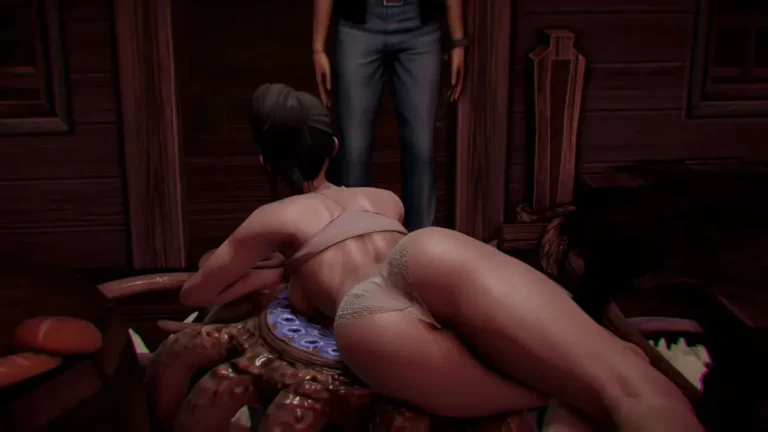
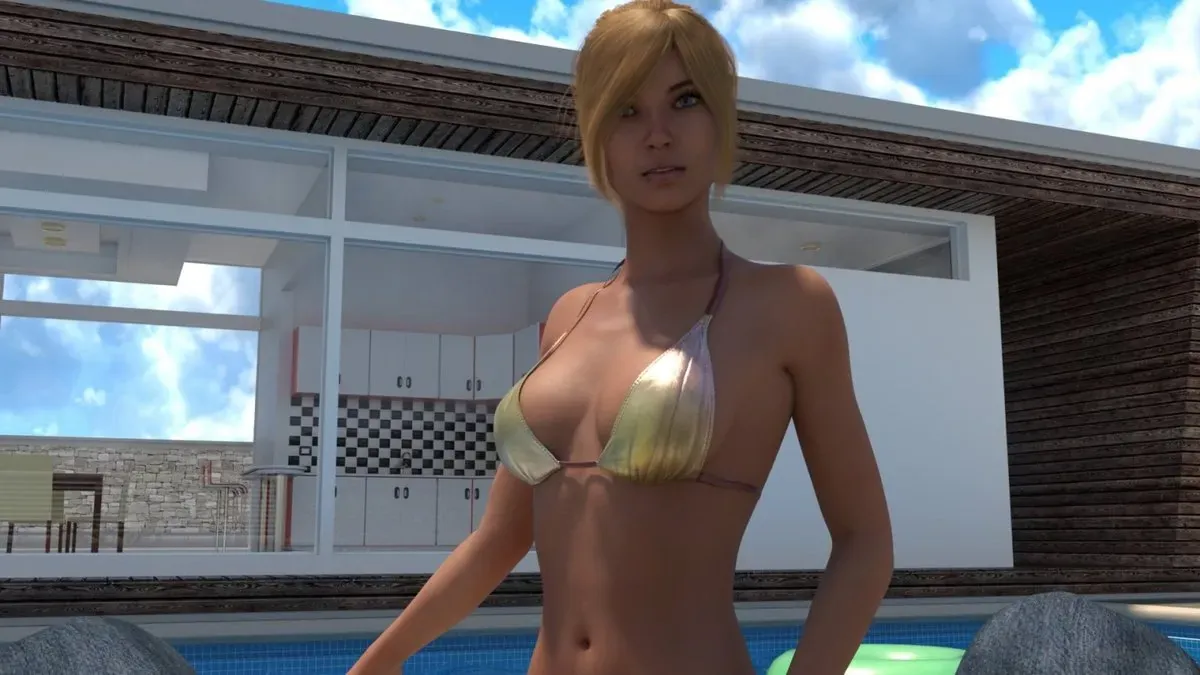
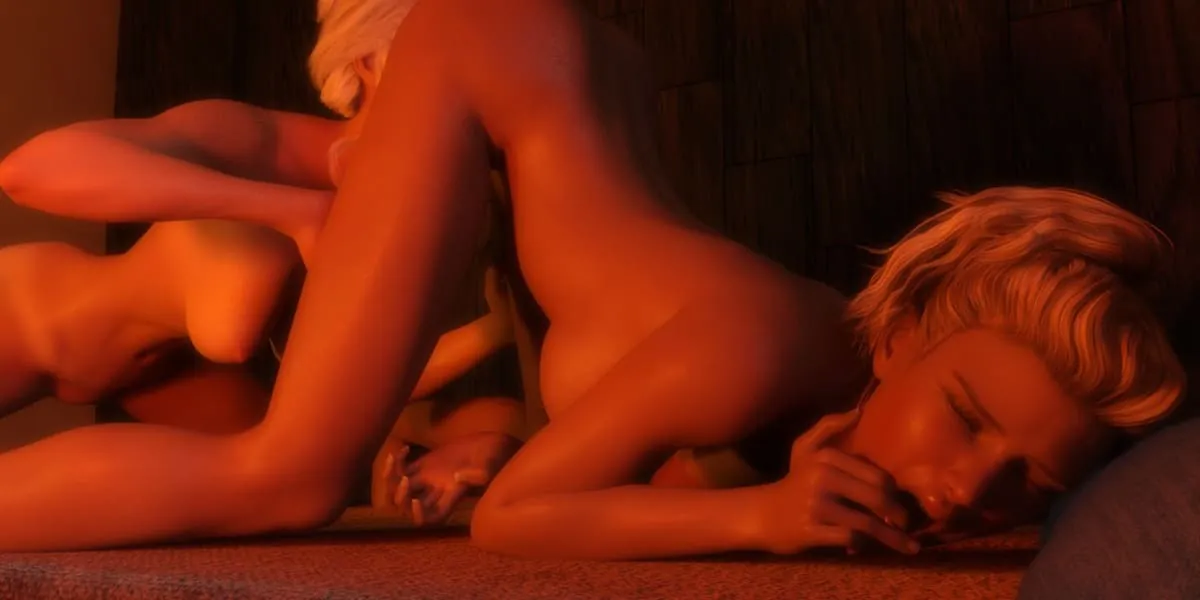
Tainted Heritage – a.k.a Weird Shit Is Going to Happen Screenshots
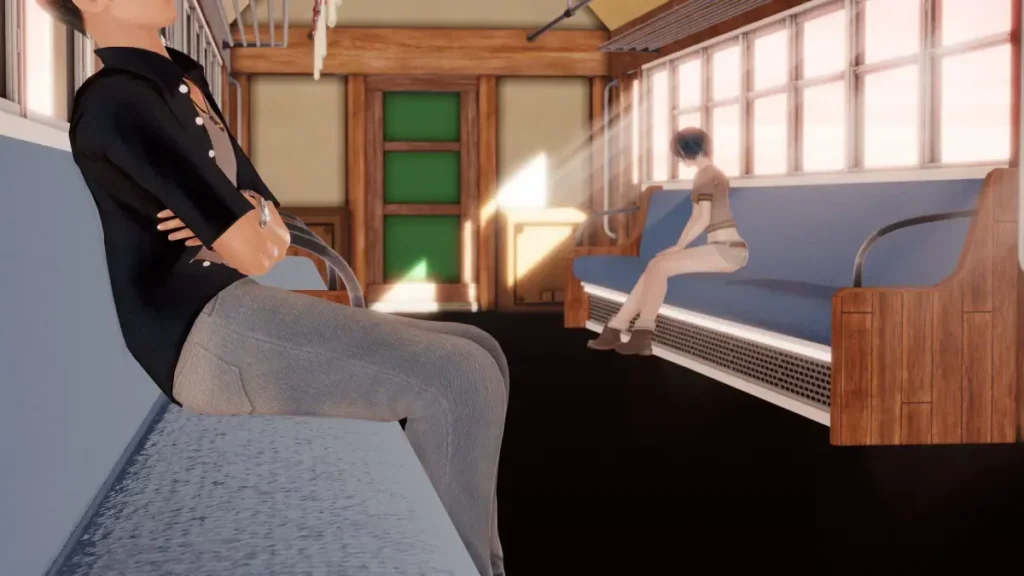
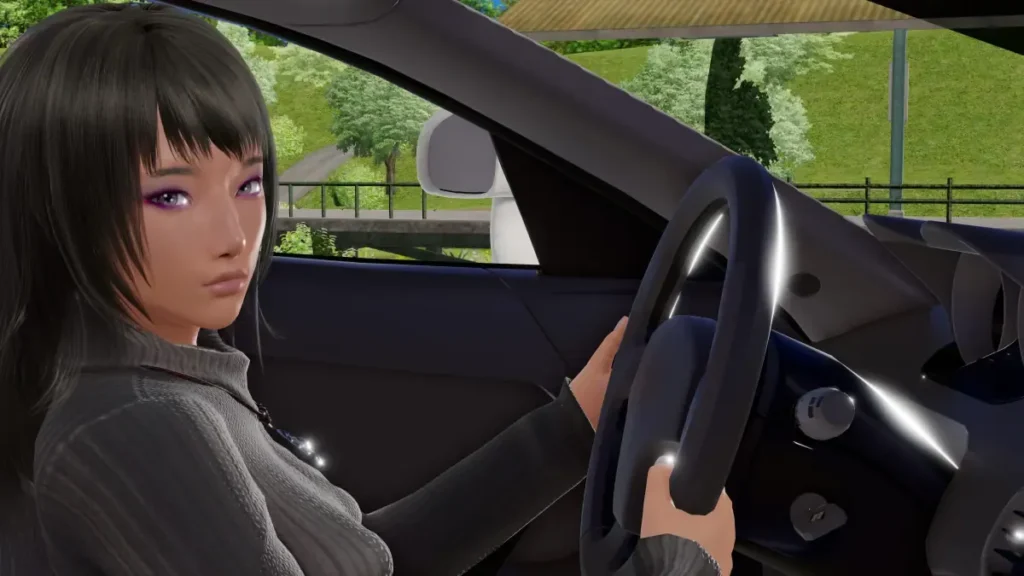
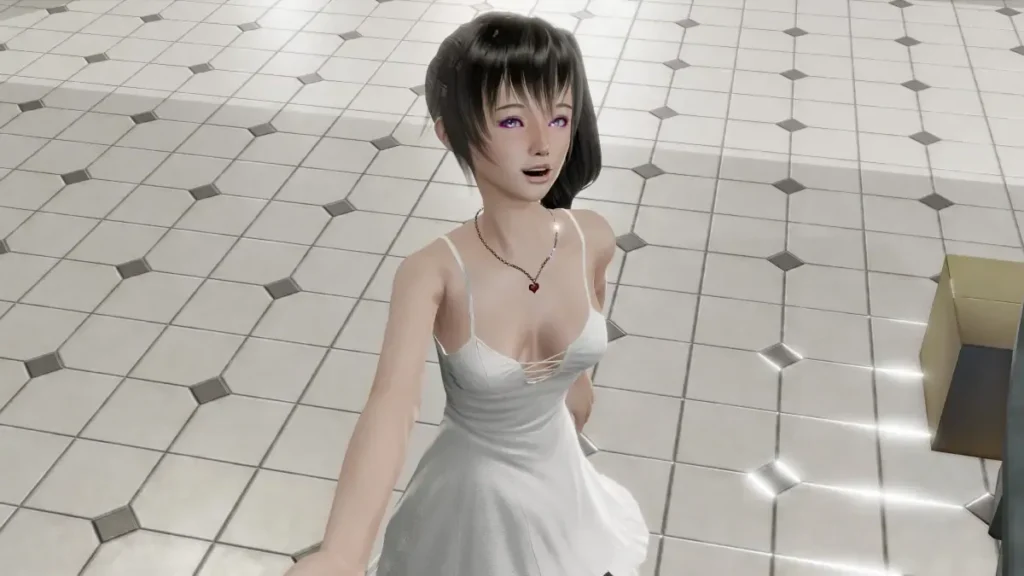
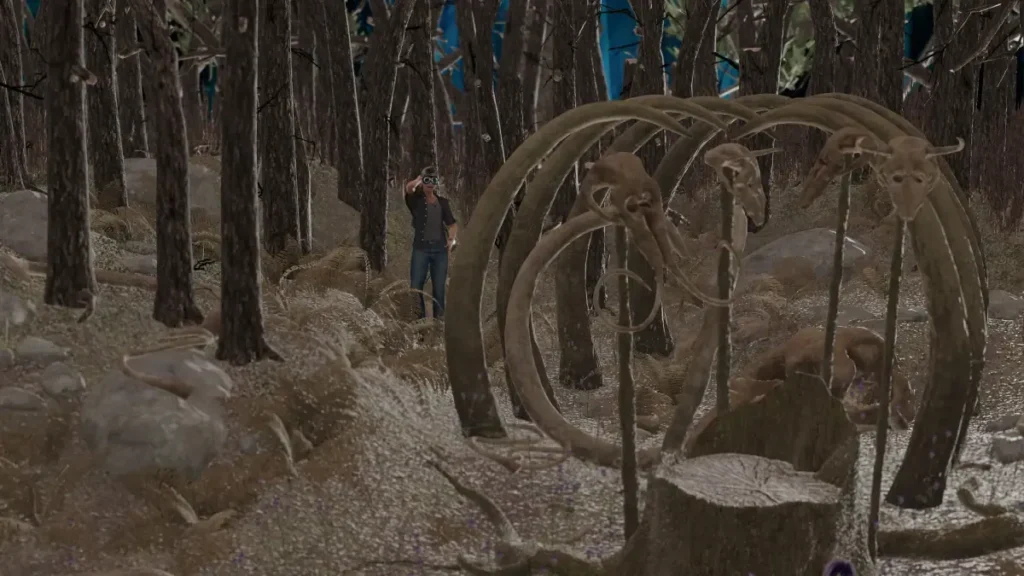
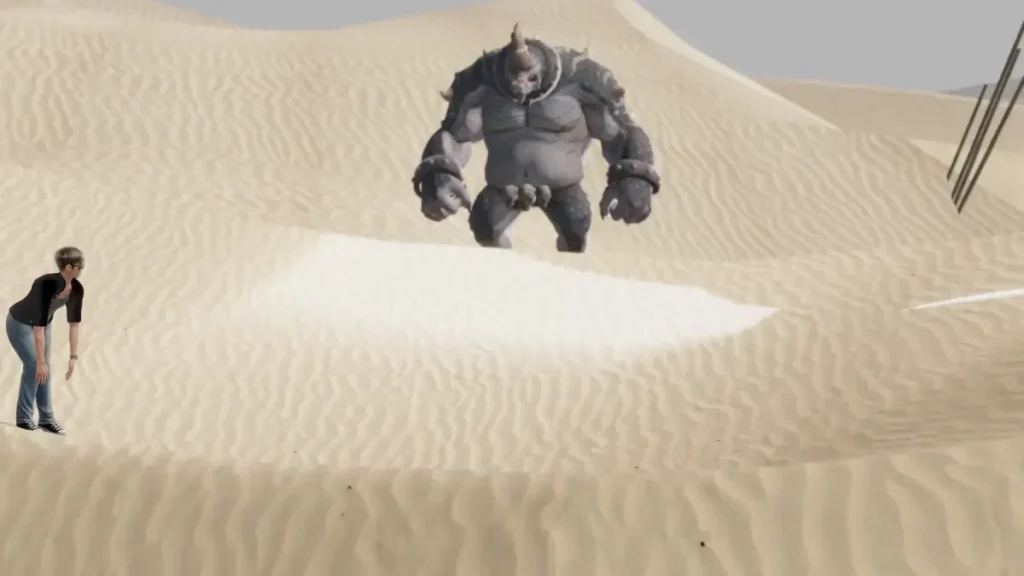
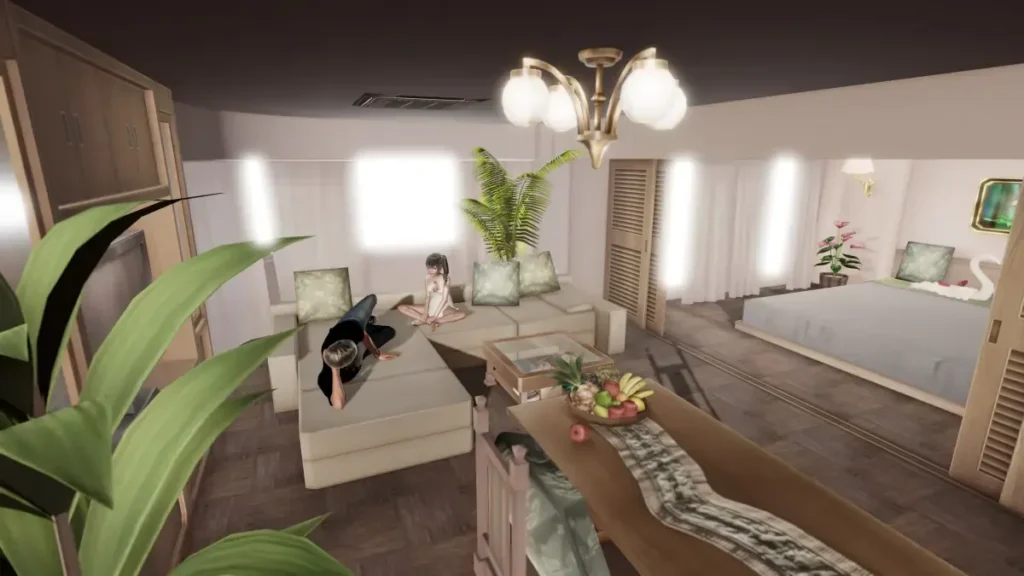
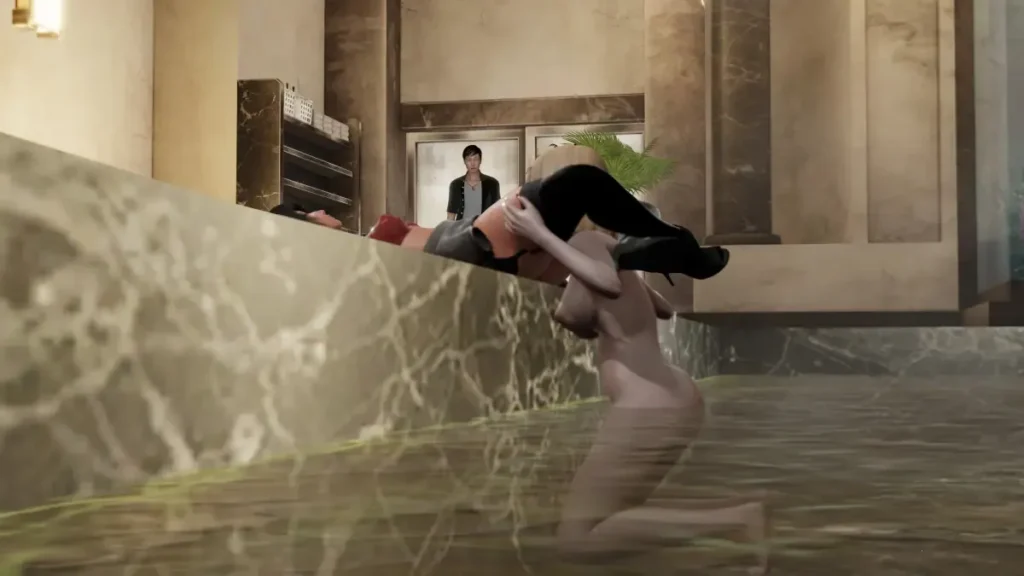
Tainted Heritage – a.k.a Weird Shit Is Going to Happen review
Exploring the Narrative, Gameplay, and Unique Features of This Unconventional Experience
Tainted Heritage stands out as an unconventional gaming experience that blends narrative depth with unexpected gameplay mechanics. This game has garnered attention from players seeking something different from mainstream titles. Whether you’re curious about the storyline, character interactions, or the overall gaming experience, understanding what makes Tainted Heritage distinctive can help you decide if it’s worth your time. This guide explores the key aspects of the game, from its core mechanics to its narrative structure, giving you a comprehensive overview of what to expect.
Understanding Tainted Heritage: Game Overview and Core Mechanics
Let me tell you about the time I spent an entire evening in Tainted Heritage – a.k.a Weird Shit Is Going to Happen trying to console a ghost who was having an existential crisis over a misplaced teacup, only for that choice to completely alter the political landscape of the spectral realm three hours later. 🤯 That’s the magic of this game. It doesn’t just ask you to play a role; it asks you to live inside a beautifully fractured, deeply strange world where every decision, no matter how small, sends ripples through a story you can never fully predict.
This isn’t your standard narrative adventure. From the moment you boot it up, Tainted Heritage declares its intent to be different. It’s a masterclass in unconventional game design, weaving its peculiarity into the very fabric of its code. The narrative-driven gameplay experience here is paramount, but it’s supported by mechanics that are just as inventive and integral to the story being told. You’re not just watching a weird tale unfold—you’re actively participating in its glorious, messy construction.
What Makes Tainted Heritage Different From Other Games
Most games give you a sword, a gun, or a set of platforming skills and set you loose. Tainted Heritage gives you a suitcase full of emotional baggage, a fragmented memory, and the ability to “listen” to the emotional residue left on objects. 🧳👂 The core difference is one of priority. Where many titles prioritize combat or skill-based challenges, this experience places understanding and connection at the forefront.
Its unique positioning is as an “empathy-driven puzzle box.” You solve situations not with logic or reflexes alone, but by piecing together the emotional histories of characters, locations, and even inanimate objects. The dedicated audience it has attracted are players hungry for something that feels genuinely new—those tired of familiar formulas and craving a story that respects their intelligence and rewards deep engagement over quick reactions.
To give you a quick snapshot before we dive deeper, here are the core specs:
| Category | Details |
|---|---|
| Primary Genre | Narrative Adventure / Experimental |
| Key Feature | Empathy-based interaction & narrative consequence |
| Platforms | PC (Steam, Itch.io) |
| Estimated Playtime | 8-14 hours for a single playthrough |
| Content Notes | Psychological themes, mature narrative, surreal horror elements |
The development philosophy is strikingly clear: the story is the gameplay, and the gameplay is the story. There’s no artificial separation. This holistic approach creates a sense of immersion that’s hard to shake. You’re not playing through a story; you are inhabiting it, with all the confusion, wonder, and responsibility that entails.
Core Gameplay Mechanics and How They Work
Let’s peel back the layers of the Tainted Heritage game mechanics. Forget health bars and experience points. Your primary resources here are Attention and Resonance. 🧠💓
-
The Echo Sense: This is your main tool. By focusing on objects or people, you can perceive “Echoes”—emotional imprints of past events. A bloody knife might hold an Echo of fear and rage, but also a sliver of regret. A child’s toy could radiate pure joy, layered over with a later Echo of loneliness. Reading these Echoes isn’t just lore collection; it’s gathering vital clues about character motivations and past traumas that you can use in conversations.
-
Dialogue as a Construction Site: Conversations are not about picking the “good” or “bad” response. Instead, you build your replies from Fragments you’ve collected. These Fragments are phrases, memories, or insights gained from exploring Echoes. Seeing a character’s hidden grief in an Echo might give you the “Fragment of Shared Sorrow,” allowing you to offer genuine compassion in a later talk. This turns every dialogue into a unique puzzle, deeply tying the Tainted Heritage gameplay features to your exploration.
-
The State System: Characters and locations don’t have fixed moods. They exist in emotional “States”—like Veiled Hostility, Melancholic Reflection, or Fragile Trust. Your actions and dialogue choices directly shift these States. Calming a furious spirit might change a room’s State from Haunted Anger to Quiet Mourning, which then unlocks new Echoes to perceive and new paths to walk. This creates a dynamic, reactive world.
My personal “aha!” moment came when I realized I wasn’t just solving puzzles; I was solving people. I spent a long time stuck because I was trying to logic my way past a guardian spirit. The solution wasn’t in a hidden key or a coded password. It was in finding the Echo of its lost child on a forgotten doll in the attic, and using that Fragment to speak to its grief, not its duty. The barrier didn’t vanish—it crumbled into sorrow, and then into gratitude. That’s the narrative-driven gameplay experience in a nutshell.
Progression is measured in revelations, not levels. As you untangle the central mystery of your own Tainted Heritage character development and that of the sprawling, dysfunctional family you’re investigating, you unlock deeper layers of your Echo Sense. You might start by seeing only strong, recent emotions, but eventually perceive complex layers and even trace the “emotional lineage” of an object through decades.
Story Structure and Narrative Progression
The Tainted Heritage story and narrative is a fragile, branching thing, like a glacier constantly calving new icebergs. 📖🧊 There is no single, linear plot. Instead, you have a central mystery—the truth behind a family tragedy and your connection to it—surrounded by a constellation of character arcs, sub-mysteries, and thematic threads.
You choose which threads to pull on, and in what order. Do you spend your first day investigating the reclusive aunt in the west wing, or cataloging the strange flora in the poisoned garden? Each path reveals different Echoes, different Fragments, and paints a different version of the overall truth. The game’s structure is inherently replayable because of this, but more importantly, it makes your first playthrough feel uniquely yours. The Tainted Heritage game length and playtime of 8-14 hours reflects a single, focused journey through this web, but to see all the connections could take 25+ hours.
The narrative progression is gated by emotional understanding, not physical keys. You cannot access the sealed basement until you understand why it was sealed—not the factual reason, but the collective emotional trauma that necessitated it. This requires engaging with multiple characters, reconciling their conflicting Echoes, and often helping them heal just enough to reveal the next piece of the puzzle.
A Tip from My Playthrough: Don’t rush to “fix” everyone. Sometimes, the most powerful narrative progression comes from simply acknowledging a character’s pain without trying to solve it. This can build a deeper, more trusting bond that pays off later in unexpected ways.
Let’s look at a concrete example of how choices weave into this system.
Example: The Gardener’s Dilemma
Early on, you meet Elara, the family gardener, who is fiercely protective of a blighted rose bush. Using your Echo Sense, you might discover two key Fragments:
1. A Fragment of Guilt on her trowel, tied to a past accident.
2. A Fragment of a Promise on a locket near the roses, tied to a lost sibling.
In conversation, you can choose which Fragment to use.
* If you use the Fragment of Guilt, you might confront her. This could shift her State to Defensive Agitation, getting you a quick, harsh truth about the accident but permanently closing off her personal storyline. The roses might wilt, changing the garden’s State to Blighted Remorse.
* If you use the Fragment of a Promise, you speak to her loss. This might shift her State to Wistful Sharing. She may confide that the roses were her sibling’s project, and she’s keeping them alive out of love. This opens a quest to find her sibling’s old research notes elsewhere in the manor. The garden’s State might become Tended Memory, revealing new, gentle Echoes you couldn’t hear before.
This one choice doesn’t just change a line of dialogue. It alters a character’s entire arc, changes the emotional atmosphere of a major location, and unlocks or locks away entire avenues of investigation. This is how Tainted Heritage character development is directly driven by you, the player. Characters evolve based on how you choose to see and engage with their inner worlds.
The game masterfully integrates its weirdest elements—the psychic echoes, the talking portraits, the rooms that change size based on mood—not as random shocks, but as extensions of this emotional reality. The surreal horror isn’t about jump scares; it’s about the horror of repressed memory, the grotesque shape of inherited trauma, and the weird, shifting reality of a place where too many intense emotions have been poured into the foundations.
In the end, Tainted Heritage – a.k.a Weird Shit Is Going to Happen offers an experience that lingers. It’s a game about listening, in every sense of the word. Its estimated playtime is a journey into a deeply human, albeit bizarre, tapestry of feelings and secrets. It forges a powerful balance where the story is the gameplay, and every mechanic exists to serve that story. If you’re ready for a challenge that resides not in your reflexes but in your empathy and perception, this unconventional masterpiece is waiting to pull you into its unforgettable, tainted world. ✨
Tainted Heritage represents a unique approach to game design that prioritizes storytelling and character development alongside gameplay mechanics. The game’s commitment to narrative depth, meaningful character interactions, and unconventional design choices sets it apart in a crowded gaming landscape. Whether you’re drawn to innovative storytelling, complex character relationships, or simply looking for something different from mainstream gaming experiences, Tainted Heritage offers a distinctive experience worth exploring. If you’re considering diving into this game, approach it with an open mind and appreciation for experimental game design. Share your thoughts and experiences with the gaming community to help others discover whether this title aligns with their interests.