
Star Periphery
Play Star Periphery
Star Periphery Screenshots








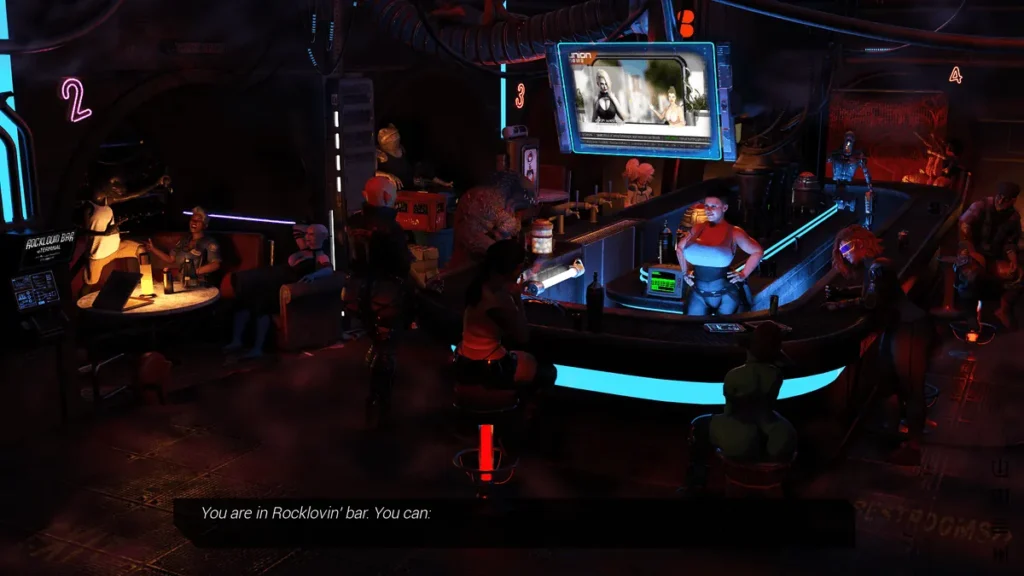
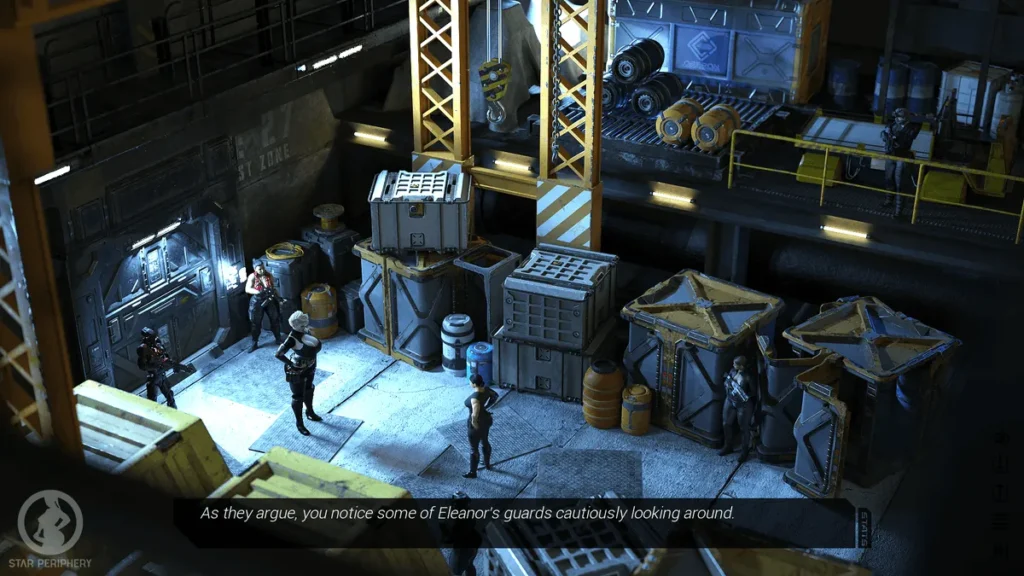
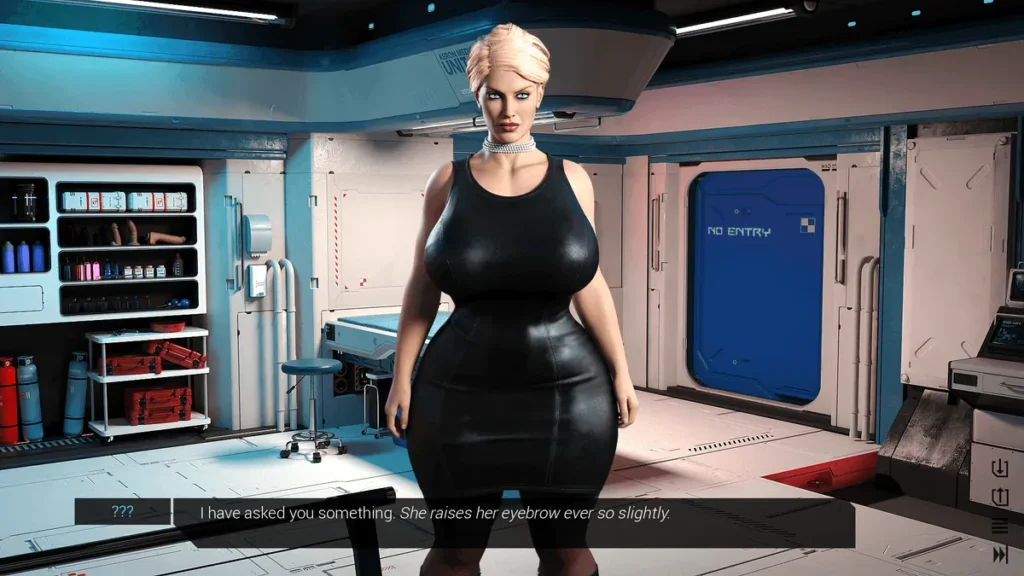

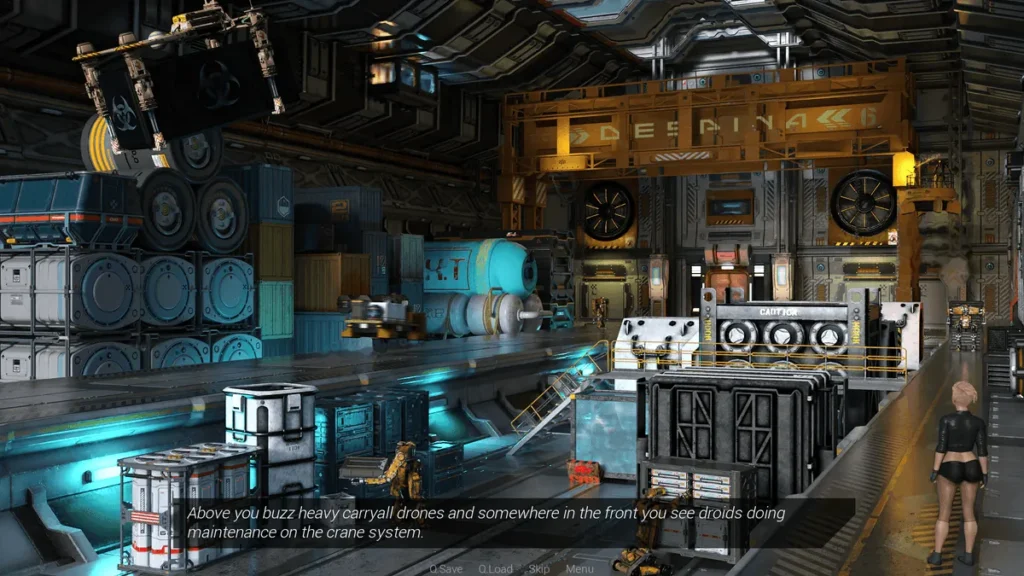

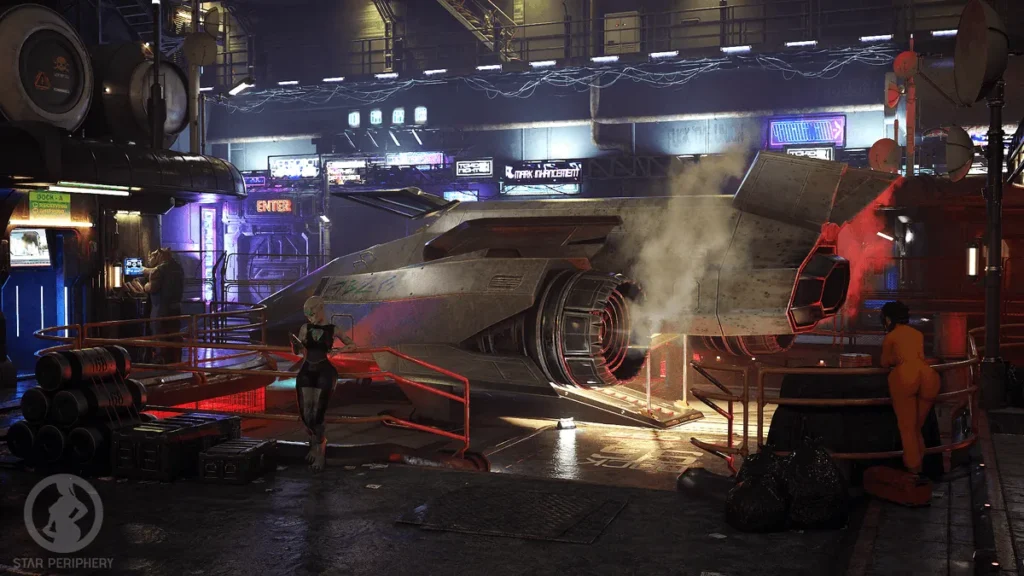
Star Periphery review
Explore Command Systems and Mature Space Adventures
Imagine commanding vast fleets across the cosmos in Star Periphery, where every decision blends intense strategy with thrilling mature encounters. This game isn’t your standard space sim—it’s a bold redefinition of adult gaming, layering multi-faceted command systems over expansive galaxies. I first dove into Star Periphery during a late-night session, hooked by how it masterfully fuses tactical depth with immersive narratives. Whether you’re building empires or navigating steamy interstellar plots, this guide uncovers everything you need to dominate. Stick around as we break down the core mechanics, strategies, and tips that turned my playthroughs into epic victories.
What Makes Star Periphery a Game-Changer?
I still remember the first time my scout ship jumped into the uncharted Lyra Sector. My sensors were pinging with unknown signals, my fuel was at 45%, and I had three different faction ambassadors demanding my attention. I was utterly hooked. This wasn’t just another space game; it was a complex, living galaxy that demanded more than just tactical clicks. That moment of thrilling, overwhelming possibility is the heart of Star Periphery gameplay. If you’re tired of shallow conquest sims and crave a universe where every choice has weight, you’re in the right place. This isn’t just a guide—it’s your entry point into a definitive mature space strategy experience.
So, what is Star Periphery? At its core, it’s a galaxy-scale strategy simulation where you build an empire from a single station. But to call it just “space empire building” is a massive understatement. It’s a deep narrative sandbox where diplomacy can be as sharp as a plasma cutter, where resource lines are lifelines, and where the stories that unfold are shaped by mature, consequential decisions. This Star Periphery guide will break down exactly what makes it a game-changer.
How Star Periphery Redefines Mature Space Strategy 🚀
Most space games treat the universe as a pretty backdrop for combat. Star Periphery flips that script. Here, the periphery—those unexplored, lawless regions—isn’t just empty space to color in on a map. It’s the main character. It’s where fortunes are made and lost, where ancient secrets are buried, and where your moral compass will get its truest test.
The “mature” in its mature space strategy label doesn’t just refer to thematic content (though that’s present); it refers to the maturity of its systems and the expectations it places on you, the commander. You’re not a hero in a predefined story. You’re a power broker, a diplomat, an explorer, and sometimes a tyrant, navigating a galaxy filled with other entities who have their own complex agendas. A trade dispute with a mining guild can escalate into a sector-wide cold war. Choosing to aid a fleeing refugee ship might unlock a unique technology branch, but also permanently sour relations with a powerful hegemony.
The Star Periphery gameplay loop is a beautiful, relentless cycle: Explore the risky peripheries for resources and relics 👉 Manage your growing empire’s economy and internal politics 👉 Engage in diplomacy or warfare to secure your position 👉 Unlock narrative events that change the galactic landscape. Rinse and repeat, but never the same way twice. Your empire’s identity is forged in these loops. Will you be a meritocratic republic, a ruthless corporate state, or a mystical cult uncovering galactic truths? The systems support it all.
Key Command Systems Explained ⚙️
This is where Star Periphery truly separates itself from the pack. Forget a single hotkey bar. Your control is exercised through layered Star Periphery commands that function like a real admiralty’s command hub. You don’t just command ships; you orchestrate a civilization.
The first layer is Fleet & Logistical Control. This is your direct tactical interface. You can set elaborate patrol routes, establish automated trade convoys, and issue conditional orders (“If hostile forces enter this asteroid field, retreat to this beacon”). It feels less like clicking units and more like programming the nervous system of your empire.
The second, and arguably more critical layer, is the Imperial Policy Suite. This is your strategic brain. Here, you allocate resources across sectors, set research priorities, establish diplomatic stances (e.g., “Xenophilic” or “Mercantile Isolationist”), and enact edicts that affect your entire populace. A “War Economy” edict might boost ship production by 30% but slowly drain civilian happiness. This is the essence of space empire building—making the big, painful choices that ripple across star systems.
The final layer is the Narrative Interaction Console. When a mature-themed event triggers—say, a plague outbreak on a frontier world or a political assassination within your council—you don’t get a simple “A or B” pop-up. You get a detailed briefing and access to a suite of commands. You can order your science division to study the plague, command your intelligence agency to frame a rival faction, or direct your media corps to shape public opinion. Your chosen commands directly write the next chapter of your story.
To see how this scales, let’s compare the journey from a basic commander to a galactic power:
| Feature | Basic Command Strategy | Advanced Command Strategy | Benefits of Mastering It |
|---|---|---|---|
| Fleet Movement | Manually selecting a fleet and right-clicking on a destination. | Creating a standing “Rapid Response” fleet with automated orders to reinforce any system under attack within 3 jumps, prioritizing based on colony value. | Frees you for grand strategy while your borders defend intelligently. Essential for managing large empires. |
| Resource Management | Manually sending mining ships to rich asteroids when you notice your income dipping. | Using the Sector Governor commands to set automatic resource collection quotas, with surplus being shipped via protected convoys to your core industrial worlds. | Creates a self-sustaining economic engine. Your empire grows efficiently even when you’re focused on exploration or war. |
| Diplomatic Engagement | Accepting or rejecting treaty offers as they come in. | Using the multi-layer diplomacy commands to initiate a strategic trade pact (layer 1), while secretly running an intelligence operation to steal technology from the same faction (layer 2), and using your media to paint them as untrustworthy to your people (layer 3). | Allows for complex, realpolitik maneuvering. You can be both ally and adversary, manipulating the galactic stage to your advantage. |
| Mature Event Triggers | Choosing a simple option from an event pop-up (e.g., “Quarantine the Planet”). | Intervening with a specific chain of commands: First, deploy medical corps (Science Command). Then, impose martial law (Military Command). Finally, authorize a controversial “volunteer” program for vaccine testing (Civil Command), each choice unlocking different long-term consequences. | Transforms scripted events into personalized stories. Your specific approach to crises becomes a defining legend for your empire, with unique rewards and penalties. |
Why Players Can’t Stop Talking About It 🌌
The magic of Star Periphery is how all these systems collide to create stories you have to tell. The community is bursting with tales of epic comebacks, shocking betrayals, and emergent narratives that feel uniquely personal. I’ll share one of mine.
In one campaign, I was playing a struggling mercenary coalition. A powerful neighbor, the Solarius Covenant, kept demanding tribute I couldn’t afford. Instead of a doomed war, I used my Star Periphery commands creatively. I set my espionage commands to “Sow Dissent” in their outer systems. I redirected my trade commands to create a black market for their restricted goods, undermining their economy. Then, when a “mature” event triggered—a slave revolt on one of their key worlds—I didn’t send guns. I used my diplomatic commands to offer “asylum and citizenship” to the rebel leaders, a move that was purely a propaganda stunt.
The result? The Covenant’s empire fractured from within. Their peripheral systems, destabilized by my actions and inspired by the rebellion, began declaring independence. My small coalition didn’t fire a single shot in a declared war, but we became the dominant power in the sector by being the cunning alternative. That’s the power of Star Periphery gameplay—victory through layers of strategy, not just brute force.
This depth is why players are obsessed. It respects your intelligence and rewards long-term thinking. Every session teaches you something new about its interlocking systems, making the process of learning itself a rewarding part of the mature space strategy experience.
To get you started on crafting your own legends, here are five quick-start Star Periphery tips focused on initial setup:
- Priority One: Secure a Command Hub. Your starting system will have a location that can be upgraded into a Command Hub. Do this immediately. It exponentially increases the range and efficiency of your Star Periphery commands, letting you project power and manage distant sectors much earlier.
- Specialize Your First Colonies. Don’t try to build every structure on every world. Designate planets early as Mining Worlds, Research Outposts, or Foundry Planets. Use the trade commands to link them together into a efficient supply chain.
- Your First Advanced Command: Automated Patrols. Before you expand too far, use the fleet command menu to set up a simple patrol route between your key colonies. This passive defense will handle pirates and give you crucial early warning.
- Engage With One Mature Event Deeply. Early on, you’ll get an event that seems complex. Instead of picking the fastest option, dive into the sub-commands. Experiment and see the branches. The unique rewards from deeply resolving these events are often far more valuable than generic resources.
- Diplomacy is a Resource. Even if you plan to be a conqueror, use early diplomacy commands to establish non-aggression pacts or basic trade. It buys you time to build up without facing a multi-front war. You can always betray them later when you’re stronger—that’s the mature part!
Mastering these Star Periphery tips and the layered command systems is your path from a lonely captain to a true galactic sovereign. It’s a challenging climb, but the view from the top—where every star in your periphery tells a story you authored—is unparalleled.
Ready to dive into the specifics of fleet composition and conquer the stars through sheer force? In the next section of this Star Periphery guide, we’ll break down military strategies, from nimble raider fleets to unstoppable battle formations. The war for the galaxy awaits.
Star Periphery stands out by masterfully blending deep strategy with captivating mature elements, letting you craft empires that feel truly alive. From multi-layered commands to galaxy-altering choices, it’s a game that rewards bold playstyles and keeps you coming back for more campaigns. My own journeys through its peripheries taught me the thrill of turning risky gambles into victories—now it’s your turn. Dive in today, experiment with those command systems, and share your epic tales in the comments. Ready to conquer the stars?