Shut Up and Dance
Play Shut Up and Dance
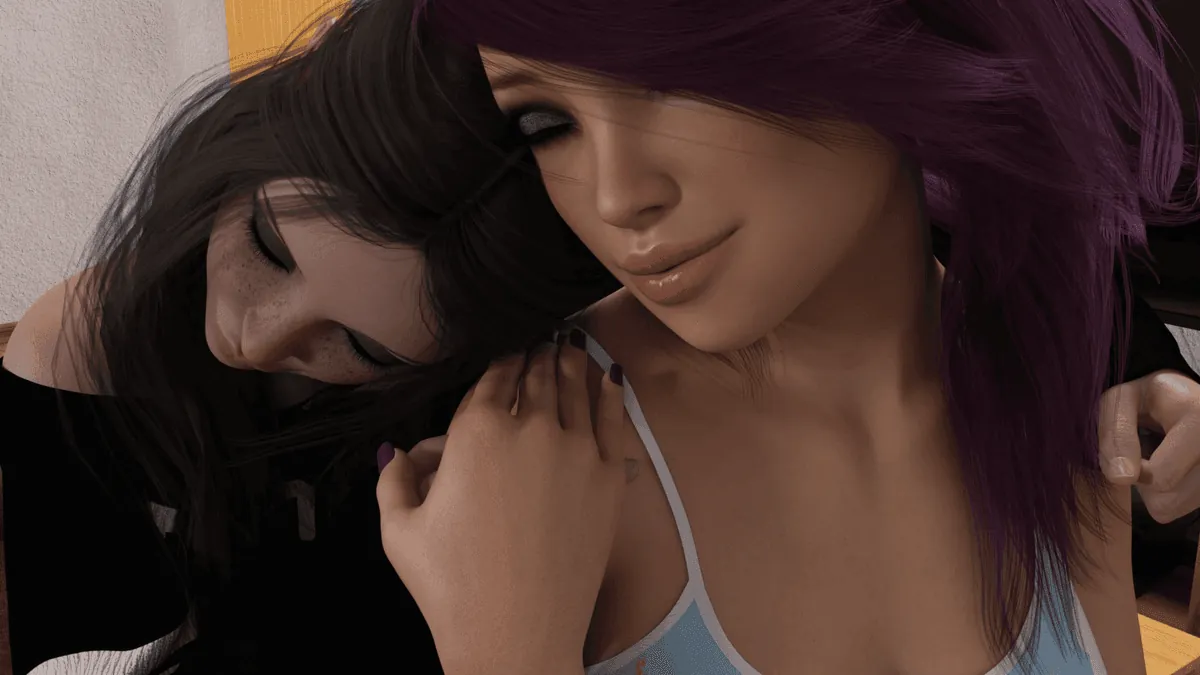
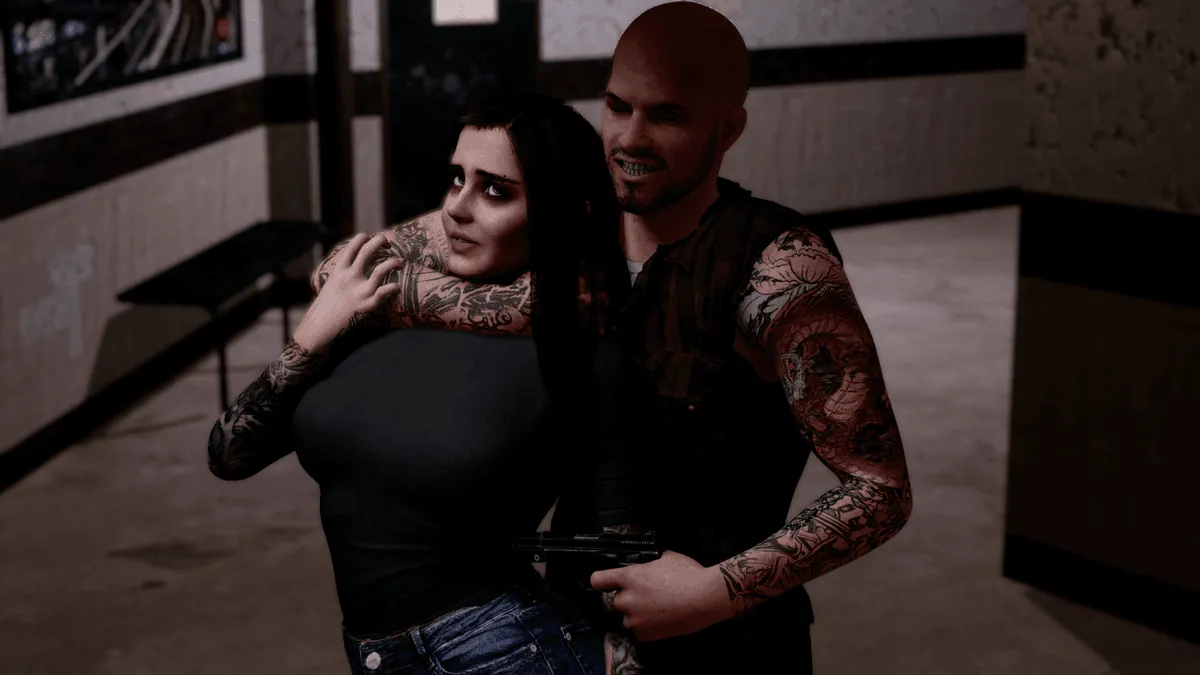
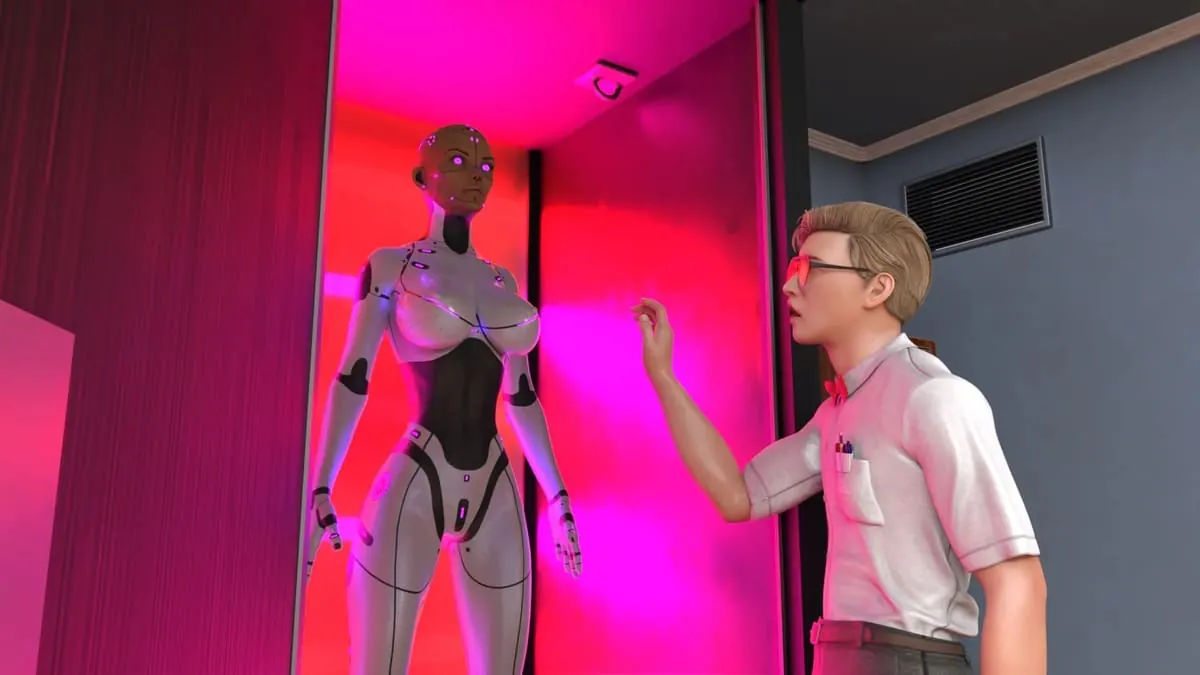
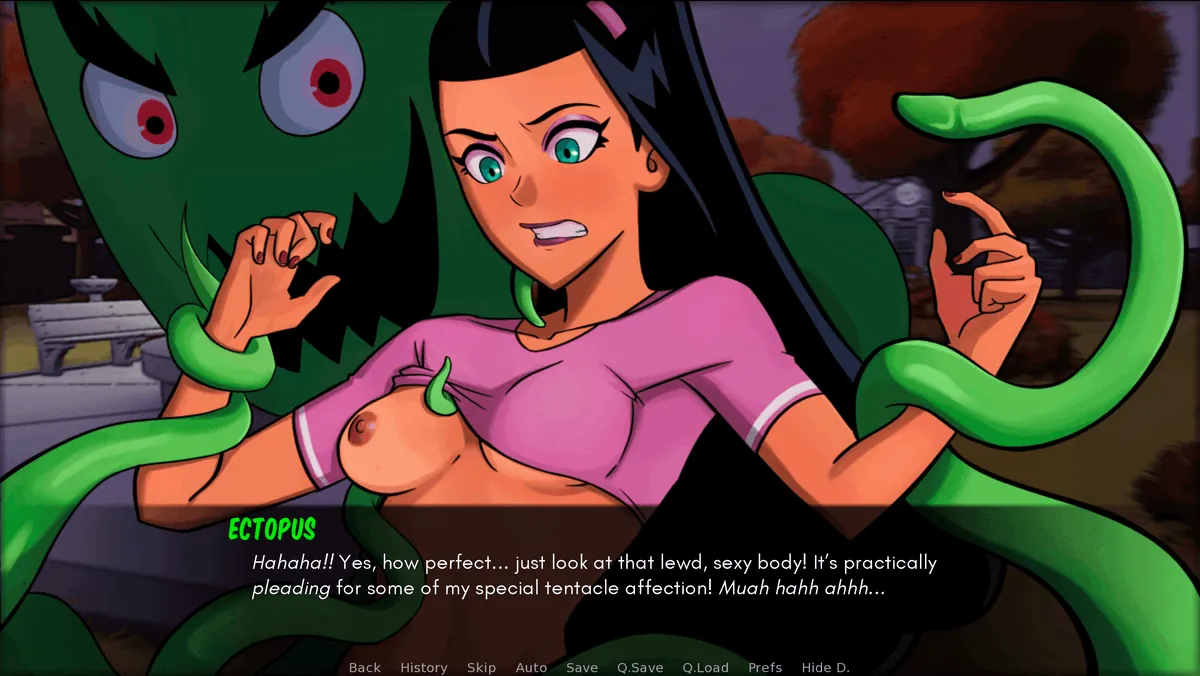
Shut Up and Dance Screenshots
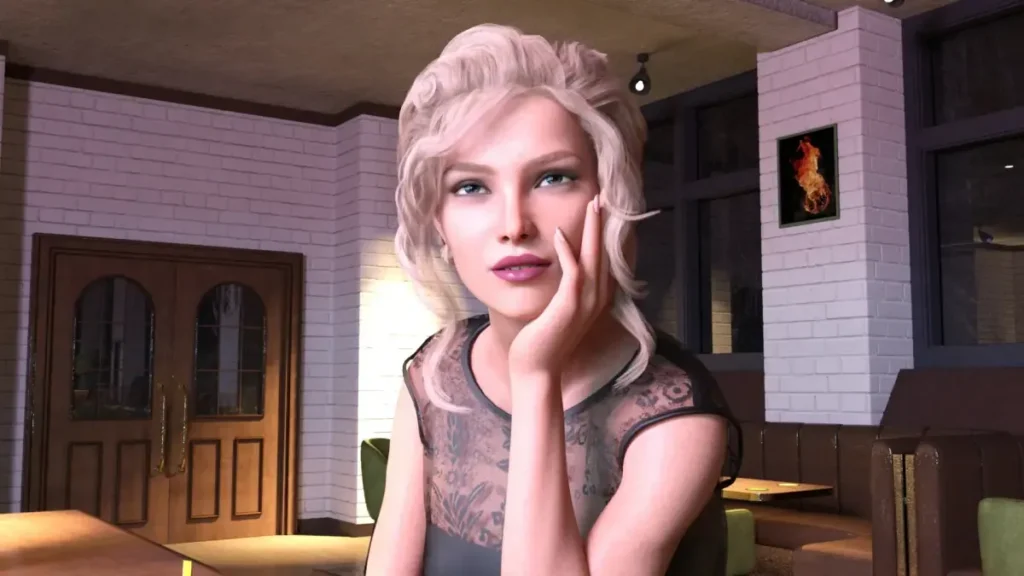
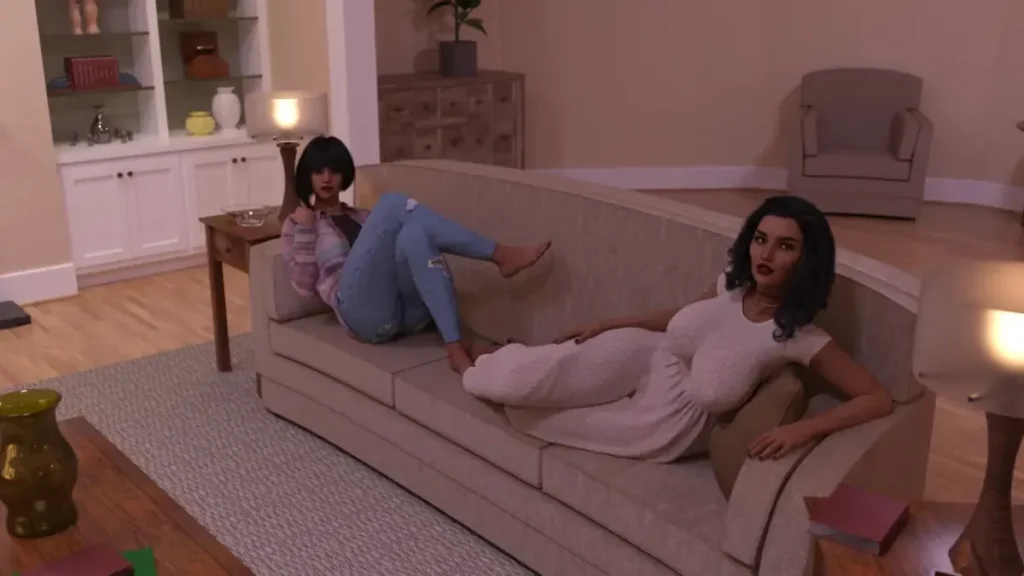



















Shut Up and Dance review
Master every path and decision in this psychological thriller adventure game
Shut Up and Dance is a narrative-driven adventure game that challenges players to navigate complex moral dilemmas and multiple branching storylines. This psychological thriller puts you in control of critical decisions that shape the outcome of the game’s dark narrative. Whether you’re a first-time player seeking guidance or an experienced gamer looking to unlock all paths, this comprehensive guide covers everything you need to know about gameplay mechanics, decision trees, and achieving different endings. Understanding the game’s intricate structure will help you experience all the content this compelling title has to offer.
Understanding Shut Up and Dance: Game Overview and Core Mechanics
Remember that feeling when a game truly gets under your skin? 😳 I do. My first time through Shut Up and Dance, I sat staring at the credits, my hands literally shaking. I’d just spent hours making what I thought were the “right” choices, only to have the game hold up a mirror to my own judgments. It wasn’t just playing a story; it was an experience that lingered for days.
This chapter is your map through that unsettling, brilliant maze. We’re going to break down everything that makes this psychological thriller game a landmark in interactive storytelling. From its deceptively simple controls to the sprawling, consequence-heavy decision tree gameplay, we’ll explore how to navigate—and ultimately master—this unforgettable journey.
What Makes This Game Unique in the Adventure Genre
At first glance, you might slot Shut Up and Dance into a familiar box. It’s a point-and-click adventure, right? You explore environments, pick up items, and talk to characters. But to label it just that is like calling a hurricane a bit of wind. 🌀 This game uses the familiar framework of a narrative adventure game as a trapdoor, dropping you into something far more intense and personal.
What sets it apart is its ruthless commitment to consequence. In many story-driven games, your choices change a line of dialogue or alter a side character’s fate. Here, your choices are the story. There is no “game over” screen followed by a reload. Every action, from the seemingly mundane to the morally colossal, is locked in, weaving directly into the narrative fabric. The choice-based gameplay isn’t a feature; it’s the entire spine of the experience.
The game’s genius lies in its mundane setting. You aren’t a space marine or a fantasy hero. You’re Kenny, a teenager in a very ordinary world. This relatability is the hook. When the initial crisis strikes—a webcam blackmail scenario—your decisions feel visceral because the stakes are framed in a terrifyingly real-world context. The tension doesn’t come from jump scares, but from the slow, dreadful drip of cause and effect. This is a psychological thriller game that weaponizes your own empathy and anxiety, making you complicit in the unfolding drama. You’re not watching Kenny’s descent; you’re steering it.
How Decision-Based Gameplay Works
Forget complex button combos or intricate skill trees. The core mechanic of Shut Up and Dance is your mouse cursor and your conscience. ✋ The narrative adventure game mechanics are elegantly simple: click to move, interact, and make choices. The profound complexity comes from what you choose to do.
The game presents you with constant, often timed, decisions. Do you comply with a demand or try to rebel? Do you show mercy or hostility to someone you meet? Do you tell the truth or lie? Crucially, the game often removes the safety net of obvious “good” or “bad” options. You’re forced to choose between shades of gray, with only your gut to guide you. This choice-based gameplay creates an unparalleled sense of agency—and accountability.
I learned this the hard way. In my first playthrough, trying to be a “good guy,” I made a decision I thought was kind in a late-game encounter. It seemed right in the moment. Hours later, in the story’s devastating finale, that specific “kind” choice was reflected back at me with horrifying new context, completely altering my understanding of everything that had happened. The game had remembered, and it made sure I remembered too.
This is the essence of its decision tree gameplay. Imagine every major choice as a fork in the road. Some forks lead to entirely new locations and characters. Others subtly change character reactions, dialogue options, or even what items are available to you later. A small, early decision can echo hours into the story, closing off some branches while violently forcing others open. It’s a dynamic, living story shaped irrevocably by your input.
Exploring the Game’s Narrative Structure and Multiple Endings
If the gameplay is the steering wheel, the narrative is the treacherous, winding road. Shut Up and Dance doesn’t have a single plot; it has a branching storyline game framework where your path is uniquely yours. While all players experience the same core premise and chilling finale, the journey there—the people you meet, the tasks you perform, your emotional state—can vary dramatically.
This structure is what fuels its incredible replay value. You haven’t truly “finished” this multiple endings game after one credit roll. The final, pivotal scene is technically the same for everyone, but its meaning and emotional impact are entirely dependent on the path you took. Your understanding of Kenny, his motives, and your own role as his puppet-master changes completely based on your actions. One playthrough might leave you feeling pity. Another might fill you with disgust. The game’s truth is multifaceted.
To visualize how these branches work, let’s look at some key junctures. This table outlines just a few of the major decision points and how they can send your story spiraling in different directions. Remember, these often chain together—one path here leads to another set of branches later.
| Key Decision Point | Path A Consequence | Path B Consequence | Impact on Ending |
|---|---|---|---|
| The Confrontation at the Cafe | Defuse the situation calmly. The character may later provide indirect help or information. | Escalate the hostility. This leads to a physical altercation and a permanently hostile relationship, closing off future dialogue. | Alters the “support network” Kenny has (or lacks) in the final act, changing the context of his isolation. |
| The Delivery Task | Follow the instructions to the letter, completing the task efficiently but coldly. | Attempt to subvert or warn the target. This triggers immediate, severe consequences from the blackmailers and a more desperate mid-game. | Directly influences the severity of the “evidence” held against Kenny, affecting the final confrontation’s tension. |
| Interaction with the Coworker | Be honest and apologetic about your strange behavior. | Lie aggressively and defensively. This creates a deeper rift and raises more suspicion. | Changes how the “real world” perceives Kenny’s disappearance, adding layers of regret or paranoia to his journey. |
| The Forest Encounter | Show compassion and cooperate with the other person, sharing the burden. | Act solely in self-interest, taking what you need and leaving them vulnerable. | This is a major branch that significantly alters the moral weight and specific revelations of the finale. |
Building the tension isn’t about quick-time events or chases; it’s about the awful, mounting pressure of these cumulative choices. The game’s pacing is a masterclass in anxiety, with quiet, dialog-heavy moments suddenly ruptured by urgent, timed decisions. You’re never just watching the thriller unfold—you’re constantly on the hook for what happens next. This makes the Shut Up and Dance experience less of a traditional “play session” and more of an emotional endurance test where your own values are the subject. 🎭
To get the most out of this branching storyline game, I recommend a specific approach. First, play completely blind. Let your instincts guide you and accept the consequences. That first, raw playthrough is irreplaceable. Then, for your second run, try to make the opposite major choices. You’ll be stunned by how much new content and perspective you discover. Finally, use a detailed walkthrough to mop up the remaining secrets and see every narrative branch. This three-phase method lets you experience the shock, the analysis, and finally, the full scope of the game’s brilliant design.
Frequently Asked Questions
Q: I’m stuck! Are there any traditional puzzles?
A: Not really. The “puzzles” in Shut Up and Dance are almost entirely about making decisions and dealing with their immediate results. If you’re stuck, it’s likely because you haven’t exhausted all dialogue options or inspected an item in your inventory closely. The solution is always to think about what the blackmailers want and what Kenny is willing—or forced—to do.Q: How long is the game, and how many endings are there?
A: A single playthrough takes about 2-3 hours. But calling it a “multiple endings game” is interesting. There’s really one definitive ending sequence, but its meaning and the player’s understanding of it can have 4-5 major variations based on your key decisions. Seeing all the story branches takes 4-5 full playthroughs.Q: Do my small, casual dialogue choices matter, or only the big ones?
A: They absolutely matter! The decision tree gameplay tracks more than you think. A snarky comment to your sister or a specific way you handle a minor task can change subtle lines of dialogue later, alter character attitudes, and contribute to the overall mosaic of your unique story. Nothing is truly throwaway.Q: Is there a “good” ending? How do I get it?
A: This is the central question the game asks of you. Part of the power of this psychological thriller game is that it refuses to label outcomes as good or bad. Every path leads to a form of ruin; the difference is in the “why” and the “who.” Instead of aiming for a “good” end, aim for an honest one based on your choices, and then be prepared to question them.Q: What’s the best way to see all the content?
A: After your initial blind playthrough, use chapter selection to jump back to major decision points. Make a hard save right before key moments (like the cafe or the forest). This lets you branch out from there without replaying the entire game from the start each time, making it easier to explore the branching storyline game fully.
Ultimately, Shut Up and Dance is more than a game to be completed; it’s a conversation to be had—with the story, and with yourself. Its mastery of narrative adventure game mechanics and devastatingly effective choice-based gameplay creates a space where you are both the author and the subject of a modern digital tragedy. Every path you take, every ending you uncover, adds a new piece to a haunting picture. So take a deep breath, trust your instincts (and then doubt them), and step into Kenny’s shoes. Just be prepared for where they might walk you. 👟🔥
Shut Up and Dance stands out as a compelling narrative adventure game that prioritizes player choice and consequence. By understanding the game’s core mechanics, decision-making framework, and branching storylines, you can fully appreciate the depth of this psychological thriller. Whether you’re experiencing your first playthrough or exploring alternative paths, the game rewards careful consideration of each choice you make. Take your time with decisions, pay attention to character dialogue and environmental clues, and don’t hesitate to replay sections to discover how different choices reshape the narrative. The game’s power lies in its ability to make you question your decisions and explore the moral complexities woven throughout its story. Dive into the game with an open mind, and you’ll discover why this title has resonated with players who appreciate sophisticated, choice-driven storytelling.