
Project QT Screenshots


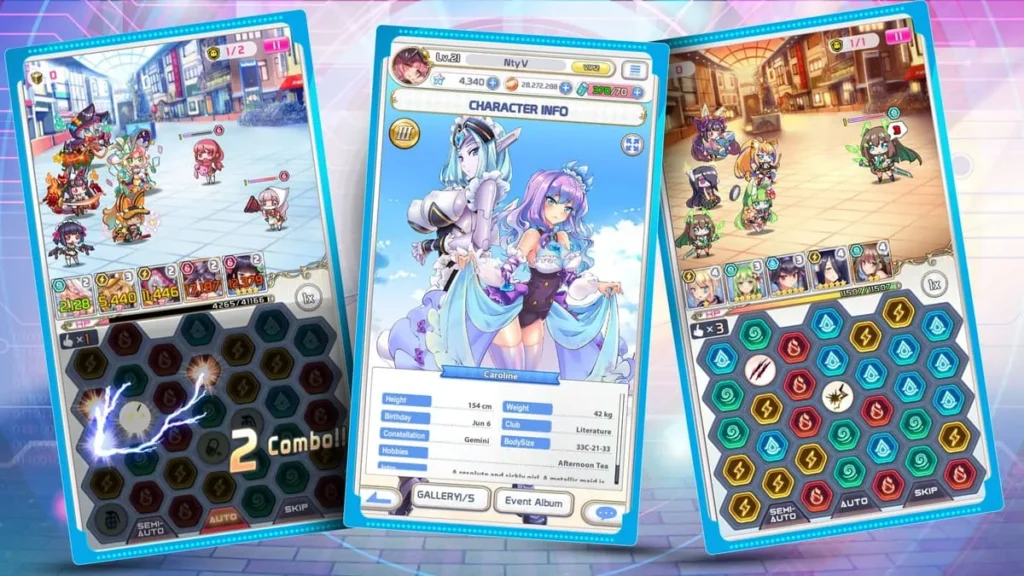
Project QT review
Honest insights, practical tips, and personal experiences with Project QT
Project QT is a mobile strategy and collection-based game that mixes anime-inspired visuals, story-driven progression, and team-building mechanics. Many players search for Project QT because they’ve seen screenshots, heard about its fanbase, or are simply curious what the game actually offers once you start playing. In this guide, I’ll walk you through what Project QT feels like from a real player’s perspective, how the core systems work, and what I wish I had known before investing time into it. You’ll get practical advice, examples from my own playthrough, and clear tips to help you decide whether Project QT fits your style.
What Is Project QT and How Does It Really Play?
So, you’ve seen the ads or heard the name, and you’re wondering: what is Project QT? Is it just another flashy mobile game, or is there something more beneath the surface? 🤔 Let me pull back the curtain. At its heart, Project QT game is a vibrant, anime-styled collection and strategy title where you build a team of unique characters, guide them through story chapters and events, and watch a… let’s call it a “rewarding” narrative unfold. If you love colorful art, gradual team-building, and a mix of puzzle and strategic planning, you’ve clicked on the right guide.
I remember my first login vividly. I was drawn in purely by the polished, charming art style—it’s the game’s undeniable flagship feature. But within minutes, I was hit with a dozen different menus, currency icons, and mission pop-ups. My initial thought was, “Whoa, this is a lot.” I almost closed it, thinking it was just a pretty shell. But then I completed my first few story stages, saw my characters gain a level, and unlocked a tiny, satisfying slice of the main story. That tiny hit of progression, that feeling of “Okay, what’s next?” is what hooked me. It wasn’t just about the visuals; it was about the build.
What kind of game is Project QT?
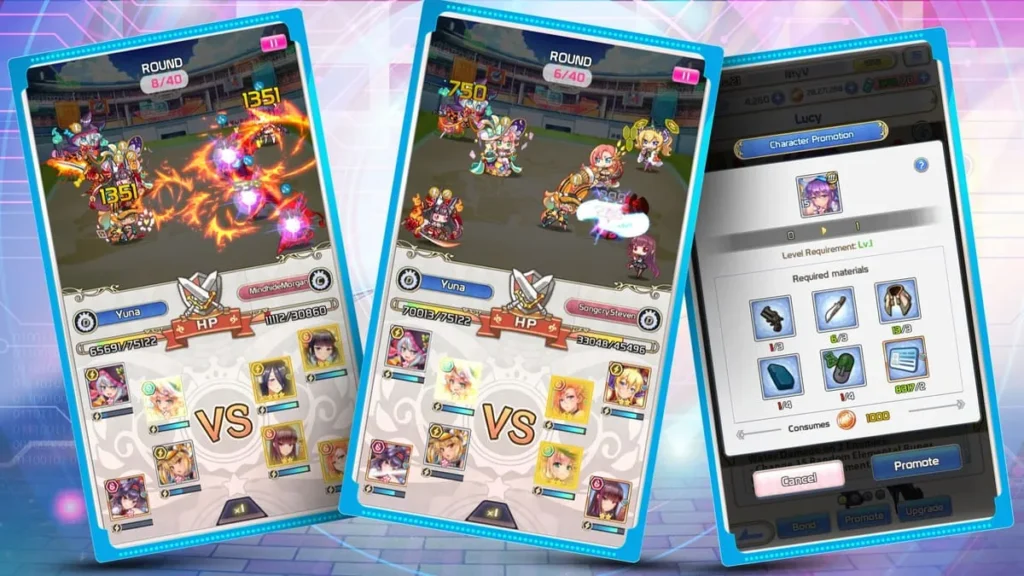
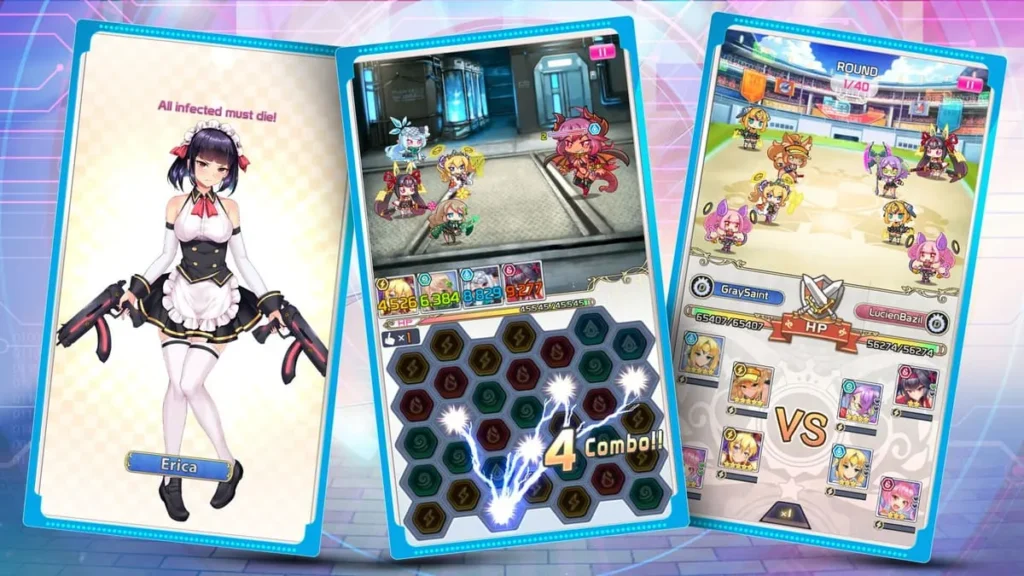
Let’s break it down simply. Project QT is a mobile-first, free-to-play game that combines several genres into one addictive package. Think of it as a team-building simulator wrapped in a light strategy shell, with a core interaction often involving puzzle or board-game-like mechanics to resolve battles or challenges. The primary loop revolves around character collection and optimization.
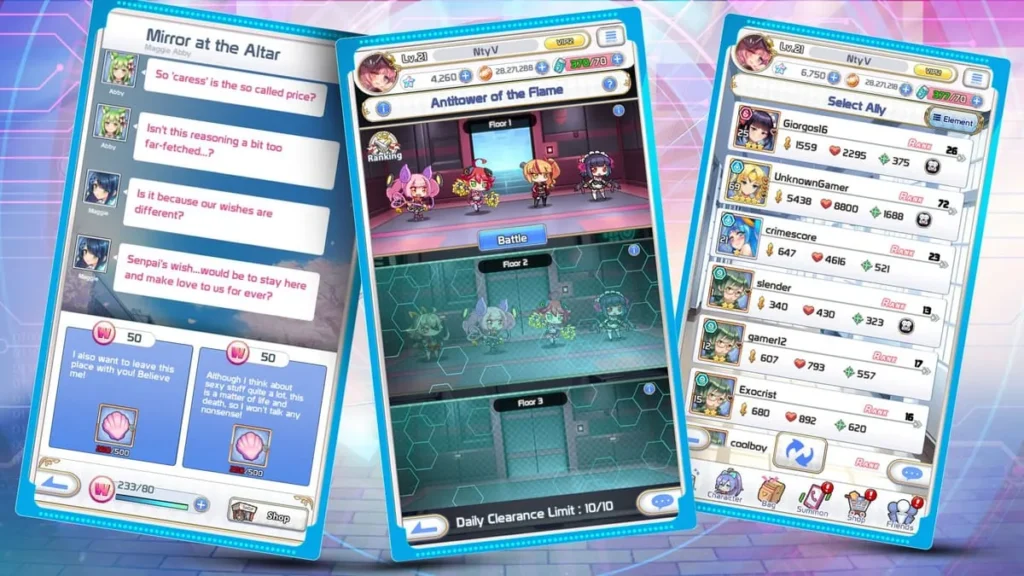
You start with a basic squad and progress through a linear story mode, clearing stages to earn resources, unlock new character fragments, and piece together a larger, character-driven narrative. Beyond the story, there are timed events, special challenge towers, boss fights, and competitive arenas. The overarching goal is to strengthen your roster—your “QT” team—to tackle harder content and collect more characters. It’s a game for players who enjoy the journey of taking a weak team and, through smart resource management and a bit of luck, molding them into a powerful force.
How does the core gameplay loop work?
The Project QT gameplay experience is built on a daily cycle that becomes second nature. It’s designed for consistent, bite-sized engagement rather than marathon sessions. Here’s how a typical day unfolds for most players:
- Login & Daily Rewards: You hop on, claim your daily login bonus, and maybe grab some free gifts from the mail. This instantly gives you a small resource boost. 🎁
- Tackle Story/Event Stages: You’ll spend most of your initial stamina (or action points) on the main story missions or limited-time event stages. Completing these gives you experience, coins, upgrade materials, and sometimes character fragments.
- Complete Daily Missions: The game has a list of simple objectives like “Win 5 Story Stages” or “Enhance a Character 3 times.” Knocking these out grants you additional valuable resources.
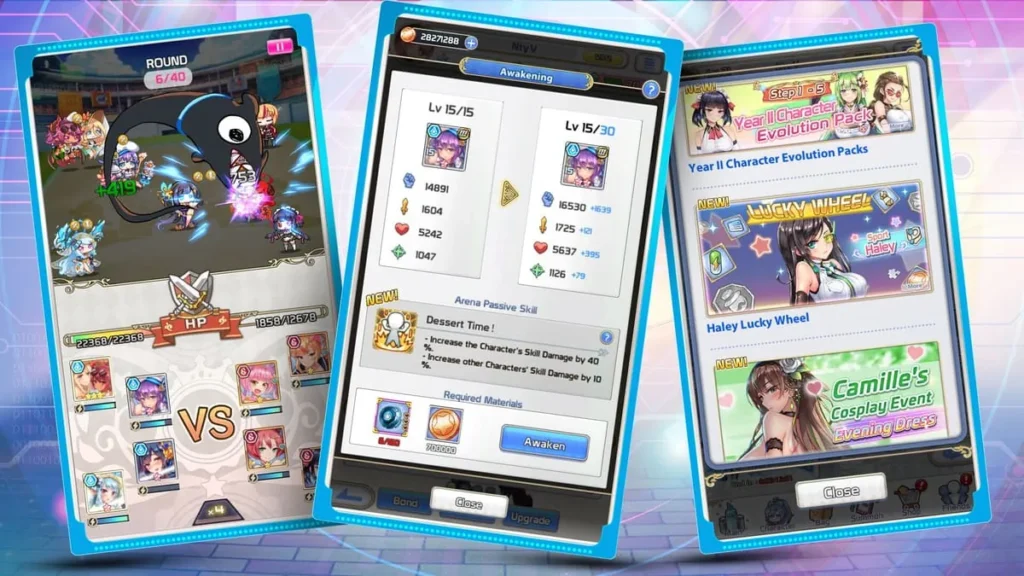
- Manage Your Team: This is the strategic heart. You’ll use the resources you gathered to promote your characters, level up their skills, and perhaps summon new allies using in-game currency.
- Check Events & Modes: You might run a few sweeps in a challenge dungeon, set your team for the arena, or participate in a special seasonal event for exclusive rewards.
- Log-off & Regenerate: Once your stamina is spent and your dailies are done, you can log off. Your resources will regenerate over time, ready for your next session.
This loop repeats daily, but the context changes. One week you’re pushing a new story chapter, the next you’re focused entirely on a holiday event to earn a rare costume. The core actions remain familiar, which is comforting, but the goals keep shifting.
To give you a concrete picture, let me walk you through my literal first day.
My First Session: A Case Study in Curiosity
After the tutorial, I was staring at the home screen—a lively dorm room filled with clickable icons. I felt a bit overwhelmed. I decided to ignore everything except the big “Story” button. I played through the first chapter, which was a breeze. The battle/puzzle mechanics were simple to grasp but showed a hint of strategic depth with element matching. After about 15 minutes, I had enough fragments to summon a new character. The summoning animation was thrilling! She wasn’t the rarest, but she was new, and her art was fantastic. I immediately slotted her into my team, even though she was under-leveled. I spent the next 30 minutes replaying earlier stages to farm just enough resources to get her caught up with the squad. That process—of identifying a goal (strengthening my new character) and directing all my gameplay towards it—was the moment the Project QT game clicked for me. It stopped being a confusing app and started being my team-building project.
Is Project QT worth trying if you’re new to this genre?
This is the million-dollar question: is Project QT worth playing? The answer depends entirely on what you’re looking for. Let’s be honest and break it down.
Who will LOVE the Project QT gameplay?
- Anime Art Aficionados: If visual style is a major draw for you, this game is a feast. The character designs are a major highlight.
- Collectors & Builders: If you get a deep sense of satisfaction from slowly assembling a complete roster and meticulously upgrading each member, you’ll find a lot to love here.
- Strategic Optimizers: Players who enjoy figuring out team synergies, resource allocation, and planning their upgrades over time will be engaged by the meta-game.
- Players Seeking a Consistent Daily Habit: It’s perfect for checking in a couple times a day, making incremental progress, and having a long-term project.
What are the potential friction points?
- The Grind is Real: Progress eventually requires repeating stages to farm materials. This can feel repetitive.
- Randomness in Collection: Getting specific characters you want relies on a summoning system with random outcomes. Patience (or spending) is required.
- Time-Gated Progression: Stamina systems and upgrade timers limit how much you can do in one sitting. This is standard for the genre but can frustrate players who want to binge.
Now, let’s tackle those common new player questions directly.
“Is Project QT only about visuals, or is there real gameplay depth?”
While the art is the initial hook, there is a tangible strategic layer. Later content requires you to consider character elements, skill synergies, and positioning. Managing limited upgrade resources across your team to maximize progress is a constant, engaging puzzle. It’s deeper than it first appears.“How much time does it take daily to feel like you’re progressing?”
You can make meaningful progress in about 20-30 minutes of active play per day. This involves using your stamina and completing dailies. For more competitive players, checking in multiple times to use regenerated stamina or participate in events might extend that. It respects your time while offering more if you have it.“Is it friendly for free players or does it feel heavily pay-driven early on?”
This is a crucial part of any Project QT review. The game is absolutely playable without spending money. The story and early events are designed to be cleared with free units and resources given through login rewards and missions. The pressure to pay comes from impatience—speeding up progress, getting more summoning chances for a coveted character—rather than from hitting an impossible wall. A free player will progress steadily; a paying player will progress faster.
To summarize, here’s a quick glance at the game’s profile and its ideal player:
| Game Feature | What It Means For You |
|---|---|
| Anime-Style Visuals | High-quality, charming character art and animations are a core part of the appeal. |
| Team Building & Collection | The core drive is to gather and strengthen a diverse roster of characters. |
| Puzzle-Strategy Combat | Battles often involve matching or tactical elements beyond simple auto-fighting. |
| Daily Progression Loop | Designed for regular, short play sessions with clear daily goals. |
| Player Type | Will They Enjoy It? |
|---|---|
| The Art & Story Fan | ✅ Yes, the presentation and unfolding narrative are key draws. |
| The Hardcore Competitor | ⚠️ Maybe, but only if they accept the free-to-play pace in ranked modes. |
| The Casual Collector | ✅ Yes, this is the game’s sweet spot. |
| The Impatient Binger | ❌ Probably not, due to stamina systems and time-gated upgrades. |
So, how does Project QT work? It works by offering you a colorful, long-term project. It’s a game about small, daily victories that add up to big roster growth. My final, honest insight? If the idea of casually building a team of beautifully designed characters through strategic planning and occasional puzzle-solving sounds appealing, then Project QT is absolutely worth playing. Give it a few days, push past the initial UI overwhelm, and you might just find yourself, like I did, happily invested in your QT squad’s journey. Think of this as your first Project QT beginner guide: your goal today is just to log in, do the tutorial, and meet your team. The rest will follow naturally. 🎮✨
Project QT can be surprisingly engaging once you understand how its systems fit together and what kind of experience it’s really offering. If you enjoy building teams, watching your squad grow stronger over time, and checking in daily for steady progress, there’s a good chance this game will feel rewarding. At the same time, it’s important to go in with realistic expectations about repetition and resource grinding. Use the insights and tips from this guide to approach Project QT with a clear plan, try it for a few days, and see whether its style, pacing, and progression loop line up with what you personally enjoy in a long-term mobile game.