
Maids and Maidens
Play Maids and Maidens
Maids and Maidens Screenshots











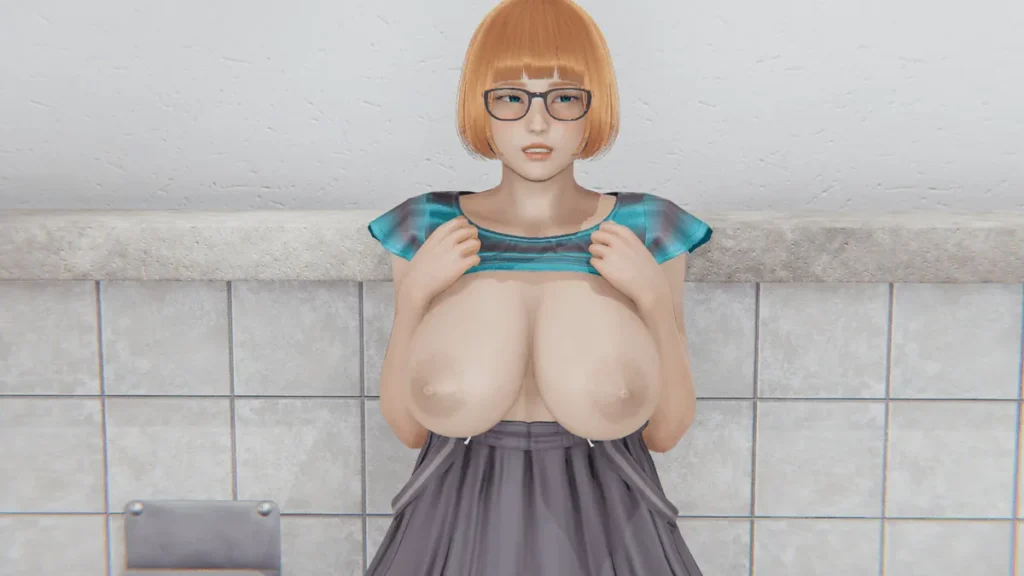
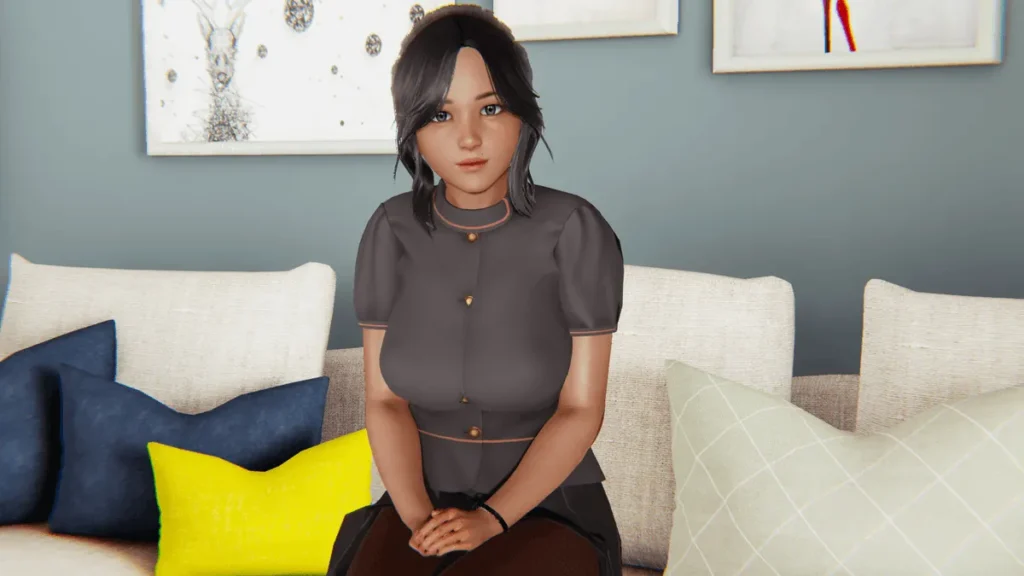
Maids and Maidens review
Explore gameplay mechanics, character development, and story elements in this unique simulation experience
Maids and Maidens stands out as a distinctive simulation game that blends relationship-building mechanics with character progression systems. This guide explores the core gameplay elements, character roster, and unique features that define the experience. Whether you’re new to the game or looking to deepen your understanding of its systems, you’ll discover how the game’s mechanics work together to create an engaging narrative-driven experience. From managing relationships with various characters to understanding the game’s distinctive content features, this comprehensive overview covers everything you need to know about what makes Maids and Maidens a notable entry in its genre.
Understanding Maids and Maidens Core Gameplay Systems
Alright, let’s pull back the curtain on what makes Maids and Maidens tick. 🎮 If you’re diving into this unique simulation, you might be wondering how it all fits together. Is it just about running a manor? Not quite. The real heart of the experience lies in its deeply interconnected character development systems and narrative choices. This isn’t a game you simply play; it’s a world you carefully nurture, where every conversation and decision ripples outwards, shaping lives and stories in profound ways.
Think of the core Maids and Maidens gameplay mechanics as a delicate dance between management, relationship building, and long-term narrative consequences. You’re not just assigning tasks; you’re guiding destinies. From my first playthrough, I was struck by how the game braids its systems together—your management efficiency directly fuels your ability to engage with characters, and those relationships, in turn, unlock new pathways for story and progression. It’s a brilliant, closed-loop design that makes every action feel meaningful.
So, let’s break down these systems, so you can step into your role as the master of the house with confidence and purpose.
How Character Relationships Work in the Game
Forget simple friendship meters. 🫂 The relationship progression mechanics in Maids and Maidens are nuanced, multi-layered, and beautifully dependent on context. This is your essential character relationships guide. Relationships here aren’t just a stat; they are living, breathing dynamics that change based on time, place, your actions, and even the relationships between the characters themselves.
At its core, building a bond is about consistent, attentive interaction. This means:
* Daily Conversations: Talking to a character each day is the baseline. But what you choose to say matters immensely. The dialogue options often reflect different approaches—supportive, authoritative, playful, or pragmatic.
* Gift-Giving: Learning a character’s preferences is key. Giving a liked or loved item can significantly boost rapport, while a disliked gift can create a temporary setback. It pays to observe and listen to their casual comments!
* Shared Activities: Inviting a character to join you in tasks around the manor, or for specific events, deepens your connection in a more natural way than just talking. It’s in these shared moments that some of the most revealing conversations happen.
* Critical Choices: At major story junctures, you will face decisions that permanently alter your relationship path with a character. These are the “point of no return” moments that define whether a relationship becomes platonic, romantic, or something more complex.
I remember in one playthrough, I focused solely on efficiency, treating conversations like items on a checklist. The result? A functional but cold household where no one truly trusted me, and several key storylines remained locked away. It was a stark lesson: the game’s heart is in the quality of interaction, not the quantity.
The game also features a branching relationship system. Your standing with one character can influence how another perceives you. Defending a maid in a dispute might earn her loyalty but raise the suspicion of another. This web of interactions makes the social landscape feel incredibly real and dynamic.
Here’s a practical look at how different characters start and how you might approach their development:
| Character | Initial Relationship State | Key Development Paths & Notes |
|---|---|---|
| Carol | Deeply Trusting (Pregnant) | Your primary charge. The core path focuses on protective care, emotional support, and preparing for the future. Choices affect her mental state and outlook. |
| Elara | Professional & Reserved | The head maid. Bonding requires proving your competence and respect for her domain. Paths can lead to a partnership based on mutual respect or a deeper, more personal connection. |
| Seraphina | Distant & Mysterious | Unlocking her story requires patience and curiosity. She responds to intellectual engagement and discretion. Her path is rich with narrative secrets. |
| Blythe | Energetic & Impressionable | The younger maid. She seeks guidance and approval. Your choices can shape her maturity, leading to paths of disciplined growth or encouraged free-spiritedness. |
Pregnancy and Character Development Mechanics
Now, let’s talk about one of the most distinctive Maids and Maidens features: its approach to narrative consequences and life cycles. The pregnancy system in games is often a superficial stat change. Not here. In Maids and Maidens, it is a profound character development system and a narrative catalyst.
The game begins with a powerful premise: Carol is already expecting. 🤰 This isn’t a hidden mechanic or a random event; it’s the foundational plot point. Your entire role is framed around this reality. Managing her well-being—through rest, nutrition, and emotional support—becomes a primary gameplay pillar. This directly ties your managerial duties (ensuring the manor runs smoothly so she can be cared for) to the core emotional narrative.
Where the system expands is with other characters. Through the course of gameplay, depending on your choices and the depth of your relationships, other maidens can also become pregnant. This is never treated lightly or as a mere “game over” condition. Instead, it is a narrative event that unfolds over time, with its own set of challenges, conversations, and needs.
Pro Tip: The visual confirmation of these pregnancies is strategically reserved for character endings and key later scenes. This builds narrative tension and allows the emotional and logistical consequences to play out before the physical change is shown. Pay close attention to character dialogue and journal entries for subtle hints about their state.
This mechanic is deeply woven into the relationship progression mechanics. The possibility of pregnancy alters the stakes of romantic paths. It introduces new dialogue options, new concerns for characters, and new logistical challenges for you as the master of the house. Will you provide unwavering support? How will it affect the dynamics within the household? These are the questions the game forces you to grapple with.
From a design perspective, this approach elevates the pregnancy system in games from a mechanic to a storytelling device. It’s about responsibility, legacy, and the long-term consequences of intimacy. In one of my playthroughs, a pregnancy storyline led to the most heart-wrenching and beautiful character arc, completely changing my original goal for that save file. It felt earned and significant, a direct result of months of in-game choices.
Progression Systems and Game Mechanics
So, how do you actually move forward? Your game progression guide revolves around two pillars: Story Progression and Manor Development, and they are fed by the same resource: your successful management of relationships and tasks. 📈
The core loop is elegant:
1. Manage Your Daily Routine: Assign tasks to your staff, prioritize repairs and upgrades for the manor, and ensure resources are stocked.
2. Invest Time in Relationships: Use the time and stability earned from good management to talk, gift, and share activities with the characters.
3. Unlock Story Milestones: Deepening relationships triggers key story events and conversations that advance the overarching narrative.
4. Reap Rewards and New Options: Story progression often unlocks new areas of the manor, new activities, or special resources, which in turn allows for better management and deeper relationship opportunities.
The Maids and Maidens gameplay mechanics for progression are satisfyingly non-linear. While there is a main story thread concerning Carol and the manor’s future, the order in which you uncover subplots, resolve character arcs, and even trigger major life events like pregnancies is largely up to you. This creates a highly personalized story every time you play.
Your choices are the engine of this progression. Here’s how they impact different systems:
- Narrative Branching: Major choices create “flags” that determine which scenes, dialogues, and endings are available later. There is no single “good” path, only different stories.
- Character Competence: How you guide and interact with the maids can improve their skills (e.g., gardening, cooking), which makes your manor operations more efficient.
- Manor State: Deciding to spend resources on a character’s personal request versus a crucial roof repair is a classic dilemma. Each choice shapes the physical and emotional environment of your home.
The beauty of these Maids and Maidens features is their interdependence. You can’t max out everything in one playthrough, and that’s the point. You are crafting a specific story. Are you building a secure, traditional future? A nurturing, family-focused home? Or uncovering the mysterious secrets buried in the manor’s past? Your daily actions, big and small, define the answer.
Frequently Asked Questions
Q: Is the pregnancy system avoidable with other characters?
A: Absolutely. It is a direct consequence of pursuing specific romantic relationship paths and making certain key choices within those paths. By choosing different dialogue options or focusing on platonic friendships, you can experience deep, fulfilling character arcs without triggering pregnancy storylines.
Q: How do I know if I’m making progress with a character?
A: Beyond the intuitive feel of conversations opening up, pay attention to unique, personalized events. A character asking you for private advice, sharing a childhood memory, or gifting you an item are clear signs of deepening trust. The game shows progress through narrative beats, not just a number.
Q: Can I recover from a major mistake in a relationship?
A: It depends on the mistake. Small missteps can be overcome with consistent, positive interaction. However, major story choices that betray a character’s core trust are often permanent and will lock you out of certain paths. This reinforces the weight of your decisions and encourages multiple playthroughs.
Q: What’s the best way to manage my time each day?
A: There’s no single best way, which is the fun of it! A good strategy is to always ensure critical manor tasks are assigned first to maintain stability. Then, dedicate the remainder of your time to one or two characters you want to focus on that day. Trying to talk to everyone every day can feel shallow. Depth over breadth is a useful mantra.
Q: Do relationships between the maids themselves change?
A: Yes, they do! While you are the central figure, the maids interact with each other. You’ll witness conversations, disagreements, and bonding between them. Your choices can influence these dynamics—taking sides in an argument, for example, will have ripple effects.
Ultimately, mastering Maids and Maidens is about understanding that every system is connected. The management feeds the relationships, the relationships drive the story, and the story defines your progression. It’s a deeply immersive loop that rewards thoughtful, empathetic play. So, step into your manor, listen closely, and choose wisely—you’re not just playing a game, you’re shaping a world.
Maids and Maidens offers a rich simulation experience centered on character relationships and meaningful player choices. The game’s distinctive approach to character development, combined with its unique narrative elements like the pregnancy system, creates an engaging experience that rewards exploration and experimentation. Understanding the core mechanics—from relationship building to character progression—allows players to fully appreciate the depth of the game’s systems. Whether you’re interested in developing specific relationships, discovering all character storylines, or experiencing the various narrative outcomes, the game provides multiple paths to engagement. As you progress through Maids and Maidens, you’ll discover that your choices genuinely matter, shaping both individual character arcs and the overall narrative direction of your playthrough.