
Long Road Home
Play Long Road Home
Long Road Home Screenshots















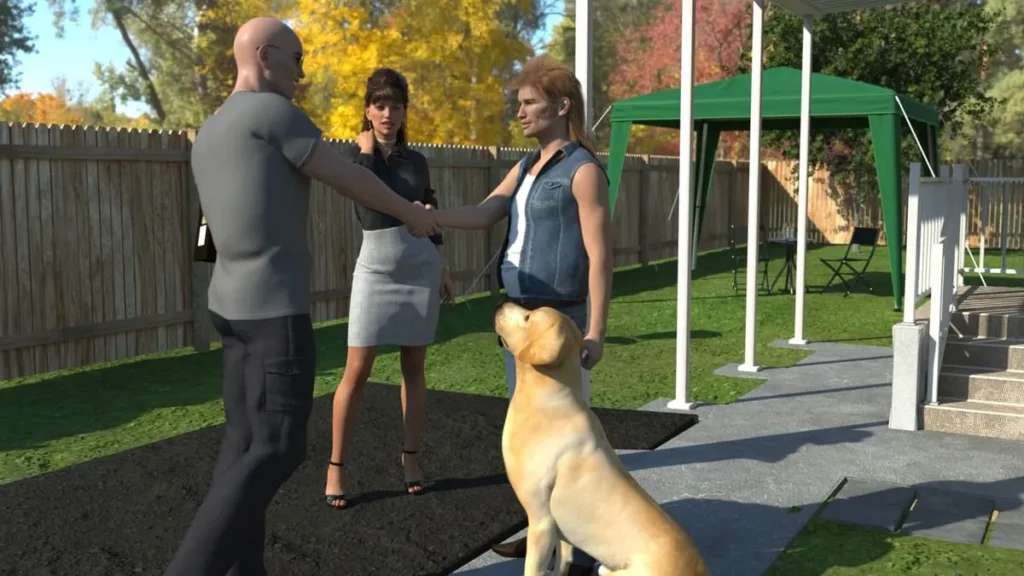










Long Road Home review
Master every choice, unlock all scenes, and navigate the branching storylines
Long Road Home is a choice-driven narrative experience that challenges players to navigate complex relationship dynamics and moral decisions across multiple story branches. With numerous characters, branching paths, and consequence-based outcomes, understanding the game’s decision system is crucial for unlocking all available content. This guide provides detailed walkthroughs, character interaction strategies, and decision trees to help you experience everything the game has to offer. Whether you’re aiming for specific character routes or exploring every possible scenario, you’ll find actionable strategies to maximize your gameplay experience.
Understanding Game Mechanics and Decision Systems
Ever felt that sinking feeling in a narrative game? You make a choice that feels right in the moment, only to realize hours later it closed a door you didn’t even know existed. 😬 I certainly have. In my first run of Long Road Home, I thought I was being a pragmatic survivor, but I ended up utterly alone for the final act, missing out on crucial emotional payoffs and entire story threads. That’s the beautiful, brutal magic of this game’s design. Every conversation, every seemingly minor decision, is a pebble tossed into a pond—the ripples change everything.
This chapter is your map to that pond. We’re going deep under the hood to understand the exquisite clockwork of Long Road Home game choices. By mastering the character relationship system and the invisible variables the game tracks, you’ll move from being a passive passenger to the confident architect of your journey. This isn’t just about finding the “best” ending; it’s about having the tools to intentionally craft the story you want to experience, and systematically uncover every secret the game has to offer. Let’s begin.
How Choices Shape Your Story Path
Forget the illusion of simple “good vs. evil” morality meters. Long Road Home operates on a far more sophisticated and satisfying principle: contextual consequence. Your decisions aren’t just adding or subtracting points from a bar; they’re setting flags, altering character states, and weaving a unique web of cause and effect. The game’s branching narrative walkthrough isn’t a single path with detours—it’s a sprawling network of possibilities.
Think of it like this: you’re not just deciding what to say, but how you’re perceived in that specific moment. Early on, you might encounter a character, Leo, arguing with another survivor over supplies. You have three options:
* Side with Leo.
* Side with the other survivor.
* Suggest a compromise and share.
This seems straightforward, right? But the game isn’t just tracking “Leo +5.” It’s logging:
* Variable Set: Leo_Argument_Resolution = "Supported"
* Variable Check: Leo_Trust_Active = True
* Flag Cleared: Leo_Conflict_Pending
* Consequence: The other survivor, Mara, now has her variable Player_Interference set to True.
That last one is the killer. You won’t see any of this on screen, but days later, when you need Mara’s help with a broken-down car, she might refuse, citing that “you always take Leo’s side.” A decision tree guide for this game would be a massive, intricate thing, because one choice in Day 2 can alter the dialogue options available to you in Day 7, and determine which companion is by your side for a critical event in Day 14.
🧠 My Pro Tip: Don’t play to “win.” Play to define your character. Are they a unifying leader, a ruthless pragmatist, or a conflicted soul trying to keep everyone happy? Commit to a persona, and your choices will create a more coherent and powerful story. You can always use a savvy save scumming strategy later to explore other paths!
The day-by-day structure is crucial here. Time is a resource. Choosing to spend your afternoon scavenging in the old pharmacy might unlock a rare medical item, but it means you miss the heart-to-heart conversation happening back at camp with another character. This timing-based trigger system means there’s no “perfect” playthrough that gets everything. Each run is a unique slice of the possible story.
Character Relationship Tracking and Variables
This is where the magic—and the complexity—really lives. The character relationship system in Long Road Home is its brilliant, beating heart. It’s not a simple “Like/O-Dislike” bar you can max out with gifts. Instead, each major companion has a set of internal Long Road Home variables that represent their emotional state, their trust in you, and their personal history.
These variables are often interconnected. For example, let’s talk about Sam, the weary medic.
* Sam_Trust might range from 0 (Distrustful) to 100 (Confidant).
* Sam_Grief_Status could be Active, Suppressed, or Resolved.
* Sam_Professionalism affects how they react to risky plans.
Your choices directly manipulate these hidden numbers and states. Encouraging Sam to talk about a lost friend might increase Sam_Trust but also set Sam_Grief_Status to Active, making them less effective in a medical crisis later. Dismissing their grief might keep Professionalism high but crater their Trust, locking you out of a deeply personal side-quest where they reveal a critical secret about the outbreak.
Relationship thresholds are key. Reaching, say, Sam_Trust >= 75 AND Sam_Grief_Status = Resolved might unlock a special nighttime campfire scene that completely changes your understanding of the game’s world. This is the core of unlocking hidden scenes. It’s not about clicking every dialogue option; it’s about carefully cultivating a character’s state across the entire journey.
The game is constantly performing checks behind the scenes. When a story beat triggers, it runs a script: “IF Leo_Trust_Active = True AND Player_Shared_Supplies = True, THEN play Scene_A. ELSE, play Scene_B.” This creates those powerful, “How did you get that scene?!” moments between players.
To visualize how early Long Road Home game choices create cascading effects, here’s a look at a few key decision points:
| Early-Game Choice (Day 2-3) | Immediate Variable Change | Late-Game Consequence (Day 12+) |
|---|---|---|
| Who do you assign to guard duty at the first camp? | Sets character-specific flags: Duty_Guard_Assigned. Boosts that character’s Competence variable. | That character will volunteer (or be suggested) for a crucial stealth mission. If their Competence is too low, the mission fails with dire results. |
| Do you reveal your pre-outbreak job to Kai? | Sets Kai_Honesty_Flag = True. Alters future dialogue tree with him. | Unlocks a unique professional consultation with Kai later, potentially giving you a vital clue to bypass a major obstacle. |
| How do you resolve the dispute over the last antibiotics? | Major shifts in Group_Morale and individual Selfish/Selfless counters for involved characters. | Determines which characters might stick up for you (or betray you) during a tense leadership coup scenario. Directly affects who stays with the group. |
Unlocking Hidden Scenes and Alternative Routes
So, you want to see it all? Every tearful confession, every hidden romance option, every secret ending? 🗝️ I don’t blame you. The richness of Long Road Home is in its hidden scenes and alternative routes. To systematically explore them, you need to shift from an organic role-play mindset to a strategic, architect mindset.
First, accept that you will need multiple playthroughs. The game’s design encourages this. Your second run isn’t a chore; it’s a revelation, seeing how different the same events can feel from another perspective. A robust save scumming strategy is your best friend here. Here’s mine:
- The “Chapter” Save: At the start of each in-game day, create a new save file. Name it clearly, like “Day4_Morning.”
- The “Branch” Save: Before any major decision (indicated by music change, full-screen character art, or obvious weight), quick-save.
- The “Discovery” Save: The moment you enter a new location or a scene starts that feels unique, make a hard save. You can always return here to try different dialogue within that scene.
This system lets you explore a day’s branching narrative walkthrough efficiently without replaying 10 hours of content. It turns save-scumming from a guilty secret into a legitimate exploration tool.
Combinational triggers are the final boss of unlocking hidden scenes. Most of the juiciest content isn’t locked by one choice, but by a series of conditions across your playthrough. For instance, to unlock the poignant “Memorial” scene with two characters, you might need:
* Character A’s Trust > 80
* Character B’s Grief_Status = Active
* The flag Group_Loss_Count must be 2 or higher.
* You must have visited a specific location in Day 5.
This is why following a rigid, step-by-step guide often fails. You need to understand the principles—the variables and relationships you’re cultivating. My advice? Use your first playthrough blind. Let the consequences land. Then, on your second, use the wiki or a decision tree guide in tandem with your understanding of the mechanics to target specific outcomes.
💡 Actionable Insight: Focus on one character per playthrough. Make them your priority in conversations, always support them, and choose narrative options that align with their worldview. This is the most reliable way to hit those high relationship thresholds and see their most personal content.
Finally, pay obsessive attention to the environment. Click on everything. Some hidden scenes are triggered not by dialogue choices, but by examining a specific object at the right time with the right companion in your party. The game rewards curiosity and patience.
FAQ: Unlocking Content & Missed Scenes
Q: I missed a huge story scene with my favorite character! Can I get it back without restarting?
A: It depends on how far past it you are. If you have a save from before the trigger point (often the start of that game day), you can go back. If not, that scene is likely locked behind a variable state you can no longer achieve. Note what happened and make it a priority for your next run.Q: How do I know if I’m on a “romance path” with a character?
A> The game is subtle. Look for consistently tender or flirty dialogue options appearing, private invitations to talk, and the character seeking you out for comfort. There’s rarely a “Will you be my partner?” prompt. It’s a slow burn built through many supportive choices.Q: I’m following a guide exactly but still not getting the scene I want. Why?
A> Guides can be outdated or incomplete. The most common issue is missing a hidden variable, like a small choice from 5 hours prior or failing to examine a key item. Double-check the guide’s prerequisites, or consider that your combination of other choices might have altered a necessary condition.Q: What’s the most efficient way to see all the endings?
A> Don’t try to see *everything* in one guide-led slog. It will burn you out. Play organically 2-3 times, then use your “Chapter” save files from the final two days to branch into the different ending conditions. The final act has a few key decision hubs that lead to the major endings, so having a save just before that is golden.
Mastering Long Road Home is about embracing its complexity. It’s a game that remembers, a story that morphs. By understanding its mechanical soul—the variables, the relationship system, and the branching narrative pathways—you transform from a reader into a co-author. Now, armed with this knowledge, you’re ready to walk every possible road back home. Your next journey awaits.
Long Road Home offers a rich, branching narrative experience where your choices genuinely matter. By understanding the game’s decision system, tracking relationship variables, and strategically planning your dialogue choices, you can unlock the full spectrum of content the game provides. Whether you’re pursuing specific character routes or aiming to experience every possible scenario, approaching the game methodically—using save files to explore different paths—ensures you won’t miss crucial scenes or character interactions. The key to mastering Long Road Home is recognizing that every decision carries weight, and sometimes the most rewarding experiences come from exploring paths you might not have chosen on your first playthrough. Take your time, experiment with different choices, and enjoy the journey through all the interconnected stories this game has to offer.