
Lessons in Love
Play Lessons in Love
Lessons in Love Screenshots





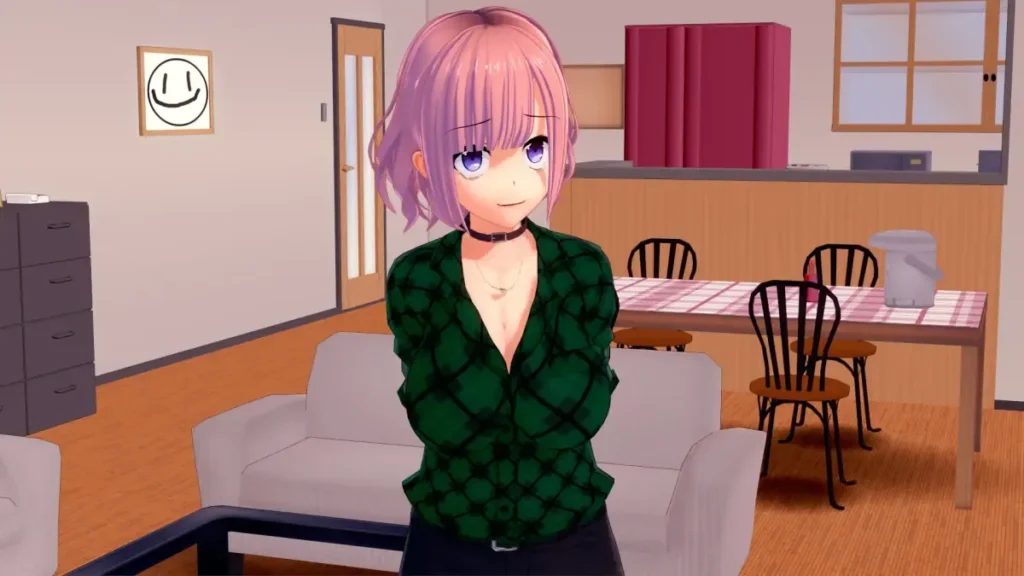










Lessons in Love review
Master gameplay mechanics, character routes, and story progression in this complex dating simulation
Lessons in Love stands out as a complex visual novel that blends narrative depth with intricate gameplay systems. This dating simulation follows a mysterious protagonist who awakens as a teacher in the fictional town of Kumon-mi, navigating relationships with multiple characters while uncovering supernatural mysteries. The game features a sophisticated affection system, branching storylines with significant consequences, and a unique blend of character-driven storytelling with overarching plot elements. Whether you’re new to the game or seeking to optimize your playthrough, understanding the core mechanics and character systems is essential for experiencing everything this title has to offer.
Understanding Core Gameplay Mechanics in Lessons in Love
Welcome, fellow teacher and student of the heart! 😊 If you’re here, you’ve likely discovered that Lessons in Love is far more than a simple dating sim. It’s a labyrinth of emotions, choices, and consequences that can feel overwhelming. I remember my first playthrough—I stumbled through the days, missing crucial moments and wondering why certain paths remained forever closed to me. It was a lesson in frustration! But fear not. This guide will break down the core Lessons in Love gameplay mechanics so you can navigate its complex world with confidence.
At its heart, the game is about managing relationships across a simulated school year. Your daily actions, the conversations you choose, and even the order in which you see people, weave a unique story tapestry. Mastering this isn’t just about reading text; it’s about understanding the invisible systems at work. Let’s dive in.
How the Affection System Works
Think of affection as the currency of connection in Lessons in Love. It’s the primary gatekeeper for nearly everything you want to experience. Unlike simpler games, the Lessons in Love affection system is nuanced, tracking your relationship with each character on a deep, often invisible level.
Each character has a hidden affection level—a numerical value that increases or decreases based on your choices during their events and your general daily interactions. You won’t see a traditional heart meter, but the game is constantly keeping score. 🤫 Reaching specific numerical thresholds is the key to how to unlock events. Early events might require only a small amount of positive affinity, while deeper, more personal storylines demand a significant investment of time and correct choices.
Pro Tip: There’s no “perfect” choice for everyone. A dialogue option that delights one character might seriously upset another. Pay close attention to their personalities and histories!
It’s also crucial to understand that affection isn’t the only stat. The game also tracks a “lust” level for characters, which operates on a separate but parallel track. Certain events are only available when both affection and lust reach required milestones. This creates a fascinating dynamic where pursuing a purely romantic or purely physical relationship will open entirely different narrative branches. The interplay between these two values is a masterclass in the game’s complex design.
To build affection effectively:
* Seek characters out daily. Consistent interaction is vital.
* Choose dialogue that aligns with their personality. The shy character won’t respond well to aggressive flirting, for instance.
* Complete their personal event chains. Advancing their individual story is the fastest way to boost your character affection levels.
Remember, neglecting a character or making hurtful choices can lower their affection, potentially locking you out of content for the rest of that playthrough. The Lessons in Love affection system rewards careful attention and punishes careless play.
Event Triggers and Progression Requirements
This is where many players get lost. The world of Lessons in Love isn’t a open playground; it’s a carefully tuned machine of cause and effect. Event triggers in Lessons in Love are specific conditions that must be met for a scene to become available. Walking into the right room at the right time is only the first step.
Understanding these triggers is the most important skill for any player. An event might require:
* A minimum affection level with the character (and sometimes a specific lust level).
* The story to have reached a certain day of the week or time of year.
* That you have viewed one or more prerequisite events first.
* That you have not seen a conflicting event with another character.
* That you make a specific choice in an earlier, seemingly unrelated scene.
This creates a web of dependencies. My biggest “aha!” moment was realizing I couldn’t access a later event with a character because I had skipped a minor, optional chat with them three weeks earlier in-game. The game’s memory is long! 🧠
Here’s a breakdown of common trigger types:
| Requirement Type | What It Means | Practical Example |
|---|---|---|
| Affection Threshold | Your hidden relationship score with a character must be at or above a set number. | Event “Deep Talk” requires Affection ≥ 15. |
| Day/Time Lock | An event is only available on specific weekdays or after a certain in-game date. | “Library Study” can only trigger on a Tuesday or Thursday. |
| Prerequisite Event | You must have seen another event first, often forming a chain. | To see “Event C,” you must have completed both “Event A” and “Event B.” |
| Choice Flag | A specific decision you made earlier is checked. This is a core part of Lessons in Love choice consequences. | This event only appears if you sided with Character X during an earlier argument. |
This system is why a missable events guide is so valuable. Many events are unique, one-time opportunities. If the trigger conditions are met but you visit a different location that day, you might permanently skip that scene for that playthrough. The game rarely holds your hand or points out what you’ve missed—it’s a world that moves on without you. For completionists, this means meticulous planning and often following a guide or maintaining detailed personal notes. 📝
Choice Consequences and Story Branching
Every choice matters. This isn’t a marketing slogan for Lessons in Love; it’s the foundational truth of its design. The Lessons in Love choice consequences are profound, often irreversible, and create a truly personalized story. These consequences manifest in two major ways: immediate story branching and long-term event availability.
The most direct consequence is within a conversation itself. Your dialogue picks can lead to instant approval or disapproval, altering the immediate scene and setting a “flag” that the game remembers. But the more significant impact is on the event triggers in Lessons in Love. A single choice can:
- Open a new, exclusive story branch with one character.
- Permanently close off an event chain with another.
- Alter the dialogue and context of future events with multiple characters.
- Change how characters interact with each other in group settings.
Let’s walk through a classic example: the early Yumi confrontation scenario. This is a masterclass in the game’s design philosophy.
Example: The Yumi Confrontation Crossroads
Early on, you may walk into a situation where Yumi is in a heated argument with another student. The game presents you with a seemingly simple choice: intervene to defend Yumi, intervene to chastise Yumi, or walk away and avoid the conflict.
- Choice 1: Defend Yumi. This signals strong allegiance to her. It immediately boosts her affection and sets a flag that “you took her side.” This unlocks future, more trusting events with Yumi where she confides in you. However, it may lower the affection of the other student involved and can make certain group dynamics more tense later. You’ve chosen a path.
- Choice 2: Chastise Yumi. This paints you as an authority figure enforcing rules. It might slightly lower Yumi’s affection initially and sets a “you disciplined her” flag. This could lead to a different kind of relationship path, one built on respect (or resentment) rather than camaraderie. It may also open up unique events where other characters see you as more strict or fair.
- Choice 3: Walk Away. This is perhaps the most insidious choice. It avoids immediate conflict but sets a “you were passive” flag. Yumi’s affection doesn’t change much, but she (and others) may remember your inaction. This can lock you out of deeper, more emotionally vulnerable events with her later, as you’ve shown you’re not someone who gets involved. It might also keep other paths nominally open, but you’ve missed a key bonding or defining moment.
This one scenario ripples outwards. The flag set here will be checked weeks later in the game. An event where Yumi asks you for a serious favor might only be available if you defended her. A group scene’s dialogue might change based on whether you were seen as taking sides. This is the essence of the Lessons in Love gameplay mechanics—a web of interconnected cause and effect.
There is no “game over” for making a “wrong” choice, but there are absolutely endings, scenes, and entire character arcs you will never see. This makes multiple playthroughs not just fun, but necessary to experience the full scope of the story. Your first playthrough is your story, with all its unique triumphs and regrets.
To navigate this, embrace the following mindset:
* Save Often and in Multiple Slots. Before any major decision or when starting a new day, create a new save. This is your primary tool for exploration.
* Accept Missed Content. Your first run should be personal. Don’t reload constantly to see everything; let the Lessons in Love choice consequences shape your unique narrative.
* Experiment on Subsequent Plays. Use your later playthroughs to make different big choices and follow different character affection levels to see where they lead.
Mastering these Lessons in Love gameplay mechanics—the delicate dance of the affection system, the precise logic of event triggers, and the weight of every choice—transforms the experience from confusing to deeply rewarding. You’re no longer just clicking through text; you’re conducting a complex symphony of relationships. Now go forth, make your choices, and learn your own lessons in love. 💖
Lessons in Love delivers a sophisticated gaming experience that rewards careful attention to its mechanics and systems. By understanding how the affection system gates content, recognizing event trigger requirements, and appreciating the weight of your choices, you can craft a personalized narrative journey through Kumon-mi. The game’s design encourages multiple playthroughs to explore different character routes and story branches, making it a rich experience for players willing to engage deeply with its systems. Whether you’re pursuing specific character relationships or uncovering the game’s supernatural mysteries, mastering these core mechanics transforms your playthrough from trial-and-error exploration into intentional, rewarding progression.