Good Girl Gone Bad
Play Good Girl Gone Bad
Good Girl Gone Bad Screenshots
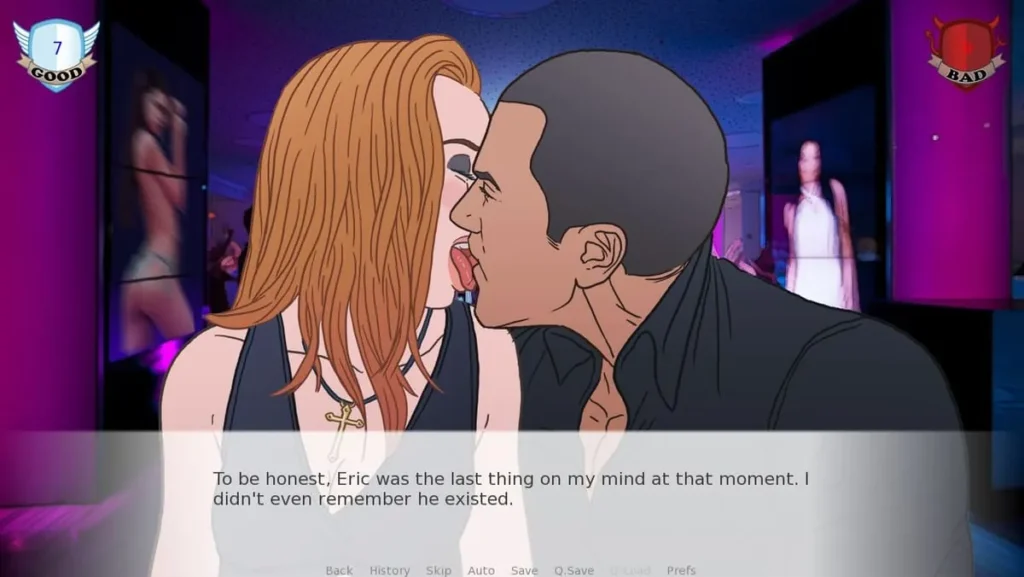





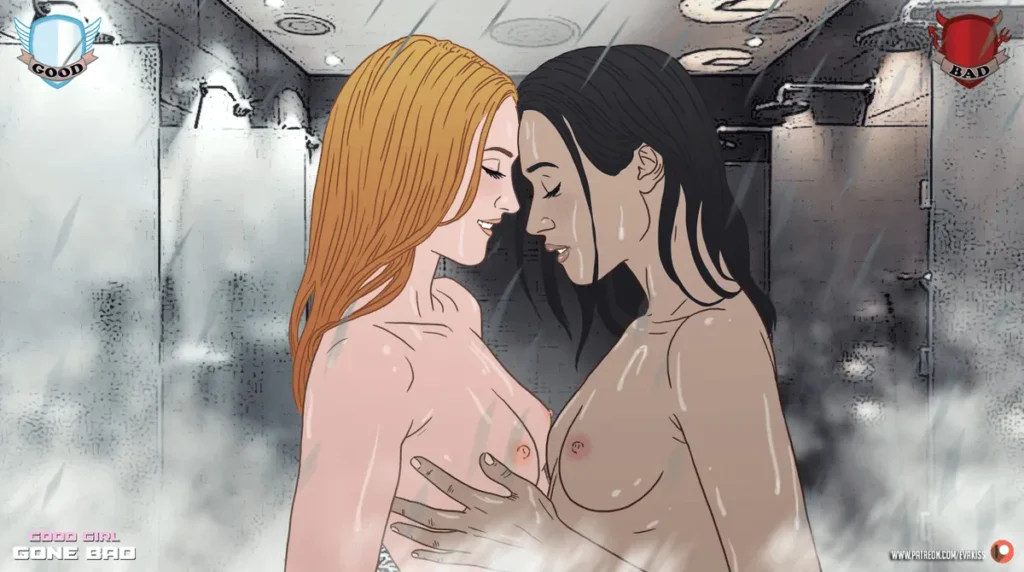
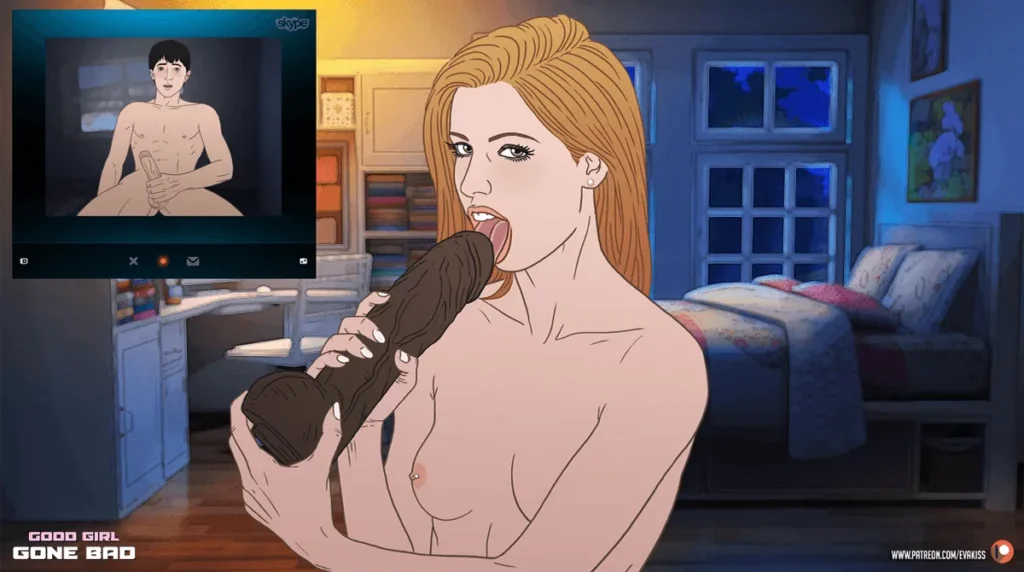




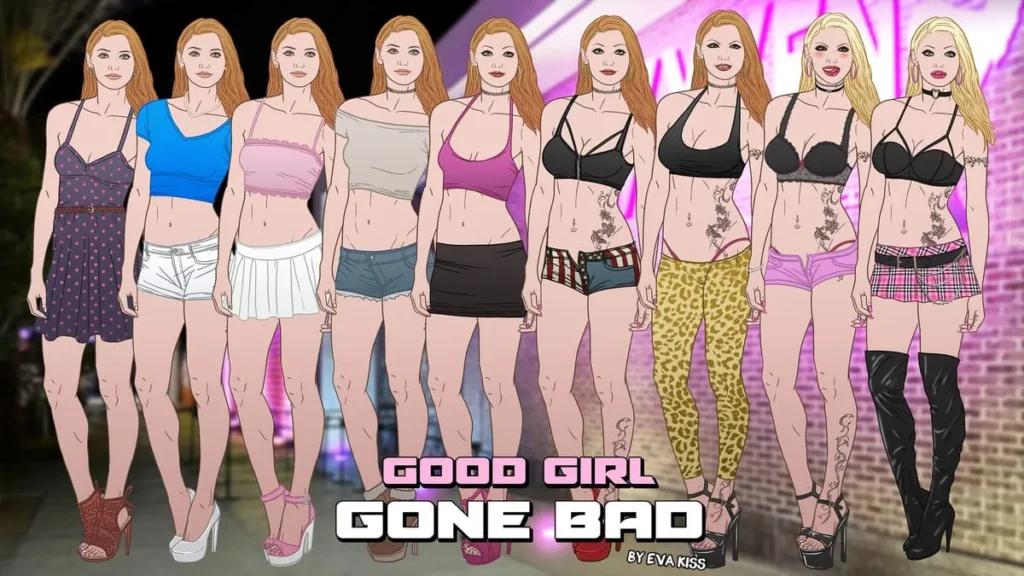




Good Girl Gone Bad review
Explore branching storylines, character development, and gameplay mechanics in this narrative-driven experience
Good Girl Gone Bad is a visual novel created by Eva Kiss that centers on the life and adventures of Ashley Graham, featuring a complex, branching narrative with deep character development. This game stands out in the visual novel genre for its hand-crafted artwork, meaningful player choices, and multiple story paths that significantly impact the overall narrative. Whether you’re new to visual novels or a seasoned player, understanding the game’s mechanics, story structure, and available paths will enhance your gaming experience. This comprehensive guide explores everything you need to know about navigating this intricate narrative adventure.
Understanding Good Girl Gone Bad: Game Overview and Core Mechanics
Let’s be honest—when you first hear the title Good Girl Gone Bad, your mind might jump to a certain kind of story. I know mine did. But when I finally clicked ‘play’ on this visual novel by Eva Kiss game developer, I was completely blindsided. This isn’t just a provocative title; it’s the core of one of the most compelling and intelligently designed branching narrative game experiences I’ve ever had the pleasure of getting lost in. 😲
At its heart, the Good Girl Gone Bad visual novel is about transformation, agency, and consequence. You step into the comfortable—and frankly, a bit stifling—shoes of Ashley Graham. She’s a bright college student with a steady boyfriend, a clear future, and a life that feels like it’s been mapped out for her. The genius of the game lies in asking: what happens when you give someone like Ashley, and by extension you, the keys to her own destiny? 🗝️
What unfolds is a breathtaking tapestry of story paths and endings, all woven together by your decisions. This isn’t a game you “win” in a traditional sense. Instead, you live a life, and every choice, from the seemingly mundane to the wildly rebellious, etches a unique path forward. The visual novel game mechanics are elegantly simple on the surface—read, click, choose—but beneath that lies a profound system that tracks your moral compass, your desires, and your relationships, shaping Ashley’s world in real-time.
### What Makes This Visual Novel Unique 🎨
So, what sets this player choice visual novel apart in a sea of narrative games? For me, it comes down to three things: authenticity, artistic commitment, and sheer narrative courage.
First, the hand-drawn artwork. In an era of 3D models and AI generation, Eva Kiss crafted every character and scene by hand. This gives the Good Girl Gone Bad visual novel an intimate, almost diary-like quality. You feel the personality in every line. Ashley’s expressions—from hesitant smiles to confident smirks—tell a story all on their own. The art isn’t just decoration; it’s a fundamental part of the storytelling, making every emotional beat land with incredible force.
Second, the game refuses to judge you. I remember a playthrough where I decided Ashley would embrace a more adventurous, “bad” path. I expected the narrative to punish me, to frame these choices as mistakes. Instead, the game presented them as valid life explorations. It showed the excitement, the freedom, and yes, the complex consequences, but never with a wagging finger. This creates a safe space for genuine role-play. You’re free to explore facets of a personality you might not in real life, which is incredibly liberating. ✨
Finally, the scope is staggering. We’re not talking about a few alternate scenes. The branching narrative game structure means entire story arcs, characters, and locations can appear or vanish based on your cumulative choices. My first playthrough was about 8 hours, and I saw maybe 30% of the total content. Discovering a completely new subplot or romantic option on a second run is a common and thrilling experience. This is supported by additional content like the Jasmin DLC, which expands the world even further, proving the developer’s dedication to this rich universe.
Pro Tip: Don’t try to “game” the system on your first playthrough. Play naturally, as if you were really Ashley. The most rewarding stories come from authentic reactions, not from trying to min-max a particular ending.
### Story Paths and Player Choice Systems 🧭
This is where the magic of the Good Girl Gone Bad visual novel truly happens. The game operates on a deceptively simple points system that tracks your “Good” and “Bad” actions. But labeling them simply as “good” or “bad” is a bit of a misnomer. Think of them more as “Conventional” and “Unconventional,” or “Obedient” and “Rebellious.” Every dialogue choice, every action you take, quietly adds points to one of these invisible meters.
These points don’t just unlock a single ending; they gently guide you onto one of four broad narrative highways: the Good, Bad, Balanced, or Optimal path. Each path isn’t just a different ending slide; it’s a completely different character development journey for Ashley Graham character, with unique events, relationships, and climaxes.
Let me break down how this worked in my own gameplay. In my “Good Girl” run, I had Ashley stay loyal to her boyfriend, focus on her studies, and generally be the person her parents expected. The story became a nuanced drama about the pressure of expectations and the quiet sacrifices of a “good” life. Conversely, my “Gone Bad” run was a hedonistic adventure of partying, exploring new relationships, and selfishly chasing fun. The story transformed into a thrilling, sometimes chaotic, exploration of freedom and its price.
The beauty is in the player choice visual novel design that makes this feel organic. You’re not picking “Path A” from a menu. You’re making dozens of small decisions that collectively build momentum in one direction. The game’s genius is in how it remembers everything, allowing story threads to pay off hours later.
To help you visualize the core trajectories, here’s a comparison of the major story paths:
| Story Path | Key Characteristics | Point Alignment | General Narrative Outcome |
|---|---|---|---|
| Optimal Path 🏆 | Strategic, high-achieving. Ashley seeks the “best” of both worlds, often requiring very specific choices. | Very High Good and Bad points. | Ashley masters her social and personal life, achieving ambitious goals but often at a high cost of personal stress and manipulation. |
| Balanced Path ⚖️ | True to self, nuanced. Ashley explores life without extreme commitment to one ideology. | Moderate, roughly equal Good and Bad points. | A life of personal discovery with mixed consequences. Relationships are complex, and the ending feels earned and human. |
| Good Path 👩🎓 | Conventional, responsible. Ashley prioritizes duty, loyalty, and traditional success. | Predominantly Good points. | A story of comfort and stability, but often tinged with themes of missed opportunities and unspoken desires. |
| Bad Path 😈 | Rebellious, hedonistic. Ashley rejects expectations in favor of pleasure, freedom, and self-interest. | Predominantly Bad points. | A wild ride of liberation and excitement, frequently leading to dramatic consequences and burned bridges. |
Remember, these paths are fluid. You can start on one and pivot to another based on a few key late-game decisions, which makes replaying the Good Girl Gone Bad experience so addictive. The pursuit of different story paths and endings is the game’s core gameplay loop.
### Character Development and Narrative Branching 🌱
If the points system is the skeleton, then the character development is the soul of this experience. Every major character, especially the Ashley Graham character, is written with remarkable depth. Ashley isn’t a blank slate; she has a history, dreams, and fears. Your choices don’t create a new person from scratch—they influence which parts of her complex personality flourish and which parts recede.
This is the hallmark of a masterful branching narrative game. The story doesn’t branch like a fork in the road; it branches like a sprawling tree, with smaller decisions creating tiny twigs that affect immediate dialogue, and larger ones determining the growth of major limbs—the core relationships and life directions.
For example, your relationship with Ashley’s best friend can evolve into a steadfast anchor, a toxic dependency, a romantic entanglement, or it can shatter completely. Each version feels real and is supported by unique scenes and conversations. The same goes for her family, her love interests, and even casual acquaintances. The world feels alive because people remember how you treated them and react accordingly. 🫂
The visual novel game mechanics perfectly serve this character growth. There are no stats to manage or puzzles to solve. The only “gameplay” is engaging with the story and making choices. This pure focus on narrative allows for an incredible density of branching content. A single afternoon in the game’s timeline can have a dozen variations based on your previous choices, ensuring no two playthroughs are identical.
My biggest insight? There is no “canon” story. The “true” Ashley is the one you help navigate through a summer of change. Whether she becomes a confident career woman, a free-spirited adventurer, or finds a messy middle ground, her journey feels valid and complete. This respectful approach to player choice visual novel storytelling is what makes Good Girl Gone Bad, crafted by Eva Kiss game developer, such a landmark title. It trusts you with its characters and rewards you with one of the most personalized stories you’ll ever experience.
So, dive in. Make choices without fear. See where Ashley’s journey—and your own curiosity—takes you. With its rich tapestry of story paths and endings, this isn’t just a game you play; it’s a life you get to live, over and over again. 🎭
Good Girl Gone Bad offers players a rich, narrative-driven experience that rewards careful decision-making and multiple playthroughs. By understanding the game’s branching story structure, character development mechanics, and the consequences of your choices, you can craft a personalized journey through Ashley Graham’s complex story. Whether you’re pursuing the optimal path, exploring darker narrative branches, or discovering the balanced middle ground, this visual novel delivers meaningful storytelling with hand-crafted artwork and deep character development. Take your time with each decision, consider how your choices align with your desired ending, and don’t hesitate to replay sections to experience the full breadth of content this game has to offer. Your engagement with the narrative choices directly shapes the story you experience, making each playthrough a unique adventure.