Camp Klondike
Play Camp Klondike
Camp Klondike Screenshots



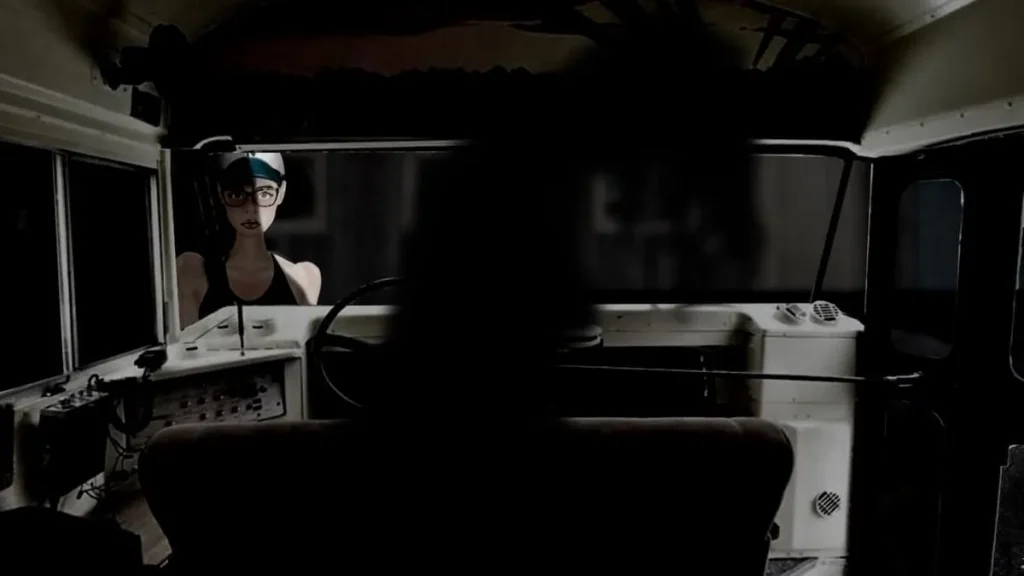






Camp Klondike review
What to know before you start playing Camp Klondike and how to get the most out of the game
Camp Klondike is a story-driven, adults-only game that mixes camp-life management, character relationships, and gradual progression into a single, highly addictive experience. In this guide, I’ll walk you through what Camp Klondike is really like to play, what works, what doesn’t, and how to approach it so you don’t waste hours feeling stuck. Drawing from my own playthrough and what other dedicated players share in communities, we’ll look at the game’s structure, systems, and pacing in a practical, down-to-earth way so you can decide if Camp Klondike deserves a spot in your backlog.
Camp Klondike Overview: What Kind of Game Is It Really?
So, you’ve heard the name and you’re wondering what all the buzz is about. What is Camp Klondike, really? Is it just another mobile game, or is there something more to it? Let’s cut through the noise. At its heart, the Camp Klondike game is an adults-only, narrative-driven experience where you step into the shoes of a camp manager. But forget stressful resource management or frantic clicking. This is a slow-burn, choice-focused journey set against a nostalgic summer camp backdrop. Your primary tools aren’t weapons or build menus—they’re your time, your attention, and the conversations you choose to have.
Think of it as a digital, interactive campfire story where you’re both the listener and the storyteller. The Camp Klondike gameplay revolves around exploring the camp, getting to know its unique cast of characters, and unlocking deeper storylines through your interactions. It’s less about “winning” and more about discovering. If you’re the kind of player who gets invested in characters and enjoys the journey more than the destination, you’re already looking in the right direction. 🏕️
What is Camp Klondike and how does it play?
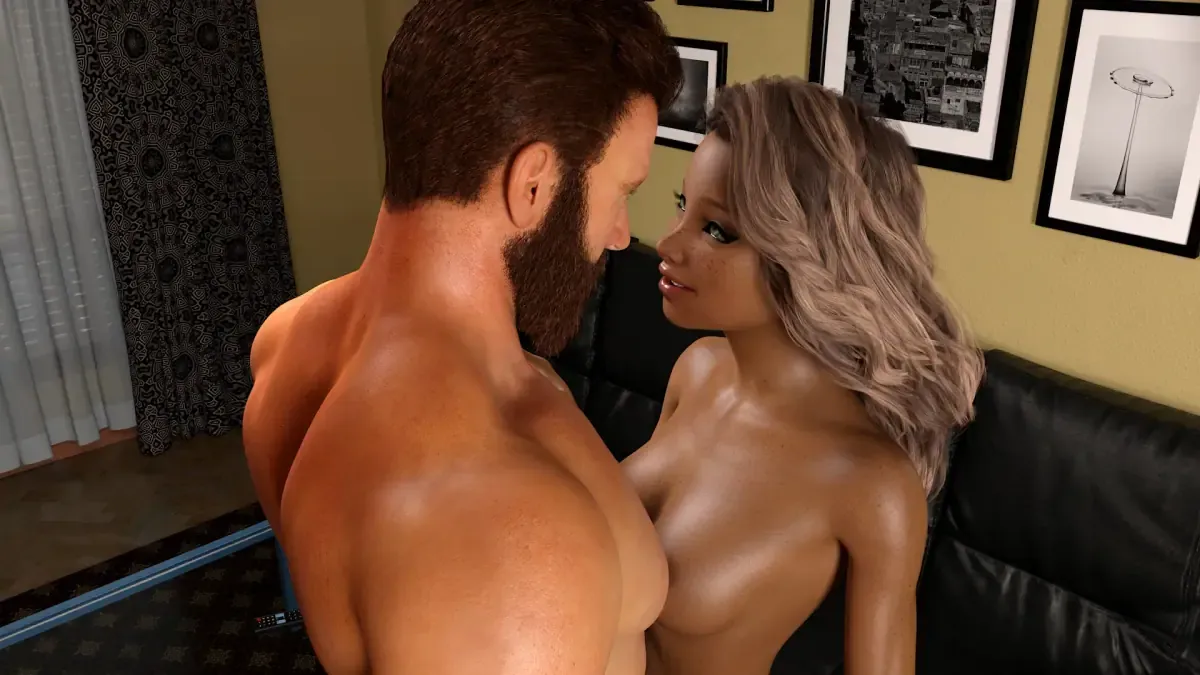
Let’s break down the basics. When you first boot up Camp Klondike, you’re introduced to your new summer home: a sprawling, picturesque camp complete with wooded trails, a shimmering lake, cabins, and common areas like the mess hall and campfire circle. This camp is your hub, your entire world for the game. You’ll navigate a simple map, moving between these iconic locations.
Your days are structured, often progressing through a time-based system (like morning, afternoon, evening). At each location, specific characters will be available to talk to. This is where the magic happens. 👥
Every conversation is a chance to learn more about someone, make a choice that influences their opinion of you, or trigger a special event. Maybe you’ll find the shy artist sketching by the lake, or the competitive counselor training at the sports field. Your goal is to build relationships, and this is done by consistently checking in, choosing dialogue that resonates, and sometimes completing small, character-specific objectives. These could be as simple as gathering a few items from around the camp or winning a friendly mini-game.
As you progress, you earn in-game resources—let’s call them Camp Tokens or Friendship Points—which act as keys to unlock the next scenes in a character’s story arc. The core appeal of this Camp Klondike overview is that tangible feeling of progression. You start with superficial hellos and, piece by piece, unlock more personal, detailed, and visually rewarding scenes. The gameplay is a satisfying cycle of: explore, interact, earn, and unlock.
To summarize, the Camp Klondike game rests on four main pillars:
- Story & Choice: Every interaction can shape your relationships and the narratives you experience.
- Exploration: The camp is yours to roam, with secrets and characters tucked into every corner.
- Relationship Building: Deep, character-driven arcs form the emotional core of the game.
- Gradual Progression: A steady, rewarding drip-feed of new content and scenes keeps you engaged.
Core gameplay loop: What keeps you coming back?
Alright, so we know the pieces. But what does it actually feel to play Camp Klondike day-to-day? What’s the hook that turns a quick check-in into a regular habit? The Camp Klondike gameplay loop is deceptively simple and incredibly effective. 🔄
A typical session might go like this: You log in. You’re greeted by your camp map and maybe a few notifications about refreshed tasks or character availability. You remember you’re trying to get closer to Maya, the outdoorsy trail guide. Her icon shows she’s at the climbing wall this afternoon. You tap there.
You engage in a conversation, picking your responses carefully. A small task pops up: she needs someone to help check the safety ropes. It’s a quick, simple interaction—tap a few buttons, maybe play a 10-second matching game. Completing it grants you +15 Friendship with Maya and some Camp Tokens. You check her relationship meter; you’re now halfway to unlocking her next major story event! The thrill of seeing that bar fill up is real.
You have a bit of spare time in your in-game day, so you swing by the mess hall. Alex, the camp cook, is there and offers a repeatable task to help chop vegetables for a small token reward. You do it, banking those tokens for later. Your evening is free, so you visit the campfire, where a group scene plays out, offering passive relationship points with several characters at once. Your daily “energy” or time units might be running low, so you log off, already planning tomorrow’s in-game visits to see who will be where.
The core loop isn’t about grinding; it’s about curiosity. You’re constantly asking, “What happens next with this character?” or “What scene will this unlock?”
Let’s make this concrete with a short narrative example of a single in-game day:
It’s a sunny Tuesday morning in Camp Klondike. My first stop is the Arts & Crafts cabin, where I know Emma will be working on a new mural. We chat about her design, and I choose the supportive dialogue option, earning a smile and some points. My objective log reminds me that Jake at the boat dock needed three pieces of driftwood. On my way there, I click on sparkly spots along the path, automatically collecting the wood and a few extra tokens. I deliver the wood to Jake, unlocking a new, flirty conversation branch with him. In the afternoon, I use some of my saved tokens to purchase a “Special Sandwich” from the camp store, which is a known favorite gift for Leo. I find him at the soccer field, gift him the sandwich, and watch our friendship meter jump significantly. The game hints that if I reach the next level with him by tomorrow, a unique evening event at the observatory will trigger. I log out, already excited for my next session.
This is the rhythm. It’s a mix of focused pursuit (working on a specific character’s route) and general exploration (hoarding resources and bumping into unexpected moments). The light management comes from balancing your limited daily time or energy between earning resources and advancing stories. Do you spend your time earning tokens today to buy a key gift tomorrow, or do you use it all on conversations to push a story forward? These small decisions make your playthrough feel personal.
Who is Camp Klondike actually for?
This is the million-dollar question, and my Camp Klondike review wouldn’t be honest without a straight answer. This game is not for everyone, and that’s okay. Knowing who it’s for will save you time and set the right expectations.
The Camp Klondike game is squarely aimed at adults who enjoy:
* Character-Driven Stories: If you love learning backstories, seeing character development, and feeling like you’re part of a growing ensemble cast, you’ll feel at home.
* Atmospheric, Chill Vibes: The camp setting is cozy and nostalgic. The pace is deliberately slow. It’s a game to unwind with, not to master quickly.
* Experimental Choice-Making: While not a hardcore branching narrative, there’s fun in replaying days or starting fresh to see how different choices affect your relationships.
* Gradual, Consistent Progression: Players who find satisfaction in daily check-ins, watching progress bars fill, and collecting new scenes will love it.
If you need constant action, high-stakes competition, or complex strategy, you might find Camp Klondike too passive. This is a game about mood, relationships, and discovery.
My personal turning point came about three hours in. Initially, I was a tourist 🗺️. I wandered everywhere, talking to everyone once, feeling a bit aimless. The camp felt large and the systems opaque. Then, I randomly focused on two characters: the quiet bookworm who hung out at the library and the confident head counselor. I started prioritizing my time to see them each day, remembering their schedules. I used my tokens specifically on gifts they liked. When I finally triggered a special, cinematic-quality scene with the bookworm by the lakeside at dusk—a scene that felt earned—the game “clicked.” I wasn’t just visiting a camp; I was curating my own summer story. That routine of planning my visits, managing my small resource pool, and chasing those magical unlock moments became deeply satisfying.
So, is Camp Klondike worth playing? If the above description sounds appealing, then absolutely. It offers a specific, story-rich experience that it executes very well. It asks for your patience and attention and rewards you with meaningful character moments and a great sense of chill escapism.
Understanding what the game is and who it’s for is the first step. But to truly thrive at Camp Klondike and avoid common early stumbles, you need to get under the hood of its mechanics. How do you manage your resources efficiently? Which choices actually matter? In the next chapter, we’ll dive into the essential tips and strategies you need to get the most out of your summer at camp.
Camp Klondike is at its best when you treat it as a slow-burn camp story rather than something you rush through. Once you understand how its routines, character routes, and progression tie together, it becomes a relaxing, slightly addictive habit of checking in on your favorite campers and nudging their stories forward. If you enjoy character-driven, adults-only games with a focus on exploration, time management, and relationship-building, Camp Klondike can be a satisfying addition to your library. Give yourself a few in-game days to learn the rhythms, experiment with different paths, and see whether its particular blend of camp atmosphere and gradual progression is the right fit for you.