AURA: Hentai Cards Screenshots

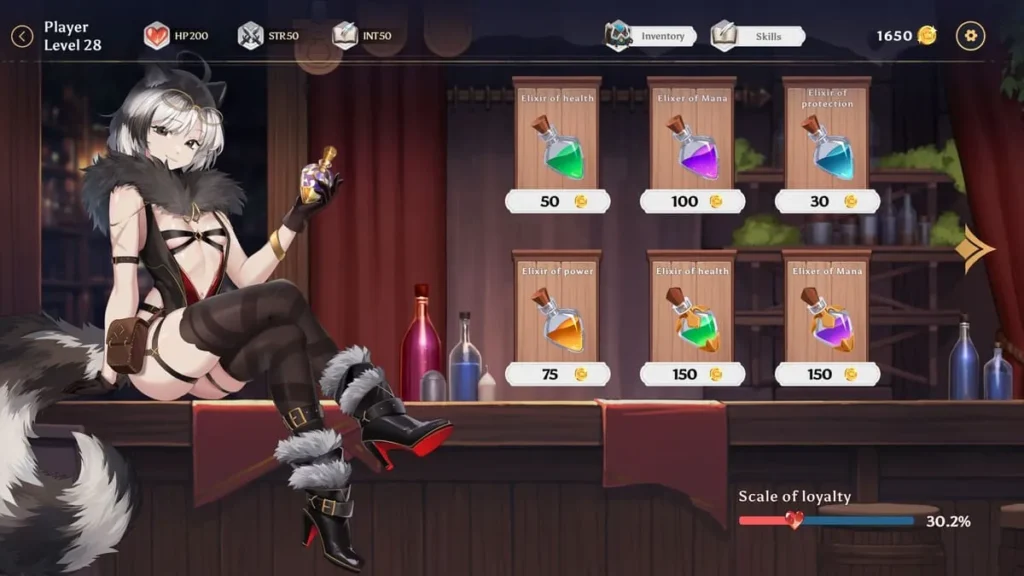
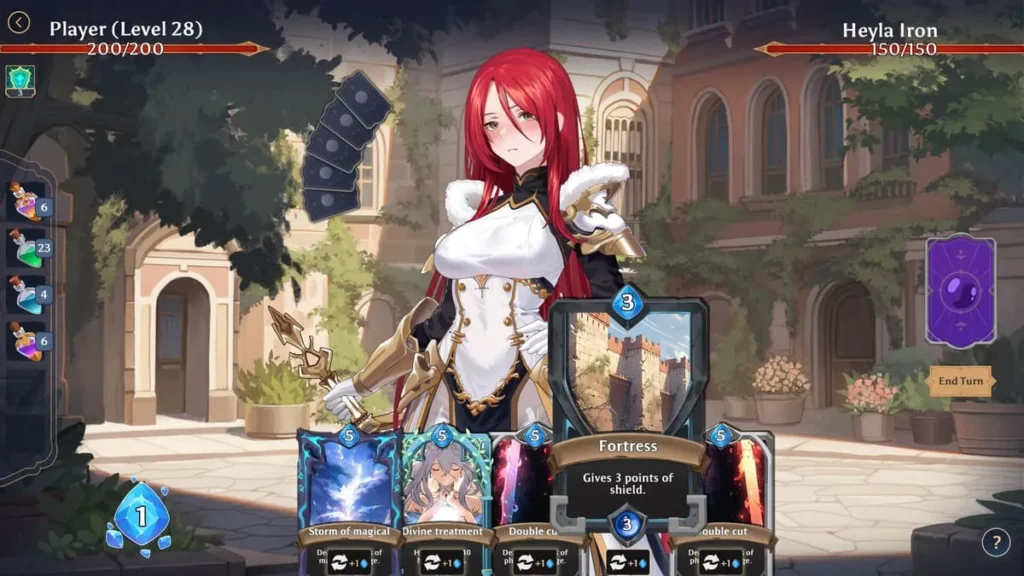

AURA: Hentai Cards review
Master the hybrid RTS, Tower Defense, and Match-3 mechanics in this adult card battle game
AURA: Hentai Cards blends three distinct gaming genres into a unique experience that challenges players to master resource management, tactical positioning, and card synergy. This adult-oriented title combines RTS elements with Tower Defense mechanics and Match-3 gameplay across dual battlefields, creating a complex strategic environment. Whether you’re new to the game or looking to optimize your approach, understanding the core mechanics, character abilities, and progression systems is essential for success. This guide covers everything you need to know about gameplay, character selection, resource management, and advanced strategies to help you progress efficiently through AURA: Hentai Cards.
Core Gameplay Mechanics & Battle System
So, you’ve booted up AURA: Hentai Cards, drawn your first hand, and suddenly realized this isn’t your typical card battler. One moment you’re matching gems, the next you’re placing defensive towers, all while managing a hand of spells and units. I remember my first match vividly—I was overwhelmed, my resources drained, and I was defeated by what the game calls “casual” difficulty. 😅 It was a humbling experience that taught me one crucial lesson: mastering the AURA Hentai Cards gameplay mechanics isn’t optional; it’s the key to unlocking everything this rich, hybrid title offers. This chapter is your deep dive into that core system, transforming confusion into conquest. We’re breaking down everything from the ingenious dual battlefields to the nuanced dance of deck construction and turn-based tactics. Get ready to move from novice to commander.
Understanding the Dual Battlefield System
At the heart of what makes AURA: Hentai Cards so brilliantly unique is its dual battlefield strategy. Imagine splitting your attention between two monitors: one for tactical troop deployment and one for puzzle-based resource generation. That’s the daily reality here. 🎮⚔️
The top screen is your Tactical Field. This is where the RTS and Tower Defense dreams come alive. You’ll play unit and structure cards here to defend your core from advancing enemy waves. It’s a real-time strategic layer where positioning, unit types, and timing are everything. Think of it as your war room.
The bottom screen is the Energy Matrix, a dynamic match-3 puzzle board. This isn’t just a mini-game; it’s your engine. Every move you make here—swapping gems to create matches—generates the precious mana needed to play cards on the Tactical Field. It’s a constant, engaging balance: do you make a quick match for a burst of mana now, or set up a larger combo for a massive payoff next turn?
The genius of this RTS Tower Defense Match-3 hybrid system is the constant, tense interaction between these two layers. You can’t win by just being a puzzle whiz, and you can’t win by being a master tactician alone. I learned this the hard way when I focused solely on building an impenetrable defense, only to fumble the gem board and run out of steam, watching my walls crumble. Your brain must constantly juggle two distinct skill sets. This dual battlefield strategy demands that you plan your card plays around the mana you will generate, not just the mana you have.
Pro Tip: Treat the Energy Matrix as your primary weapon. A well-executed 5-gem match can fuel a game-changing play. Always look one move ahead on the puzzle board to anticipate your mana flow.
Understanding enemy behavior is also critical on the Tactical Field. Opponents aren’t just mindless rushers; they employ varied unit types, from swarming fodder to heavy, slow-moving elites. Some will prioritize your towers, others your core. Observing their patterns is key to positioning your defenses. This ties directly into the AURA Hentai Cards gameplay mechanics—knowing what you’re defending against informs how you should generate your resources below.
Card Mechanics and Deck Building Fundamentals
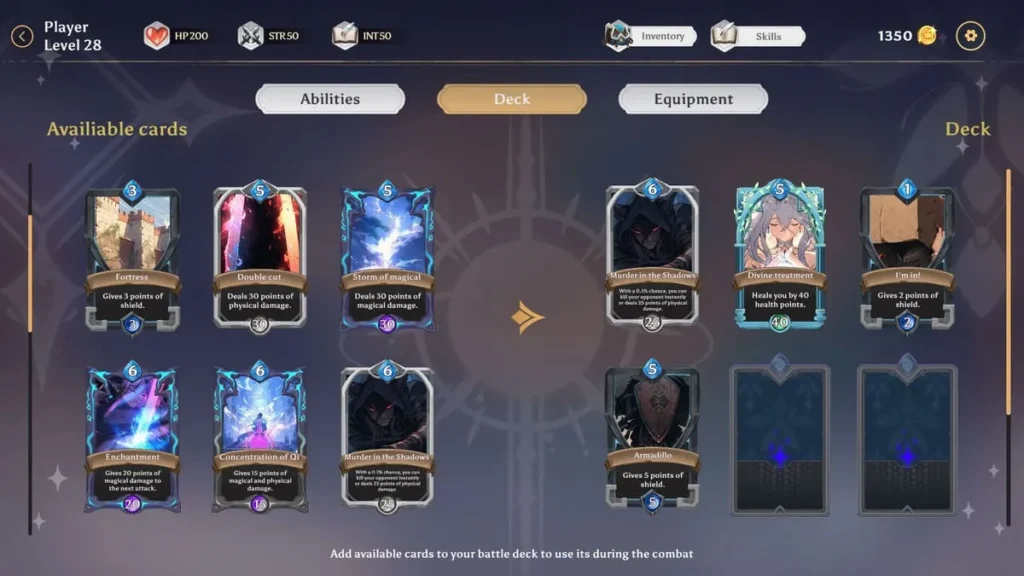
Now, let’s talk about your arsenal—the cards. This is where strategy gets personal. The AURA Hentai Cards gameplay mechanics revolve around a delicate mana management card game system that deeply ties into your deck’s construction.
Every card has a mana cost, playing it consumes that mana from your pool (filled by the match-3 board), and here’s the kicker: you can also discard any card from your hand for a small, immediate mana boost. This single mechanic transforms deck building. A card isn’t just a potential play; it’s a potential resource. A high-cost, powerful card stuck in your hand early game? Discard it for mana to play two cheaper, more timely cards. This makes every card in your deck a multi-tool.
This leads us to the golden rule of card deck building guide principles in AURA: consistency over power. A deck filled only with flashy, expensive legendaries will often fail because you’ll lack the early-game tools to survive. You need a smooth mana curve—a balance of low, medium, and high-cost cards—to ensure you have plays available every turn, regardless of your puzzle board luck.
Players often get frustrated with mechanics like persistent shielding on enemies or getting caught in a stun-lock chain. The counter isn’t a single overpowered card; it’s deck synergy. For example, shield-breaking effects are often on low-cost utility cards. Including a few of these can dismantle an enemy’s defensive strategy. Similarly, including cards with “Quick Attack” or your own stun effects can break opponent combos. This is the essence of discovering powerful AURA card synergies and combos.
Let’s make this practical. Here’s a beginner-friendly deck example focused on solid fundamentals:
“The Foundation” Beginner Deck Example:
* 2x Spear Acolyte (1 Mana): Your early game blocker. Cheap to play, excellent for slowing down the first enemy wave.
* 2x Arcane Bolt (2 Mana): Direct damage. Use it to finish off wounded enemies or ping key targets. A versatile tool.
* 2x Watchtower (3 Mana): Your first defensive structure. Provides sustained damage and safe spotting.
* 2x Chain Lightning (4 Mana): Your first combo piece. Great against groups of weak enemies. Synergizes with effects that weaken multiple targets.
* 1x Commander’s Banner (5 Mana): A late-game boost that increases damage of all nearby units. Play this when you have a stable frontline.
This deck gives you options at every mana level and introduces you to unit, spell, and structure cards. The AURA card synergies and combos here are straightforward: use Spear Acolytes to hold the line while your Watchtower deals damage, then clear grouped enemies with Chain Lightning for maximum value.
To help you visualize how different cards function, here’s a breakdown of primary card types and their strategic uses:
| Card Type | Typical Mana Cost | Primary Effect | Strategic Use Scenario |
|---|---|---|---|
| Unit (Melee) | 1-3 Mana | Summons a creature to block and attack on the Tactical Field. | Early game defense, creating a frontline to protect your structures and core. |
| Unit (Ranged) | 3-5 Mana | Summons a creature that attacks from a distance. | Position behind melee units for safe damage output; key for targeting priority enemies. |
| Structure (Tower) | 3-6 Mana | Places a permanent defensive building with auto-attack. | Cornerstone of Tower Defense strategy; place at chokepoints for area denial. |
| Spell (Direct Damage) | 2-4 Mana | Deals instant damage to a target or area. | Removing high-threat enemies, finishing off wounded units, or breaking shields. |
| Spell (Buff/Debuff) | 2-5 Mana | Enhances your units or weakens enemy forces. | Creating favorable trades, empowering a push, or countering enemy buffs. |
| Spell (Control) | 3-6 Mana | Applies effects like Stun, Root, or Silence. | Disrupting enemy combos, locking down a powerful foe, or buying crucial time. |
This table is your cheat sheet for the card deck building guide process. Notice how low-cost units and spells are essential for stability, while higher-cost cards demand strategic setup. A good deck has a plan that uses these types in concert. Perhaps you build a deck that focuses on swarming with cheap units, supported by buff spells. Or maybe you prefer a control style with towers and disruption spells. Your dual battlefield strategy begins here, in the deck builder.
Combat Flow and Turn-Based Strategy
Alright, you understand the fields and you’ve built your deck. Now, how does it all come together in the heat of battle? The combat flow and turn-based strategy in AURA is a rhythmic dance between planning and reaction. 🔄🎯
A turn doesn’t mean everything stops. The Tactical Field is always active—enemies march, towers fire, and units clash in real-time. Your “turn” is your window to act: to manipulate the Energy Matrix and to play cards. This creates a thrilling, pressure-filled loop. You’re constantly assessing: “Do I need mana right now to save that tower, or can I afford to set up a bigger match for a major play next cycle?”
This is where mana management card game skills are tested. Be aggressive with discarding cards for mana when you’re in a pinch, but be cautious not to gut your hand of key answers. I’ve thrown away a crucial counter-card for a bit of mana, only to face the exact threat it was meant for next turn. It’s a brutal lesson in resource valuation.
Your turn-based combat strategy must also account for enemy capabilities. Foes will use abilities, spawn minions, and sometimes directly interact with your Energy Matrix! Some boss encounters can shuffle or lock gems, directly challenging your mana management. Therefore, flexibility is paramount. A rigid plan will break. The best commanders adapt their dual battlefield strategy on the fly, using the puzzle board to fuel reactive plays.
Now, let’s tackle two big strategic crossroads: consumables and character leveling. 🧪⬆️
- Consumables (like instant mana potions or board-clearing gems) are powerful, one-time saves. My rule of thumb? Use them to prevent a loss or to secure a win now. If using a consumable will clearly swing a battle in your favor this moment, do it. Hoarding them forever is a waste of their potential.
- Character Leveling (which permanently enhances your base stats or unlocks new card slots) is a long-term investment. Resources for this are scarcer. My advice: prioritize leveling after you’ve hit a wall in progression or have a specific deck upgrade in mind. If a battle is winnable without consumables, save them and take the slightly longer fight to bank resources for levels.
Overcoming the game’s casual difficulty and beyond hinges on mastering this flow and exploiting AURA card synergies and combos. For instance, pairing a card that draws you extra cards when you match a certain gem color with a deck built around that color can create an unstoppable engine. Or, using a low-cost “taunt” unit to gather enemies, then dropping an area-damage spell on top of them. These combos turn good decks into great ones.
Ultimately, the AURA Hentai Cards gameplay mechanics invite you to become a multifaceted strategist. You’ll learn to read the Tactical Field like an RTS pro, manage your gem board like a puzzle master, and craft your deck with the foresight of a card game veteran. This RTS Tower Defense Match-3 hybrid isn’t just a mashup of genres; it’s a cohesive, challenging, and deeply rewarding system where every victory feels earned. Start applying these principles, experiment with your card deck building guide knowledge, and watch as those once-daunting battles become canvases for your strategic artistry. Your journey to mastery has just begun. 💥🃏
AURA: Hentai Cards offers a compelling blend of strategic gameplay across its hybrid RTS, Tower Defense, and Match-3 systems. Success in the game requires balancing multiple competing priorities: managing limited resources between consumables and character progression, building synergistic card decks that avoid relying on overpowered mechanics, and making careful decisions during events that can significantly impact your progression path. While the game presents balance challenges and resource bottlenecks that can frustrate players, understanding these systems deeply allows you to develop strategies that overcome these obstacles. Whether you’re optimizing your deck composition, planning your character progression, or preparing for challenging encounters, the strategies outlined in this guide provide a foundation for improving your gameplay. As the game continues development toward full release, staying informed about balance changes and community feedback will help you adapt your approach and continue enjoying this unique adult-oriented gaming experience.