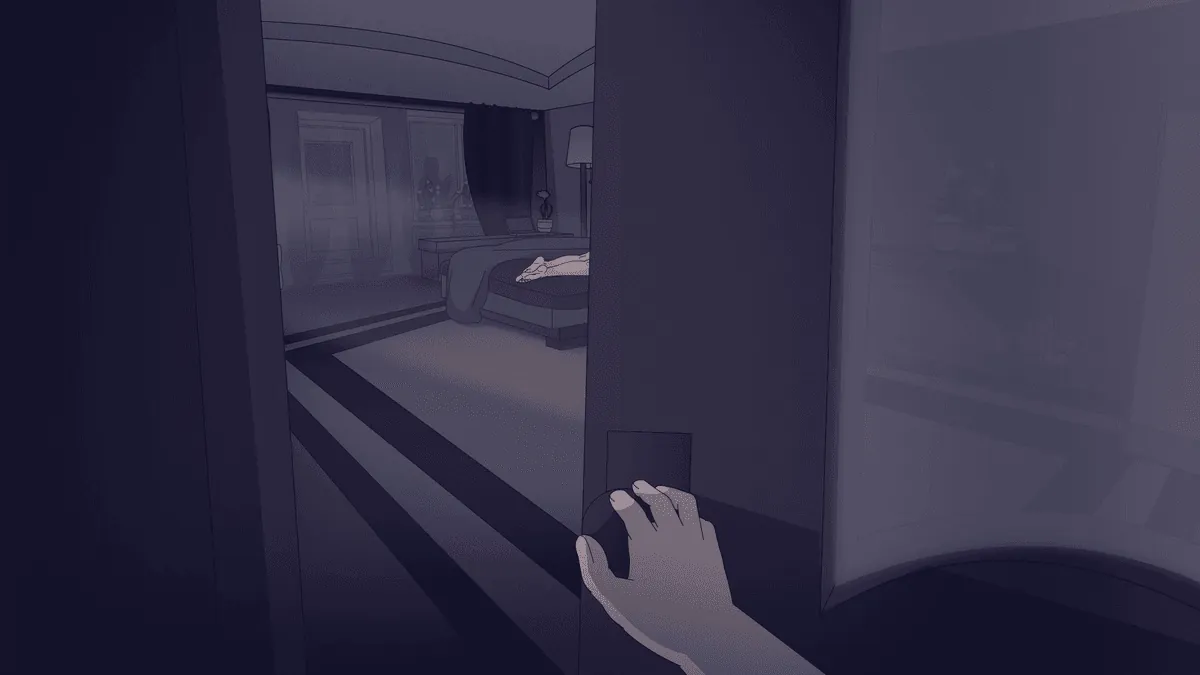
AlwaysFan
Play AlwaysFan
AlwaysFan Screenshots



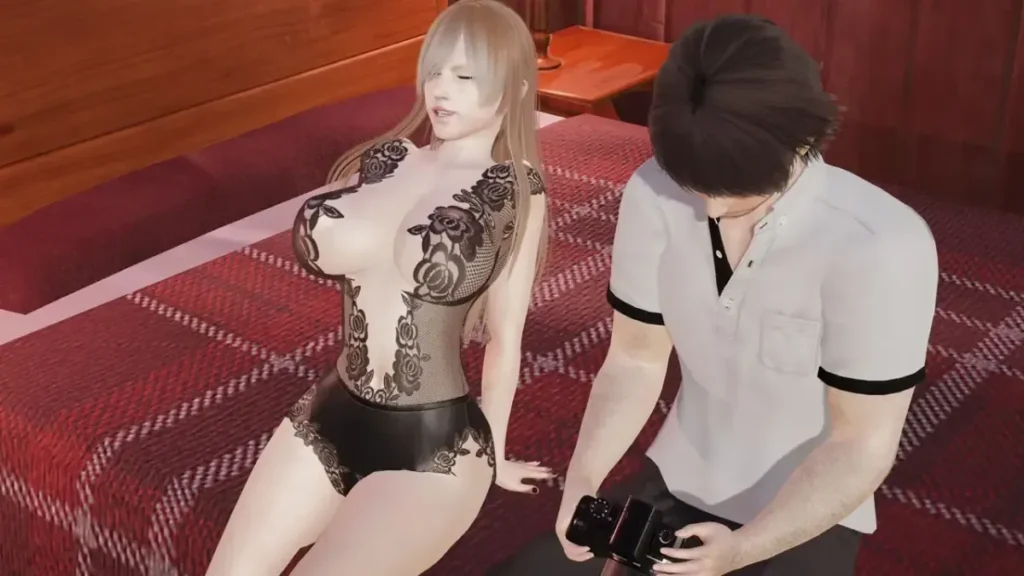


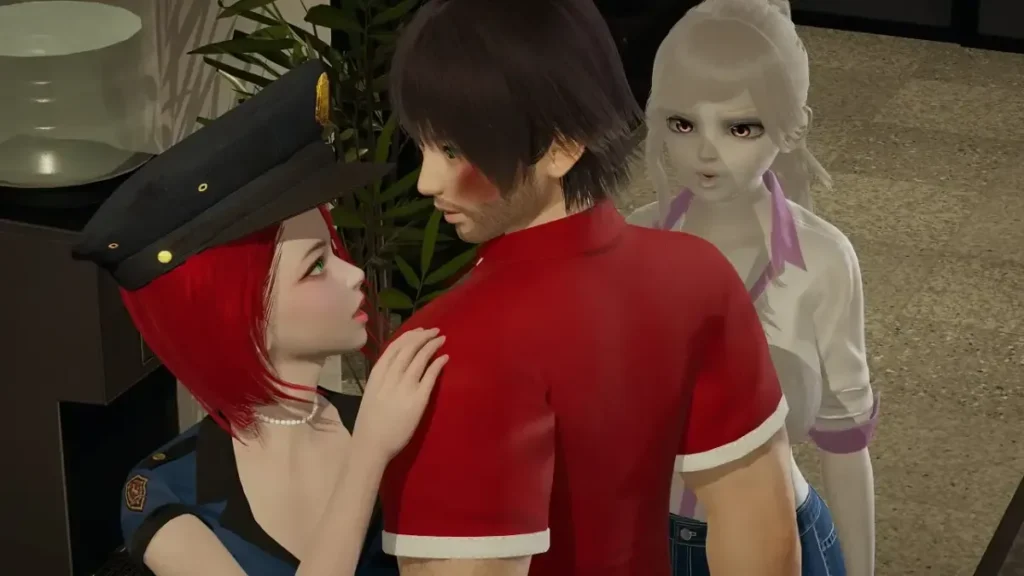

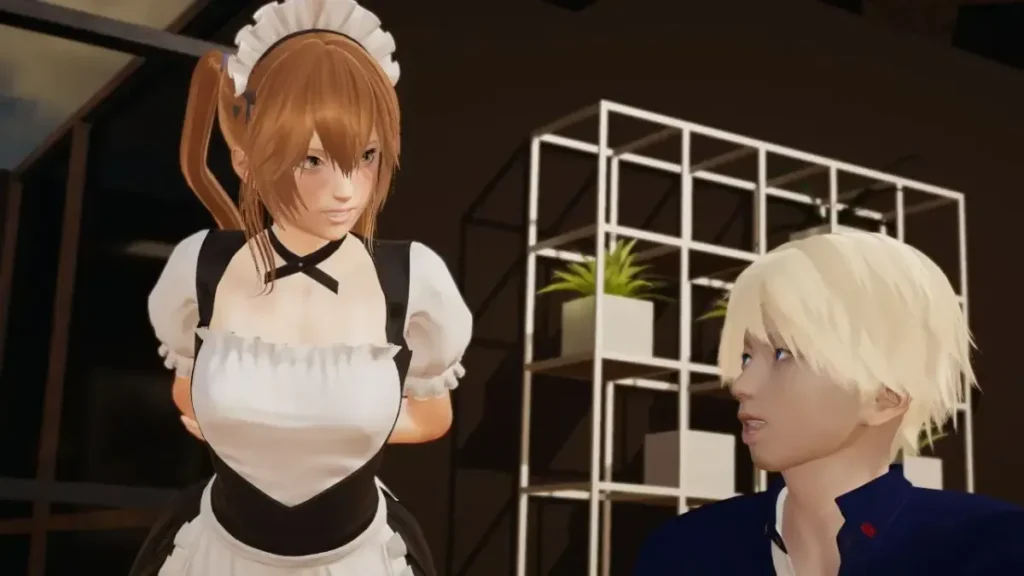
















AlwaysFan review
Explore branching narratives, animated scenes, and player-driven choices in this adult visual novel
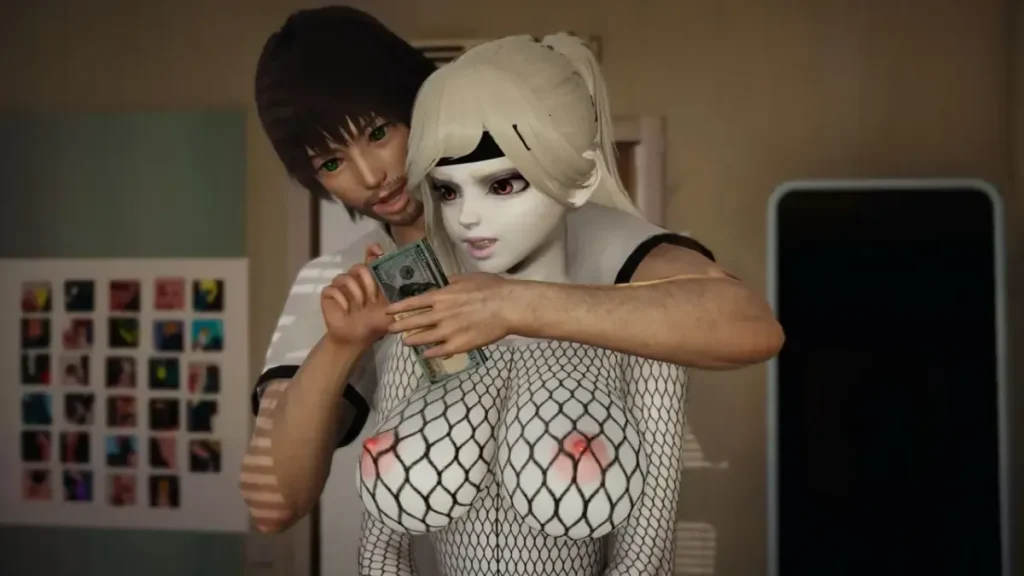
AlwaysFan stands out as a sophisticated adult visual novel that places you in control of Chris, a young man navigating life after losing his parents. Developed by AtemX Games using the Ren’Py engine, this game combines compelling storytelling with branching narratives that respond to your decisions. With over 160 animated scenes, ten romanceable characters, and multiple story paths, AlwaysFan delivers a deeply personal gaming experience where your choices genuinely shape the outcome. Whether you’re drawn to romance, drama, or darker themes, this visual novel offers substantial replayability and emotional depth that keeps players engaged across multiple playthroughs.
Understanding AlwaysFan: Core Gameplay and Story Elements
So, you’ve downloaded AlwaysFan and you’re ready to dive in. Maybe you’re a visual novel veteran, or perhaps this is your first foray into the genre. Either way, you’ve likely asked the same question I did when I first started: “Okay, but what really happens when I click a choice?” 🤔 In so many games, it can feel like you’re just picking the flavor of dialogue on a predetermined track. Not here. AlwaysFan is built on a different philosophy entirely—one where you aren’t just reading a story, you’re engineering it from the ground up. This chapter is your blueprint to understanding the core gameplay mechanics that make this experience so uniquely compelling.
What Makes AlwaysFan Different From Traditional Visual Novels
Let’s get one thing straight from the start: AlwaysFan is not a passive experience. It’s a reactive, breathing world built on the robust foundation of the Ren’Py visual novel engine. While Ren’Py is the powerhouse behind countless visual novels, AlwaysFan pushes it to its narrative limits. Instead of just displaying pretty pictures and text, the game uses the engine to run a complex simulation of schedules, relationship variables, and narrative flags that would make a programmer weep with joy. 🧠
The most immediate difference you’ll notice is the living world mechanics. Characters don’t just appear when the plot needs them. They have jobs, hobbies, and routines. Lena might be at her café in the morning, at a gallery opening in the evening, and unreachable when she’s on a deadline. This isn’t just set dressing; it means time management genuinely matters. Choosing to visit the park in the afternoon might lead to a chance meeting with Emilie sketching, while that same evening slot could be your only chance to catch Chris after his shift. This creates an authentic sense of place and makes every decision about when to do something as crucial as what to do.
Furthermore, the AlwaysFan branching storylines are engineered for depth, not just breadth. We’re not talking about a “good” route and a “bad” route with a few diverging scenes. We’re talking about a narrative web where early, seemingly innocuous decisions send ripples through the entire timeline, fundamentally altering AlwaysFan character relationships, available scenes, and even the core themes you’ll engage with. Your first playthrough and your fifth can feel like entirely different genres—one a heartwarming tale of creative healing, another a tense psychological exploration.
To clearly illustrate the divide between AlwaysFan gameplay mechanics and a more conventional approach, let’s break it down:
| Aspect | Typical Visual Novel | AlwaysFan’s System |
|---|---|---|
| Choice Impact | Often superficial; changes immediate dialogue or leads to a short alternate scene before merging back to a main story track. | Deep, cascading effects. An early choice can enable or lock entire character arcs, change how other characters perceive you hours later, and alter the availability of future locations and events. |
| Character Depth | Characters typically have set personalities and story beats. Your choices determine which pre-written path you see. | Fluid, reactive development. Characters respond to the reputation you build. A “Chris” who is seen as a supportive friend will unlock different interactions than a “Chris” viewed as a opportunistic networker. |
| Story Progression | Follows predetermined narrative tracks (e.g., Route A, B, or C). Replayability involves picking a different track. | Real-time narrative construction. The story is built from the consequences of your cumulative choices, creating a unique plot map for each playthrough. You are the mapmaker. |
This foundational difference is what fuels the game’s incredible replay value and makes every decision carry genuine weight. You’re not choosing from a menu of stories; you’re writing your own in real-time. ✍️
The Impact of Player Choices on Story Progression
This is the heart of the AlwaysFan experience. The visual novel choices impact here is not an illusion; it’s the core gameplay loop. The game tracks a hidden web of “flags” and “variables”—from your reputation with specific characters to the moral leaning of your decisions. These variables don’t just sit there; they actively open and close doors throughout the game.
Let’s talk about a concrete example, because this is where the magic becomes clear. Early in the game, you’re presented with a seemingly simple Saturday decision. You can choose to help Emilie at the local town festival, where she’s feeling overwhelmed at her art stall. Or, you can accept Lena’s invitation for a coffee meeting, which she frames as a casual networking opportunity.
- Choosing to Help Emilie: This reinforces a path of community, vulnerability, and personal connection. Emilie’s trust in you skyrockets, unlocking deeper, more personal conversations about her artistic anxieties and past much earlier than usual. Hours later, this may lead to an exclusive arc where she asks for your help on a deeply personal art project—a storyline completely unavailable if you missed this bond. Furthermore, Lena hears through the town grapevine that you stood up a potential professional contact to help a friend. This shapes her initial perception of you as someone who values loyalty over ambition, altering her dialogue options and potentially making a later, more intimate connection with her harder to earn, but far more meaningful if you do.
- Choosing Lena’s Coffee: This leans into ambition, career, and the high-paced world of influence. Lena opens up about her professional network and may later introduce you to a gallery owner, unlocking a whole story arc about the commercial art world. However, Emilie hears you were too busy for the festival. This doesn’t just make her sad; it establishes a slight distance. The deeply personal, healing-focused arc with her may become inaccessible, as you’ve signaled your priorities lie elsewhere. The town itself might view Chris differently, changing small interactions with secondary characters.
See what happened there? One choice didn’t just change a scene. It set two major AlwaysFan character relationships on different trajectories and unlocked entirely unique narrative paths for the visual novel. This is the cascading consequence system in action. The game remembers everything, and the player-driven story choices compound, building a narrative that is truly yours. You might lock yourself out of a scene you didn’t even know existed, but you’ll unlock another that fits the version of Chris you’re creating.
This system creates an unparalleled sense of agency. You’re not guessing which choice the writer wants you to pick; you’re deciding who Chris is and what he values. The achievement system further highlights this by tracking the variety of your journeys, encouraging you to explore how different value systems lead to wildly different stories and endings. 🏆
Exploring the Dual Narrative Paths
While the web of choices is complex, many of your early, core decisions gently push you toward one of two overarching thematic currents: the Path of Light or the Path of Obsession. These aren’t hard-coded modes you select; they emerge naturally from your cumulative player-driven story choices.
The Path of Light is often (but not exclusively) fueled by choices that prioritize empathy, healing, and genuine connection. This is where AlwaysFan shines as a story about recovery and creative rediscovery. Chris’s journey here is one of mending fences, both with his own past and with the people around him. Relationships on this path tend to be built on mutual support and vulnerability. Romances feel earned and therapeutic, focused on building something new and healthy. The tone is often hopeful, and the narrative paths you unlock frequently involve collaborative projects, community events, and personal breakthroughs. It’s a profoundly satisfying experience that highlights the game’s heart. 💖
Conversely, the Path of Obsession emerges from choices that prioritize ambition, possession, and a more morally ambiguous approach to relationships and art. This path explores darker, more complex themes. Chris’s creative drive here can twist into a fixation on a muse, or his desire for success can override personal ethics. AlwaysFan character relationships on this path are intense, charged with power dynamics, jealousy, and psychological complexity. Romances can feel more like negotiations or games of control. This path unlocks story arcs involving rivalry, artistic sabotage, and the blurred lines between admiration and obsession. It’s a gripping, often uncomfortable dive into the shadows of the creative mind, showcasing the game’s impressive narrative range. 🌑
The genius of this dual-path system is its fluidity. You are never stuck on one path. A series of compassionate choices can pull you back from a darker trajectory, and a single moment of selfishness can send a previously light playthrough into a spiral. This reflects the game’s core thesis: identity is not fixed, and our story is the sum of our actions.
Ultimately, understanding AlwaysFan means letting go of the idea of a “perfect” playthrough. The goal isn’t to see every scene in one run—that’s impossible by design. The goal is to immerse yourself in the gameplay mechanics, embrace the profound visual novel choices impact, and commit to the version of the story you are telling. Whether you find solace in the light or fascination in the shadows, your journey will be uniquely yours, a testament to the power of genuine player-driven story choices. Your role isn’t just to play the game; you are the conductor, and every choice is a note in a symphony only you can hear. 🎻
AlwaysFan represents a sophisticated evolution in adult visual novel design, combining compelling storytelling with genuine player agency through its intricate branching narrative system. The game’s 160+ animated scenes, ten romanceable characters, and dual narrative paths create an immersive experience where your choices genuinely matter, making each playthrough feel uniquely personal. Whether you’re drawn to the light-hearted path of healing and romance or the darker exploration of moral complexity, AlwaysFan delivers substantial replayability and emotional depth. The Ren’Py engine ensures smooth performance across multiple platforms, while the living world mechanics keep the experience fresh and engaging. If you’re seeking a visual novel where your decisions shape not just your story but the fate of everyone around you, AlwaysFan offers a rich, interactive experience worth exploring across multiple playthroughs. Dive into Chris’s world, commit to your decisions, and discover how your choices create a story that’s entirely your own.