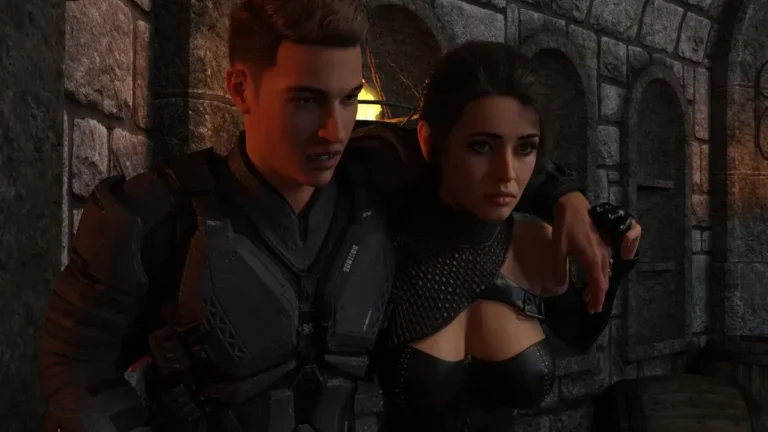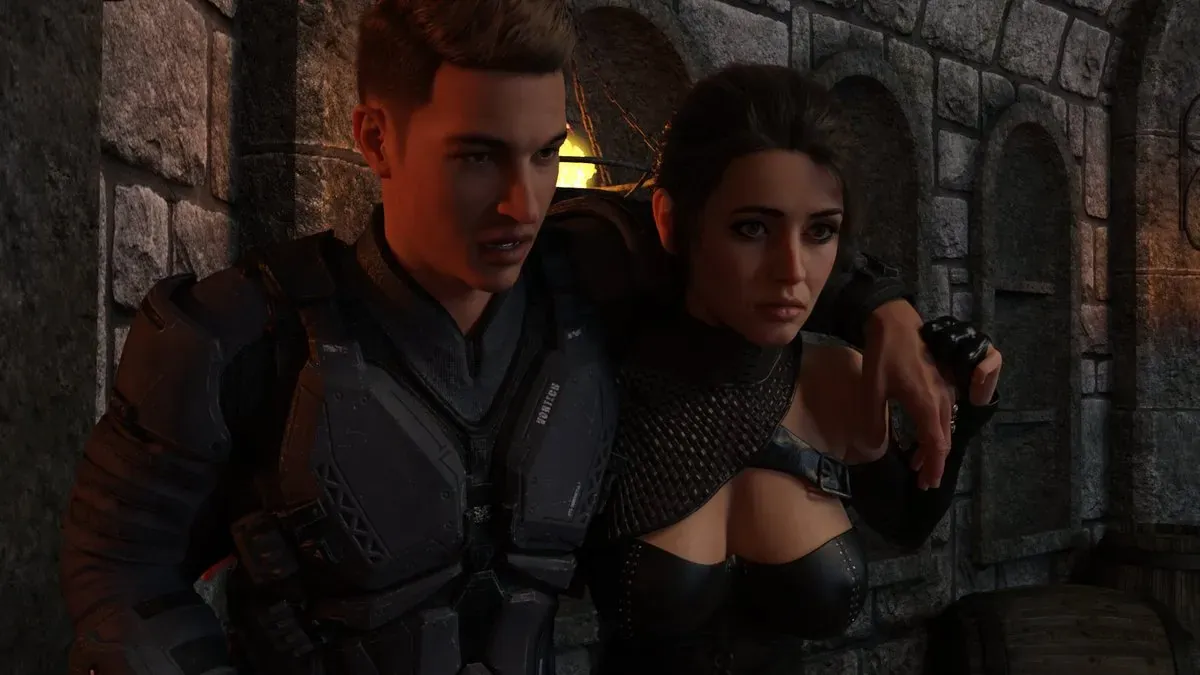
A Father’s Sins
Play A Father’s Sins
A Father’s Sins Screenshots
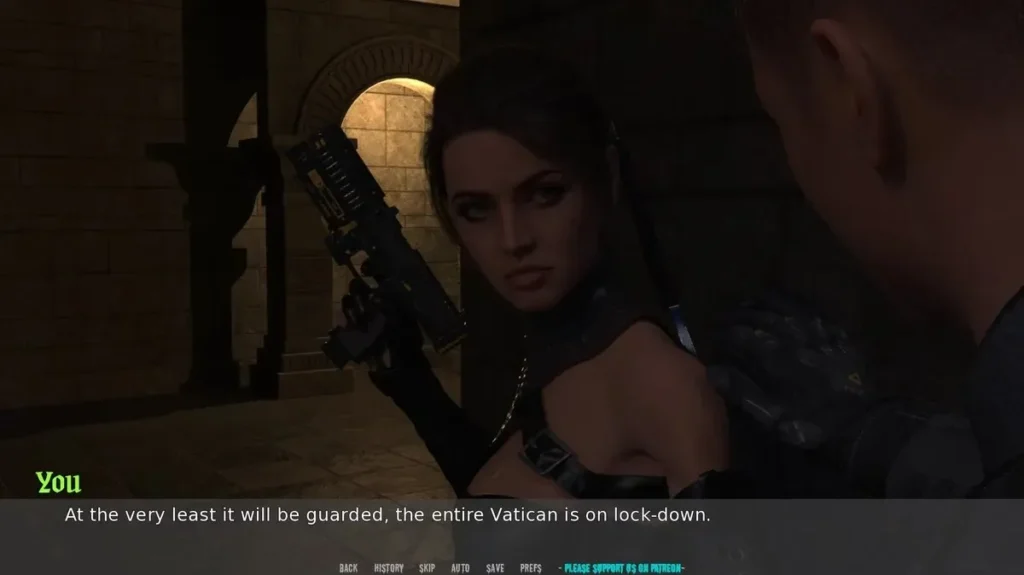
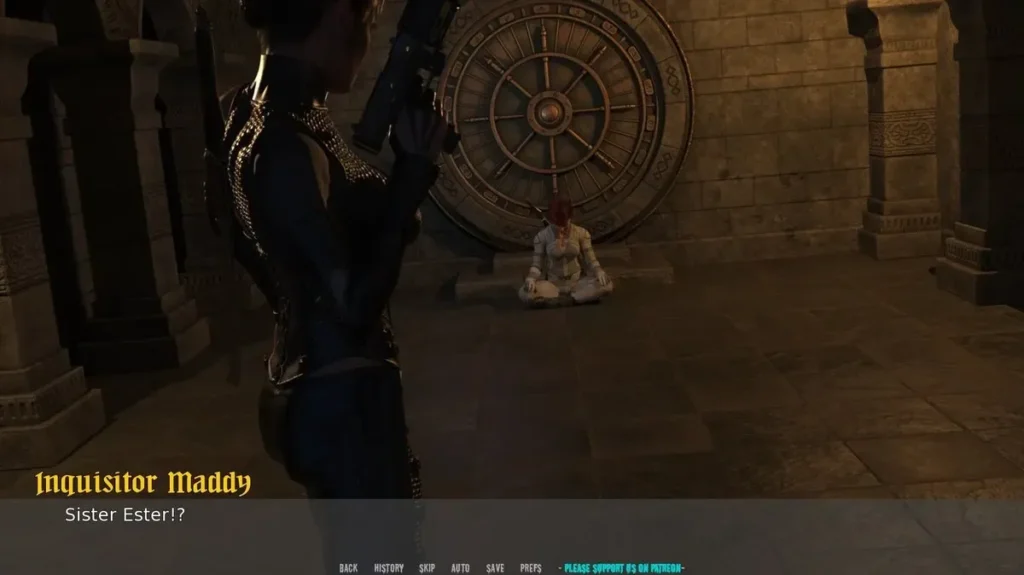
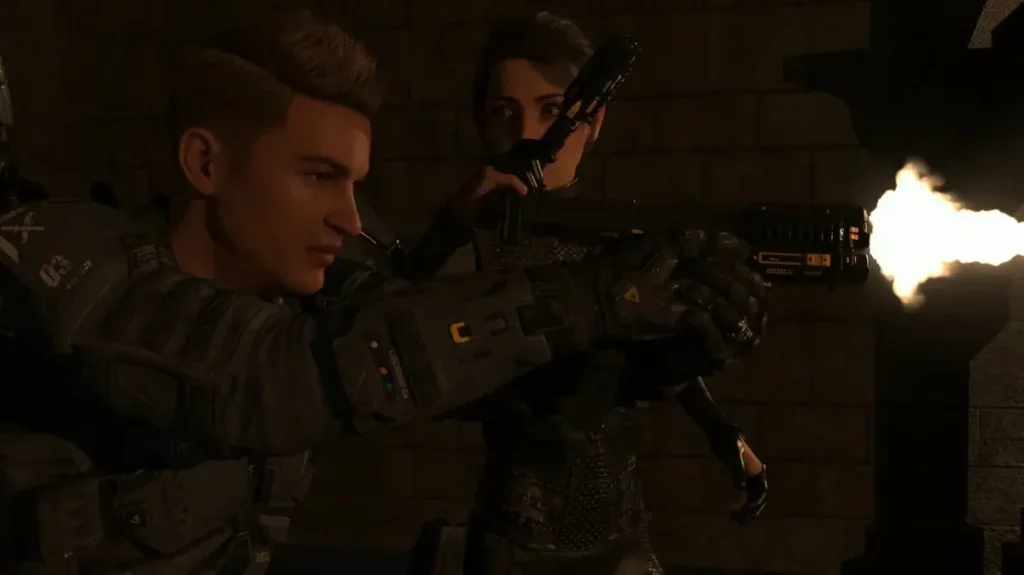
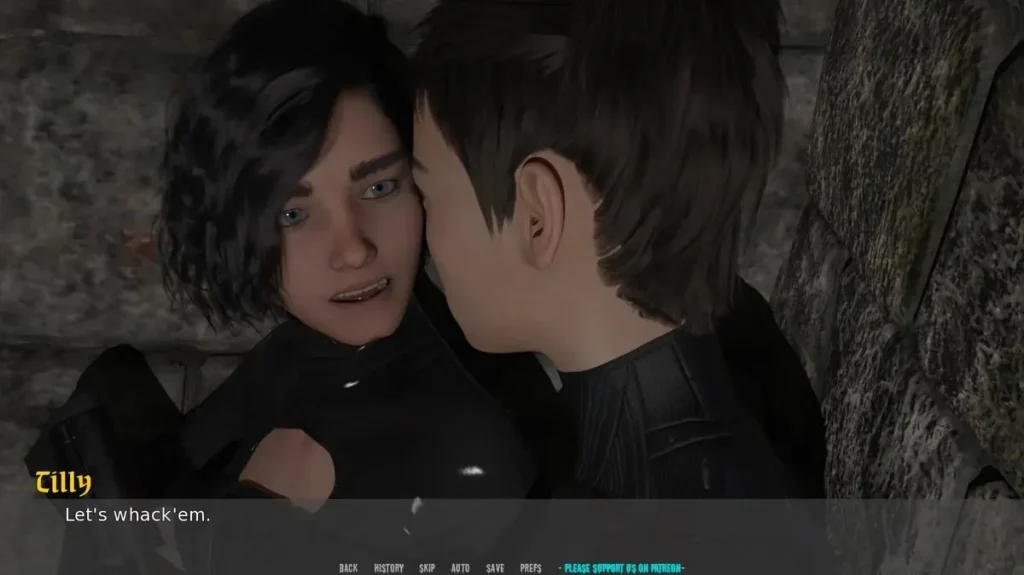
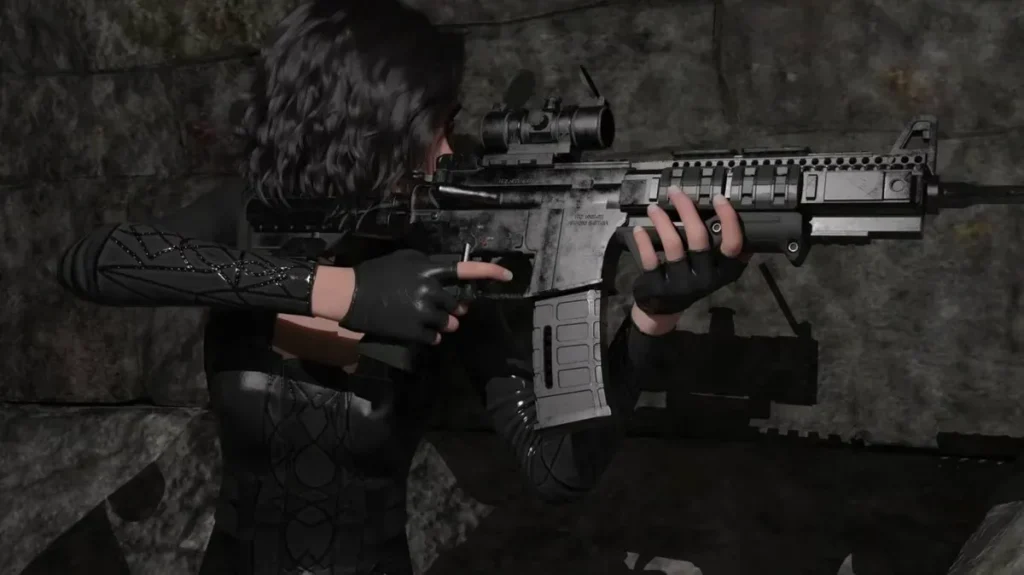
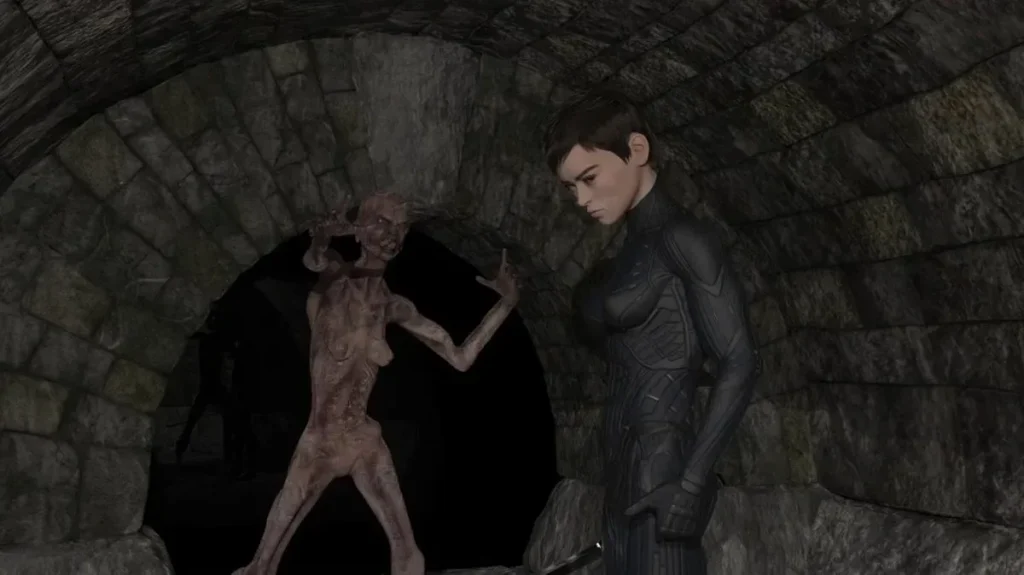


A Father’s Sins review
Master gameplay mechanics, character paths, and endings in this narrative-driven experience
A Father’s Sins stands out as a narrative-driven game that challenges players to navigate complex character relationships and moral choices. Unlike linear games, this title demands strategic decision-making where every interaction shapes your journey toward specific endings. Whether you’re pursuing romance paths, exploring character corruption mechanics, or hunting for the best outcomes, understanding the game’s point system and choice architecture is essential. This guide breaks down everything you need to know about A Father’s Sins gameplay, from basic mechanics to advanced strategies for unlocking all endings and maximizing character satisfaction.
Understanding A Father’s Sins Game Mechanics and Point Systems
So, you’ve started your journey in A Father’s Sins and maybe you’ve already hit a confusing roadblock or an ending that felt… unsatisfying. 😅 I’ve been there. The first time I played, I thought I was being a genuinely good guy, only to get an ending where my character was more lonely and disconnected than when he started. It was a wake-up call that this isn’t your typical visual novel where you just click the nicest-sounding option. 🎮
The entire emotional weight and narrative payoff of A Father’s Sins hinge on a brilliantly designed, yet initially opaque, system of game mechanics. Understanding these isn’t just for min-maxers; it’s the key to actually experiencing the stories you want to see. Think of it this way: you’re not just making choices, you’re managing an invisible economy of feelings and intentions that directly shapes every relationship and conclusion. This guide will crack that code wide open.
Let’s dive into the core systems that make this narrative-driven experience tick.
How the Dual-Path System Works: Corruption vs. Love Routes
Right from the outset, A Father’s Sins presents you with a fundamental philosophical choice that defines your entire playthrough: will you walk the Corruption Path or the Love Path? This isn’t just a flavor decision; it’s the game’s primary difficulty setting and narrative filter. 🧭
I like to think of it as choosing your protagonist’s primary motivation. The Corruption Path is often seen as the “easier” route. Here, your character is driven by more immediate, physical desires and opportunism. Choices that lead to quick, lewd scenes grant you Corruption Points. The path is more forgiving, with fewer abrupt “bad ends,” and it delivers its content promises faster. It’s a path of indulgence.
The Love Path, on the other hand, is the hard mode—and I mean that in the best way possible. 😤 This route is for players invested in long-term, genuine connection. You must resist instant gratification in favor of building deep, emotional trust. Your currency here is Trust Points, which are harder to earn and easy to miss. This path is fraught with risk; make the wrong choice or fail to accumulate enough trust, and you can lock yourself out of the best conclusions, ending up with nothing. The payoff, however, is the most narratively rich and emotionally satisfying conclusions in the game.
The crucial, make-or-break nuance is that your chosen path changes the value of every single decision you make. This is the heart of the A Father’s Sins game mechanics.
| Aspect | Corruption Path | Love Path |
|---|---|---|
| Core Focus | Immediate desire, physical intimacy, opportunism | Genuine connection, emotional trust, long-term bonding |
| Primary Currency | Corruption Points | Trust Points |
| Difficulty Level | Easier, more forgiving | Harder, high risk of failure |
| Key Risk | Fewer “bad ends,” more straightforward progression | Can miss endings entirely by lacking both Love & Trust |
| Ending Availability | Wider access to mid-tier endings | Exclusive access to the “best” character endings |
| Gameplay Mindset | Tactical, goal-oriented | Strategic, patient, relationship-focused |
This corruption path vs love path dichotomy means you must commit. Trying to ride the fence—taking a lewd choice on the Love Path, for instance—typically grants you nothing and wastes a precious opportunity to build trust. Your strategy must be consistent from the very first major choice.
Mastering the Point Economy: Trust, Corruption, and Lust Mechanics
Now, let’s get into the nuts and bolts: the point systems. This is where your strategic mind needs to engage. The game tracks several metrics, but three are paramount for determining outcomes: Trust, Corruption, and a hidden “Lust” score for specific characters. Think of them as separate bank accounts for different types of relationship capital. 💰
Your main resource on the Love Path is, unsurprisingly, Trust Points. These are earned by making choices that demonstrate patience, respect, emotional support, and a willingness to put the other person’s well-being ahead of immediate desire. They are the slow-burn currency.
On the Corruption Path, your engine runs on Corruption Points. These come from choices that prioritize physical attraction, risqué opportunities, manipulation, or using the situation for personal gain. The game is generously rewarding you for embracing this persona.
Here’s the fascinating twist that trips up most first-time players: The path you’re on changes what a “Love” choice gives you. This is the single most important piece of gameplay strategy tips I can give you.
🎯 Pro Tip: A “Love”-themed choice made while on the Corruption Path does not give you Corruption Points. Instead, it grants you Trust Points. Conversely, a “Corruption”-themed choice made while on the Love Path is usually a dead end—it grants neither Trust nor Corruption, stalling your progress.
Let’s make this concrete with an example. Imagine a scene where a character is feeling vulnerable and shares a personal secret.
-
Scenario: They finish talking, and you’re given two options:
- “Give them a comforting hug.” (A Love-type choice)
- “Use this knowledge to flirt teasingly.” (A Corruption-type choice)
-
If you are on the LOVE PATH: Choosing the hug 👍 earns you +Trust Points. Choosing to flirt 👎 earns you nothing—a wasted, potentially relationship-harming move.
-
If you are on the CORRUPTION PATH: Choosing the hug 👍 now earns you +Trust Points (not Corruption). Choosing to flirt 👎 earns you +Corruption Points.
See the difference? On the Corruption Path, you have a wider range of point-earning options, making it more flexible. On the Love Path, you must be disciplined and consistent. This intricate trust points system is what gives the game its remarkable depth and replayability. You’re not just picking what you want to do; you’re learning what each character needs to see from you on your chosen path.
Character-Specific Point Thresholds and Ending Conditions
Alright, you’ve been diligently accumulating your points. Now what? This is where the point threshold mechanics come into play, acting as the gatekeepers to every possible conclusion in your character endings guide. 🚪
Each major character has a hidden set of numerical thresholds for Trust and Corruption. Reaching or exceeding these thresholds by the game’s critical junctures is what unlocks their specific endings. It’s not enough to just have “some” points; you need enough of the right kind.
For the Love Path, the requirement is usually straightforward but stringent: you must meet a certain Trust Points threshold. Fail to do so, and you will not qualify for that character’s “best” ending. The brutal part? If you also failed to build a sufficient alternative connection (like accumulating Lust points as a fallback), you might simply get a generic “friend-zoned” or lonely ending. This is the “high risk” part of the path.
For the Corruption Path, endings are often gated by Corruption Points, but the thresholds are generally lower and more achievable. There are also more “middle-ground” endings available that don’t require maxing out your score. The path is designed to deliver its narrative payoffs with less precision required.
But wait, there’s another layer! Most characters also have a hidden Lust meter. This isn’t the same as Corruption. Lust represents a raw, physical attraction that can exist independently of your chosen path. On a Corruption route, high Lust might lead to a purely physical ending. On a Love route, some Lust might be necessary to transition a platonic trust into a romantic one, but too much can sabotage it! Finding this balance is the ultimate test of your game sense.
So, how to unlock best endings? Here’s your actionable checklist:
- Commit to a Path Early: Decide on corruption path vs love path in Chapter 1 and stick to it for consistency.
- Know Your Character’s “Language”: Pay attention to how characters react. Does a trusting choice make them open up or pull away? This clues you into what they value.
- Save Strategically: Before every major story branch, save your game. This allows you to explore consequences without losing hours of progress.
- Focus on One or Two Characters: On a first playthrough, spreading your points too thin is a surefire way to miss all thresholds. Prioritize the connection you care about most.
- When in Doubt, Choose Trust on the Love Path: If a choice seems ambiguous, the option that aligns with patience, honesty, and emotional support is almost always the one that grants Trust.
- Use a Walkthrough for Pivotal Moments: For your second or third playthrough, don’t be ashamed to check a guide for key hidden choices that massively impact points. The A Father’s Sins game mechanics are deep, and some triggers are easy to miss.
Mastering these A Father’s Sins game mechanics transforms the experience from one of confusion to one of profound agency. You move from reacting to the story to actively authoring it. Whether you seek the tempting shortcuts of the Corruption route or the challenging, heartfelt rewards of the Love route, understanding this trust points system and these point threshold mechanics is your map to every possible destiny in this compelling, narrative-driven world. Now go forth—your choices, and your endings, await. 🏆
A Father’s Sins delivers a sophisticated narrative experience where understanding the underlying mechanics transforms your gameplay. By mastering the distinction between Corruption and Love paths, learning how the point system rewards strategic choices, and recognizing character-specific interaction opportunities, you’ll unlock endings that match your desired experience. Whether you prefer the straightforward satisfaction of the Corruption path or the rewarding complexity of the Love path, this guide provides the framework to navigate every choice with confidence. Your next playthrough awaits—use these insights to explore new character relationships and discover endings you’ve never reached before.